
On Wednesday 1st May we’re delighted to welcome microbiologist Dr Michael Byford back to PubSci. Michael is one of our most popular regular speakers and this month he will talk about bacteriophages and their potential in combating antibacterial resistance.
[This talk was postponed last month due to unforeseen circumstances – apologies to anybody who was disappointed. We appreciate Michael filling the May PubSci slot.]
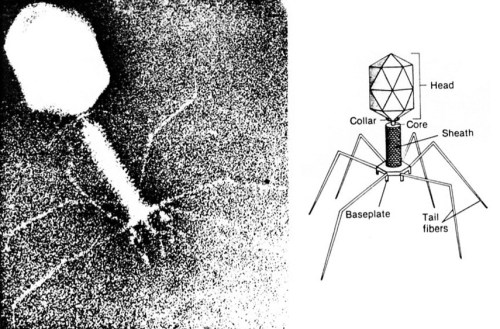
One of the earliest micrograph images of a bacteriophage alongside a diagram of its structure.
Bacteriophages (phages for short) are viruses that infect and kill bacteria. They are ubiquitous and the most abundant biological entities on Earth. They have major applications in basic research and offer hope in fighting bacterial infections in the face of the alarming rise in antibiotic resistance.
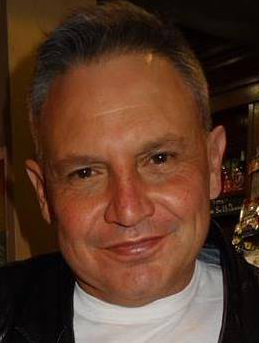
Dr Byford was until recently Senior Lecturer in biochemistry and microbiology at London South Bank University.
He previously worked at the University of Oxford for Professor, Sir Jack Baldwin FRS on antibiotic biosynthesis and for DEFRA on a number of research topics including mad cow disease.
He was Senior Research Fellow at the University of Washington, before returning to Southampton, where he gained his degrees, to incept their ongoing work into neuroblastoma, an aggressive paediatric cancer.
Michael currently teaches microbiology at the University of Portsmouth
Join us upstairs at the Old King’s Head, near London Bridge station. Doors open at 6.30pm for a 7pm start and as usual the event is free, but we will have a whip-round to cover speaker’s expenses.
Discover more from PubSci
Subscribe to get the latest posts sent to your email.
 PubSci
Pingback: November Blog: Final event of 2025 / New PubSci programme / PubSci at the IoP / Events / AMR takes centre stage / The Science Show podcast | PubSci
Pingback: January Blog: Happy New Year, a Fantastic New Season of Events, and a glance back at 2025. | PubSci