
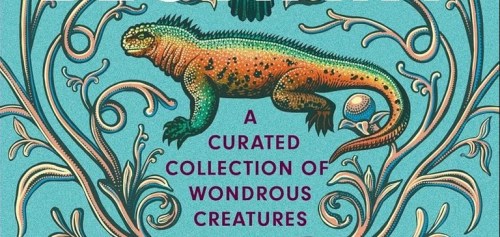
Meet some of the weirdest, wildest, most wondrous living creatures that share this amazing planet with us. Like a medieval bestiary but with less moralising and more wildlife. Also more butts, sex and grossness.
PubSci is a ‘pay-what-you-can’ event. Your contributions are what keeps it going. Please consider contributing via Eventbrite when booking.
For the fourth talk of our 2026 programme, PubSci is delighted to welcome Dr Joanna Bagniewska to offer a zoologist’s take on medieval bestiaries in “The Modern Bestiary” on Wednesday 15th April 2026.
Of beasts and biology…
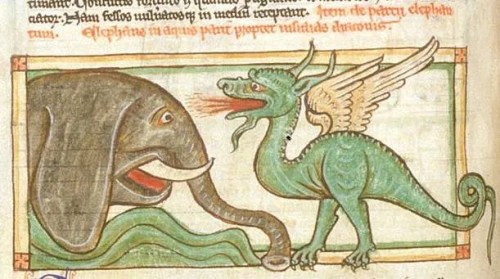
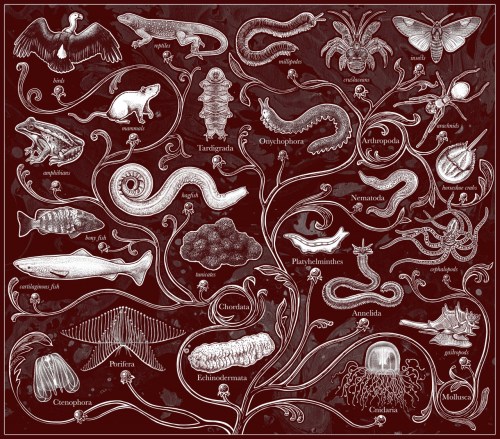
Medieval bestiaries contained creatures that ranged from slightly inaccurate to downright made-up, often to serve some moral or religious purpose. But the real world contains creatures every bit as weird, wonderful and fantastic as anything conjured by the fevered imaginations of ancient travellers or bored monks at their writing desks.
On Wednesday 15th April, PubSci invites you to join zoologist and storyteller Joanna Bagniewska at a talk about bestiaries and beasts, as she shares highlights from her book, The Modern Bestiary. It’s like a medieval bestiary, but with less moralising and more actual wildlife. Also more butts, sex and grossness. Now with added beer!
From the familiar to the improbable and the gross to the endearing, Joanna will introduce some of her favourite creatures, including pyromaniac beetles, the baddest mice in the West, and sea slugs that actually decapitate themselves!
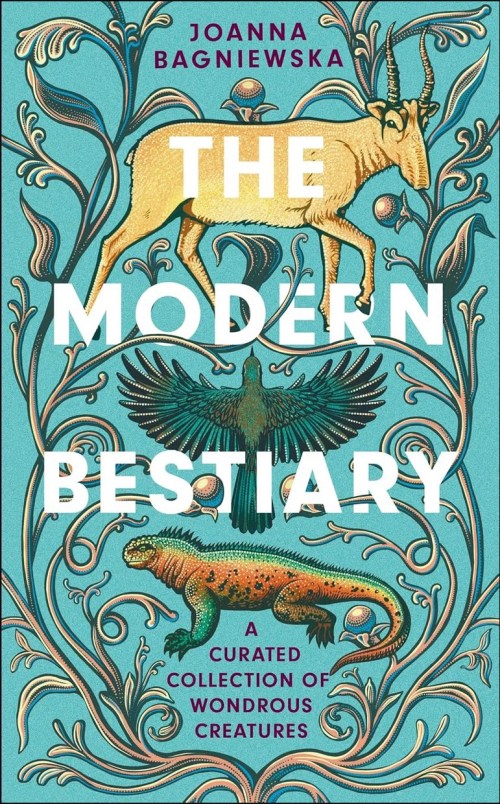
Arranged by elements (Earth, Water, Air), the book looks at well-known species from new angles alongside lesser-known creatures like mice that howl at the moon, cross-dressing cuttlefish, and marsupials that literally mate themselves to death.
Don’t miss this opportunity to discover that truth really is stranger than fiction when the world contains creatures so astonishing they make unicorns look rather commonplace.
Copies of The Modern Bestiary will be on sale in the break and after the talk.
• • •
How to Book Tickets
PubSci talks are pay-what-you-can: You can make a contribution when booking on Eventbrite. We have no other source of funding. There are two ticket options:
Book for one + Support PubSci (max 1 ticket) if you prefer to contribute when booking – this option also reserves you one spot at the event. You may need to scroll down to see this option on Eventbrite.
Book without donating (max 4 tickets) if you prefer to put cash in the pot on the night.
Doors open at 6.30 for a 7pm start. Talks generally run for ~45 minutes and are followed by a Q&A session. The Old King’s Head has a happy hour before 7pm, and the kitchen serves excellent pub grub. The nearest tube is London Bridge — full address below and on the booking page.
• • •
About the speaker
Zoologist and a science communicator, Joanna Bagniewska, is a departmental lecturer in environmental sciences at Oxford University’s Department for Continuing Education, where she leads the Postgraduate Certificate in Ecological Survey Techniques.

With a background in behavioural ecology and wildlife conservation, Joanna’s academic interests include conservation biology, behavioural ecology and citizen science. She has worked on species ranging from wombats and wallabies to mole-rats and jackals, and she co-runs the Oxfordshire Mammal Group
Outside academia, Joanna works as a popular science writer, presenter and communications coach.
She is passionate about science communication, having won the British Council’s FameLab Poland and the Wellcome-funded “I’m a Scientist, get me out of here!”, given a TEDx talk and performed at science stand-up comedy events.
Joanna is the author of The Modern Bestiary, co-author of The Communicating Scientist: A Practical Handbook, and a contributor to the children’s book Life: The Wild Wonders of Biodiversity. You can read more about Joanna at www.joannabagniewska.com.
The Modern Bestiary is published in the UK by Wildfire. Copies will be available to buy after the talk.
PubSci is delighted to welcome Joanna as our April speaker.
• • •
See the rest of our current programme
To make sure you don’t miss out on future events, subscribe to our Google Calendar to be the first to know when new talks are scheduled, and follow PubSci’s events on Eventbrite to be notified when tickets are available. You can also sign up to our own mailing list on any page on this site.
• • •
PubSci is entirely funded by audience contributions and has no other income.
As a Pay-What-You-Can event, we don’t charge a fixed price for our talks, so anybody who wants to come can come. Think of it as “Free, with a donation”, which can be made when registering on Eventbrite or by putting a few pounds in the beer mug which is passed round on the night. You can also contribute digitally through our TipJar. Please help PubSci continue putting on events.
We aim to keep PubSci accessible for all, although it is unsuitable for under 18s as we meet in the function room of a pub. Regrettably, there is no wheelchair access.
Check out the Future Events page where you can also subscribe to our Google Calendar so PubSci events automatically appear in your own Calendar. You can find all our links on our LinkTree.
• • •
PubSci is organised and hosted by science communicator, Richard Marshall, assisted by Mike Lucibella. It usually takes place on the third Wednesday of the month, upstairs at the Old King’s Head near London Bridge Underground (Borough High Street east side exit). Join us every month except December for your regular helping of Sipping, Supping & Science.

Address:
The Old King’s Head (upstairs room)
King’s Head Yard
45-49 Borough High Street
London SE1 1NA
 PubSci