
Discover why Charles Darwin was fascinated with orchids and carnivorous plants, marvelling at their ability to imitate, deceive and entrap.
PubSci is a ‘pay-what-you-can’ event. Your contributions are what keeps it going. Please consider contributing via Eventbrite when booking.
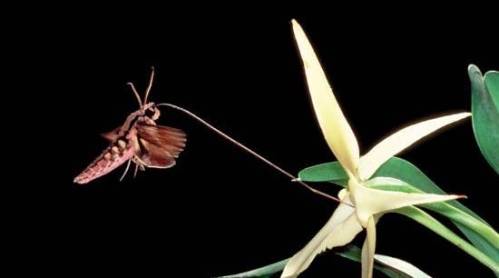
On Wednesday 21st October PubSci is delighted to welcome Sheila Poole to help us explore Charles Darwin’s intense fascination with deception and carnivory in plants.
In 1903, 21 years after Darwin’s death, a moth was found in Madagascar with a tongue five times the length of its body. Incredibly, Darwin had predicted the existence of this unlikely moth 41 years earlier in his ‘Orchid Book‘.
After finally publishing On the Origin of Species in 1859, Charles Darwin had intended to complete work on his “big book on species theory” but he kept getting distracted by the orchids people sent him and he effectively became obsessed with these plants. He even wrote a letter to a benefactor, politely begging her to stop sending him new specimens:
‘I am convinced that orchids have a wicked power of witchcraft, for I ought all these months to be working at the dry old bones of poultry, pigeons, and rabbits instead of intensely admiring beautiful orchids.’
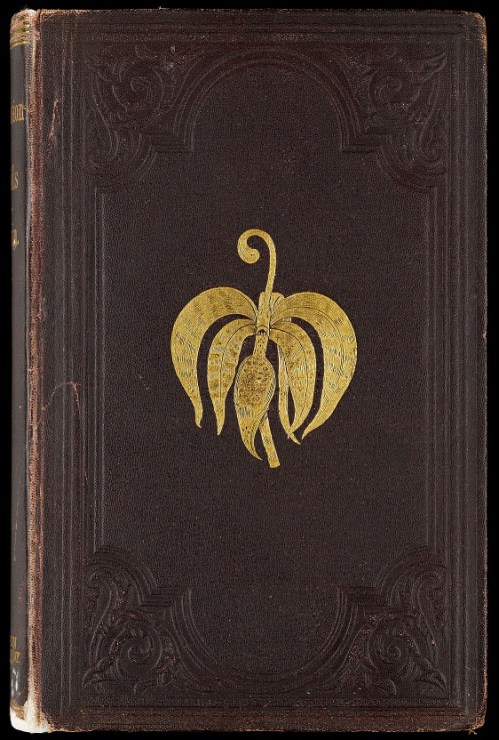
But only two years after getting orchids out of his system by publishing On the Various Contrivances by Which British and Foreign Orchids Are Fertilised by Insects, and on the Good Effects of Intercrossing, Darwin’s other botanical obsession also made its way into book form in Insectivorous Plants. With their ability to bend, trap and digest, Darwin even wondered if they were in fact animals, declaring,
‘I care more for Drosera [the insect-eating sundew] than the origin of species … it is a wonderful plant, or rather a most sagacious animal. I will stick up for Drosera to the day of my death.’
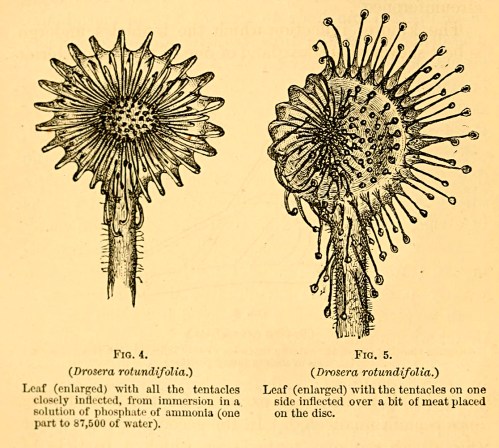
On Wednesday 21st October, PubSci is delighted to welcome Sheila Poole from the Gardens outreach team at Down House, Charles Darwin’s home in Kent to share the great man’s fascination with these two botanical wonders, talk us through his experiments, and reveal how Darwin was proved right again after 150 years.
Don’t miss this chance to join PubSci and Sheila Poole at the Old King’s Head to discover Darwin’s great botanical obsession with Beauty, Deception, Sex and Death.
The venue is PubSci’s regular home, The Old King’s Head near Borough Market, which offers a great range of drinks, has a happy hour before 7pm, and opens the kitchen serving classic pub grub especially for us.
Doors open at 6.30 for a 7pm start. Talks run for ~45 minutes and are followed by a Q&A session. The nearest tube is London Bridge — full address below and on the booking page.
How to Book Tickets
PubSci talks are pay-what-you-can: You can make a contribution when booking on Eventbrite. We have no other source of funding. There are two ticket options:
Book for one + Support PubSci (max 1 ticket) if you prefer to contribute when booking – this option also reserves you one spot at the event. You may need to scroll down to see this option on Eventbrite.
Book without donating (max 4 tickets) if you prefer to put cash in the pot on the night.
If Book without donating is sold out, scroll to check Book for one + Support PubSci
• • •
About our speaker
Sheila Poole is a retired medical writer with a fascination for Charles Darwin and his time experimenting at Down House in Kent.
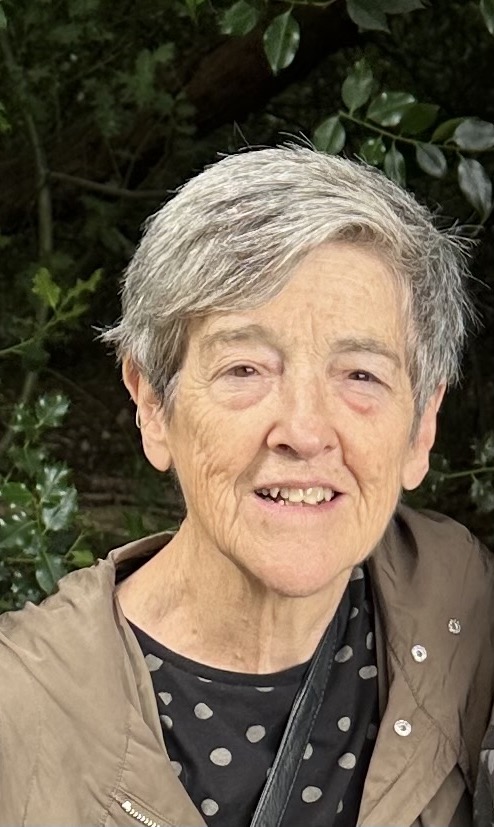
She has a degree in Zoology, worked in the pharmaceutical industry developing drugs to treat anxiety disorders, and spent much of her professional career in biomedical communications, writing, editing, and translating biomedical reports for organisations such as Ciba-Geigy and the World Health Organisation.
Since 2018 Sheila has been an English Heritage outreach volunteer at Charles Darwin’s long term home, Down House near Bromley in Kent. Working with the garden team, Sheila explains Darwin’s research at Down House to visitors, gives garden tours and tends greenhouse plants under the Head Gardener.
PubSci is delighted to welcome Sheila as our speaker for October 2026.
• • •
See the rest of our current programme
To make sure you don’t miss out on future events, subscribe to our Google Calendar to be the first to know when new talks are scheduled, and follow PubSci’s events on Eventbrite to be notified when tickets are available. You can also sign up to our own mailing list on any page on this site.
• • •
PubSci is entirely funded by audience contributions and has no other income.
As a Pay-What-You-Can event, we don’t charge a fixed price for our talks, so anybody who wants to come can come. Think of it as “Free, with a donation”, which can be made when registering on Eventbrite or by putting a few pounds in the beer mug which is passed round on the night. You can also contribute digitally through our TipJar. Please help PubSci continue putting on events.
We aim to keep PubSci accessible for all, although it is unsuitable for under 18s as we meet in the function room of a pub. Regrettably, there is no wheelchair access.
Check out the Future Events page where you can also subscribe to our Google Calendar so PubSci events automatically appear in your own Calendar. You can find all our links on our LinkTree.
• • •
PubSci is organised and hosted by science communicator, Richard Marshall, assisted by Mike Lucibella. It usually takes place on the third Wednesday of the month, upstairs at the Old King’s Head near London Bridge Underground (Borough High Street east side exit).
Join us every month except December for your regular helping of Sipping, Supping & Science.

Address:
The Old King’s Head (upstairs room)
King’s Head Yard
45-49 Borough High Street
London SE1 1NA

