Category Archives: History

How the Universe is Trying to Kill Us (and how we can stop it) | PubSci Wednesday 18th June 2025

Is humanity as doomed as the dinosaurs… or can we do something about our fate?

A dinosaur looks over the sea at sunset as a giant fireball flies past
Chicxulub Impact Event (Artist’s Impression) | Credit: Solater/DeviantArt

On Wednesday 18th June, PubSci is delighted to welcome Astrophysicist and Satellite Engineer Dr Stuart Eves back to The Old King’s Head to consider whether human life is doomed like the dinosaurs, and what we might do to prevent it. Having dazzled us with a tour of the solar system in 2023, Stuart is returning by popular demand to explore how our place in the Milky Way galaxy might be linked a the pattern of global mass extinctions on Earth.

Of the five known mass extinctions in Earth’s geological record, each is associated with a different trigger event, so why do they seem to occur with almost clockwork regularity? The most recent one ended the reign of dinosaurs, ultimately giving rise to humans, but now planet Earth is overdue for the next Big One – so what will it be and how might we prevent impending disaster?

With just a few tickets remaining, book your place now, or read on to learn more.

On June 30, 1908, an asteroid plunged into Earth’s atmosphere and exploded in the skies over Siberia. Eyewitnesses in the sparsely populated region reported seeing a fireball trailing smoke, then a flash brighter than the Sun, followed by a loud noise like thunder. Those closest to the event reported being blown into the air and knocked unconscious, and their dwellings damaged or destroyed. They also reported massive forest fires, with trees blown over for miles. When a scientific expedition finally reached the area in 1927 they encountered a butterfly-shaped area of destruction covering 830 square miles. An estimated 80 million trees were flattened and near the epicentre, trees remained standing but stripped of bark and branches, with clear evidence of burning.
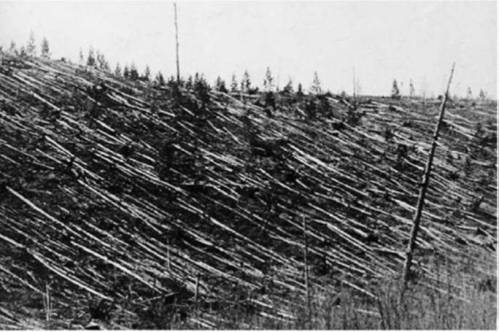
Old photo of a hillside covered in flattened trees
In 1908 an asteroid exploded 6 miles above Siberia, burning and flattening 80 million trees.

The Tunguska Event, as it is known, involved a bolide (a bright meteorite or asteroid in Earth’s atmosphere) just 40 metres across. The asteroid that ended the era of giant dinosaurs was over 10,000 metres in diameter. So, did we get lucky in 1908, or is The Big One yet to come?

Will it be curtains for humanity? Is our species ‘Doomed’– or is there something we could do to prevent the universe wiping us out? Could it be stargazers who end up saving human civilisation from going the way of the dinosaurs?

Come to PubSci on Wednesday 18th June to discover what’s going on out there, and learn how astronomers are preparing to warn us of potential catastrophes. Hold on to your hats, this is a cosmic rollercoaster ride you won’t want to miss.

Book your place now, or read on to read about this month’s speaker. Full details and booking on Eventbrite.

A bright meteor streaks across the nighttime sky over a river
Fireball over Chelyabinsk, Russia, in 2013 (Courtesy of The Planetary Society)

Join us upstairs at the Old King’s Head on Wednesday 21st May. Places for this talk are limited and selling fast, so book now!

• • •

PubSci talks are pay-what-you-can – you can make a contribution when booking on Eventbrite or as a cash contribution on the night. Join us for another round of Sipping, Supping Science… in the pub.

• • •

About the speaker

A man in a blue shirt and grey tie
Dr Stuart Eves

Dr Stuart Eves has more than 30 years of experience in satellite systems. He has an MSc in Astrophysics and a PhD in satellite constellation design and is a Fellow of both the Royal Astronomical Society and the British Interplanetary Society. 

Following 14 years with Surrey Satellite Technology, Stuart founded his own space consultancy in 2018. His satellite technology has been displayed in the Science Museum and he serves on the Advisory Panel for the ESA’s Space Safety Programme. Stuart is a founder of the GNOSIS network on sustainability in space and his book “Space Traffic Control” is the manual for protecting satellites from natural hazards and man-made threats.

Stuart is passionate about sharing his love of space, and his outreach work has been recognised with the Arthur Clarke Award.

PubSci is delighted to welcome Stuart as the sixth speaker in our 2025 programme of Sipping, Supping & Science.
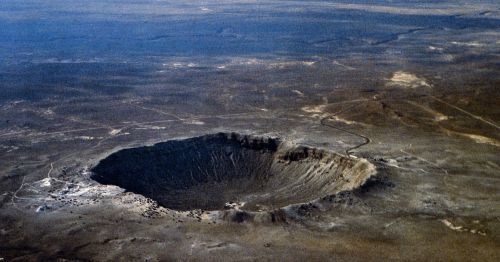
A giant impact crater on Earth
50,000 year-old Barringer Crater in Arizona, USA | Public Domain (D. Roddy / USGS)

• • •

Keep Up With Future Events

To make sure you don’t miss out on future events, subscribe to our Google Calendar to be the first to know when new talks are scheduled, and follow PubSci’s events on Eventbrite to be notified when tickets are available. You can also sign up to our own mailing list on any page on this site.

Posted by Richard Marshall, PubSci organiser and host.

PubSci: Sipping • Supping • Science

• • •

About PubSci talks

PubSci is organised and hosted by science communicator, Richard Marshall, assisted by Mike LucibellaEvents are held upstairs at the Old King’s Head, near London Bridge tube. No specialist knowledge is required, just curiosity. Doors open at 6.30pm for a 7pm start. Talks run for ~45 minutes and are followed by a Q&A session. The Old King’s Head has a happy hour before 7pm, and the kitchen serves excellent pub grub.

• • •

Support PubSci

There is no charge for attending PubSci talks, but we have a cash whip-round to cover expenses on the night – consider it “Pay What You Can Afford”. As few of us carry cash these days, you can make a donation when registering for ticketed events with Eventbrite. Please help us continue putting on events. PubSci has no other source of funding.

We aim to keep PubSci accessible for all, although it is unsuitable for under 18s as we meet in the function room of  a pub. Regrettably, there is no wheelchair access. 

You can find all our links on our LinkTree.

• • •

We generally hold events on the third Wednesday of the month, upstairs at the Old King’s Head near London Bridge Underground (Borough High Street east side exit). Join us every month apart from December for a regular dose of Sipping, Supping & Science.

The evolution of humans from sitting in a chair to talking about science in a pub (after Darwin)

Address:

The Old King’s Head (upstairs room)
King’s Head Yard
45-49 Borough High Street
London SE1 1NA

200 Years of Live Science Demos: Science Goes Pop! | Michael Cutts | Weds 21st May 2025

The Royal Institution’s Michael Cutts demonstrates why science-curious audiences have flocked to London’s Piccadilly for 200 years, and brings the magic of live science into the Old King’s Head.

Science goes Bang! Royal Institution Christmas Lectures 2024 (Photo: Paul Wilkinson)

On Wednesday 21st May, PubSci is excited to welcome Michael Cutts from the renowned science demonstration team at the Royal Institution of Great Britain, famous for the televised Christmas Lectures and Monthly Discourses that broke some of the biggest science news live.

Michael has designed, built, and showcased science demos at the Ri and around the world. In this special presentation he’ll take us through the Ri’s history of demonstrating science to audiences and the importance of showing as well as telling. And to make the point, Michael is bringing some safe yet hugely impressive demonstrations to do live at the Old King’s Head.

Very few tickets remain. Book now, or read on to learn moreBook your tickets on Eventbrite.

Have you ever wondered who invented the electric motor? How the greenhouse effect was experimentally proved? Where both photography and the discovery of electrons were announced to the world?

It may surprise you to learn all this (and much, much more) happened just off London’s Piccadilly.

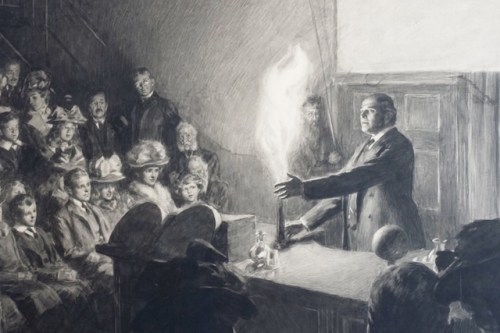
A man demonstrating static electricity in a theatre
Sir Lawrence Bragg’s 1961 Ri Christmas Lectures (Cuneo). © The Royal Institution

The Royal Institution of Great Britain – sometimes known by its chemical symbol, Ri – has been considered The Home of Science since 1799 and is famous for the live theatre demonstrations which bring science to life. According to a contemporary writer, Michael Faraday’s 1848 Christmas Lecture series on candles “contained more of romance than all the operas, plays and books I was allowed to see…”

For May’s PubSci we bring the romance and wonder of live science to The Old King’s Head in London’s historic Liberty of Southwark, famous in Elizabethan times for rowdy theatres, bear pits and the forbidden allure of the “Winchester Geese”. But have no fear, this entertainment involves no animal cruelty or loose morals. Instead, PubSci is delighted to present a special evening celebrating the scientific discoveries and demonstrations in 200 years of Ri Discourses and Christmas Lectures. Don’t forget, we won’t only be talking about science, we’ll be treated to several live demos, safe and suitable for a pub!

Join us upstairs at the Old King’s Head on Wednesday 21st May. Places for this talk are limited and selling fast, so book now!

A Man in a frock coat holding his hand near a flame
Robert Stawell-Ball lecturing at the Royal Institution around 1900. Photo © the Royal Institution.

• • •

PubSci talks are pay-what-you-can – you can make a contribution when booking on Eventbrite or as a cash contribution on the night. Join us for another round of Sipping, Supping Science… in the pub.

• • •

About the speaker

A man with his arms folded
Michael Cutts (Photo: Paul Wilkinson)

Michel Cutts is the Royal Institution’s Content Producer for Heritage and Demos. He researches the unparalleled scientific history of the Ri while designing and creating demos for stage, TV, and presentation in the Ri’s world-famous Faraday Theatre.

Michael studied ecology at the University of East Anglia before working with the Mauritian Wildlife Foundation on their pink pigeon conservation project. He then started a master’s in taxonomy and biodiversity at Imperial College and the Natural History Museum, analysing mathematically mammalian routes to extinction.

PubSci is delighted to welcome back Michael as the fifth speaker in PubSci’s 2025 programme.

A man blowing up a pumpkin
Smashing Pumpkins! Photo: Harry Harper

• • •

Keep Up With Future Events

To make sure you don’t miss out on future events, subscribe to our Google Calendar to be the first to know when new talks are scheduled, and follow PubSci’s events on Eventbrite to be notified when tickets are available. You can also sign up to our own mailing list on any page on this site.

Posted by Richard Marshall, PubSci organiser and host.

PubSci: Sipping • Supping • Science

• • •

Professor Alice Roberts Presenting the 2018 Ri Christmas Lectures
The Ri Theatre Today. (Photo: Paul Clarke)

• • •

About PubSci talks

PubSci is organised and hosted by science communicator, Richard Marshall, assisted by Mike LucibellaEvents are held upstairs at the Old King’s Head, near London Bridge tube. No specialist knowledge is required, just curiosity. Doors open at 6.30pm for a 7pm start. Talks run for ~45 minutes and are followed by a Q&A session. The Old King’s Head has a happy hour before 7pm, and the kitchen serves excellent pub grub.

Support PubSci

There is no charge for attending PubSci talks, but we have a cash whip-round to cover expenses on the night – consider it “Pay What You Can Afford”. As few of us carry cash these days, you can make a donation when registering for ticketed events with Eventbrite. Please help us continue putting on events. PubSci has no other source of funding.

We aim to keep PubSci accessible for all, although it is unsuitable for under 18s as we meet in the function room of  a pub. Regrettably, there is no wheelchair access. 

You can find all our links on our LinkTree.

• • •

We generally hold events on the third Wednesday of the month, upstairs at the Old King’s Head near London Bridge Underground (Borough High Street east side exit). Join us every month apart from December for a regular dose of Sipping, Supping & Science.

The evolution of humans from sitting in a chair to talking about science in a pub (after Darwin)

Address:

The Old King’s Head (upstairs room)
King’s Head Yard
45-49 Borough High Street
London SE1 1NA

Books, Bards, Brilliant Demos and a Blast Off!

In this edition of the PubSci blog: Looking back over April, something to do this weekend, details of May’s PubSci, and something to do at the end of the month.

Spring has sprung, the grass is ris’ – and last month I began our interstitial blog post with the words: “The sun is out, the trees are in blossom, and the PubSci blog is bursting with wonderful things to do…”

I can reuse that for today’s today’s post, although the warmest Mayday on record is of course a cause for concern within the context of shifting climate patterns and rising global average temperature.

On a lighter note, if you came to the Ig Nobel Awards tour on Sunday 6th April you might have seen me dressed as a banana for reasons that made sense at the time but are now difficult to explain. Blame the Annals of Improbable Research. Photos exist but have been hidden to protect the innocent.

A woman and two men

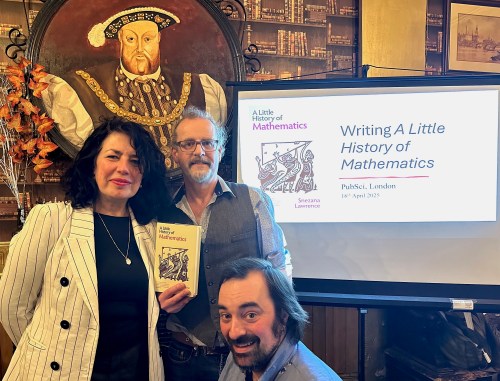
April’s speaker, Snezana Lawrence (https://x.com/mathshistory) with PubSci Hosts Richard and Mike

We had a wonderful evening in the company of Snezana Lawrence at April’s PubSci, hearing about the writing process and contents of her beautifully illustrated new book A Little History of Mathematics. It was great to see so many new faces among the regulars and the Q&A was really engaged.

William Shakespeare

The Royal Institution gets a double mention in this month’s post, firstly because I’m event managing a brilliant talk there this coming Saturday 3rd May. In the Mathematical Life of Shakespeare, award-winning author Rob Eastaway (Why Do Buses Always Come in Threes?) explores the surprising ways that maths and numbers crop up in Shakespeare’s plays. With historical asides about games, optics, astronomy, music and magic, you’ll never think about maths or Shakespeare the same way again. Suitable for adults and anyone aged 8 and above.

If you stay for the evening event, I’ll also be hosting How Physics Connects Our Universe when theoretical physicist Chris White presents a new hypothesis linking quantum mechanics and general relativity.

But enough about them, what about us…?

Next PubSci: Wednesday 16th April | Science Goes Pop!

From Faraday to Van Tulleken, The Royal Institution of Great Britain – known by its chemical symbol, Ri – has been The Home of Science since 1799 and is famous for its public demonstrations which bring science to life. On Wednesday 21st May we bring the wow of live science to The Old King’s Head for a special event celebrating 200 years of Ri monthly Discourses and annual Christmas Lectures.

Royal Institution Christmas Lectures 2024 (Photo: Paul Wilkinson)

Michael Cutts from the Ri’s renowned demonstration team has designed, built, and showcased science demos at the Ri and around the world. He’ll take us through the history of live science and the importance of showing as well as telling. There may even be a few live demos suitable for a pub setting.

Doors 6.30 for 7pm start. Book your place on Eventbrite ASAP – tickets are going fast. As usual, you can make a contribution to PubSci’s costs via Eventbrite (minimum £1) or in cash on the night. Help PubSci keep science live. Hope to see you there!

• • •

Finally, last weekend I went to Moonwalkers at Lightroom in Kings Cross, and I can’t recommend it enough. I paid full price (£29.50) which feels rather steep, but you can book through TimeOut for £19 if you plan your visit better than we did.

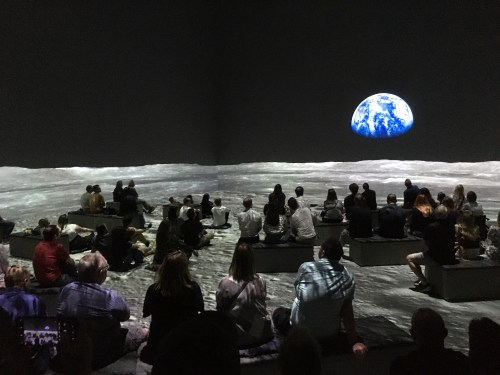
People watching an immersive projection of the moon

Blending archive footage and stills with brilliant graphics and a powerful soundtrack, Moonwalkers tells the story of the Apollo moon landings and looks forward to NASA’s Artemis mission planned for November 2025. It’s movingly narrated by Tom Hanks, who was involved in every stage of its making and shares his personal passion for spaceflight that began with watching Apollo 11 land on the moon in 1969. Highly recommended.

Moonwalkers plays in rotation with other events at Lightroom, next showing over the last week in May.

• • •

Keep Up With Future Events

Dd you know PubSci has an online calendar where you can view future events?

Event titles and dates go in the calendar several months in advance, along with a brief outline of the talk. If you subscribe to our calendar, PubSci events will automatically appear in your own calendar.

We also publish a programme of PubSci events three times a year which you can view online or download for printing. The latest edition has just been uploaded. Why not print it out and put a copy on your work fridge for everyone to see!

Posted by Richard Marshall, PubSci organiser and host.

PubSci: Sipping • Supping • Science

• • •

The evolution of humans from sitting in a chair to talking about science in a pub (after Darwin)

• • •

About PubSci talks

PubSci meets upstairs at the Old King’s Head, near London Bridge tube. No specialist knowledge is required, just curiosity. Doors open at 6.30pm for a 7pm start. Talks run for ~45 minutes and are followed by a Q&A session. The Old King’s Head has a happy hour before 7pm, and the kitchen serves excellent pub grub.

We use Eventbrite booking to manage numbers. Follow us on Eventbrite to be notified when new tickets become available.

Support PubSci

There is no charge for attending PubSci talks, but we have a cash whip-round to cover expenses on the night – consider it “Pay What You Can Afford”. As few of us carry cash these days, you can make a donation when registering for ticketed events with Eventbrite. Please help us continue putting on events. PubSci has no other source of funding.

We aim to keep PubSci accessible for all, although it is unsuitable for under 18s as we meet in the function room of  a pub. Regrettably, there is no wheelchair access. 

You can find all our links on our LinkTree.

• • •

We meet on the third Wednesday of the month, upstairs at the Old King’s Head near London Bridge Underground (Borough High Street east side exit). Join us every month apart from December for a regular dose of Sipping, Supping & Science.

Address:

The Old King’s Head (upstairs room)
King’s Head Yard
45-49 Borough High Street
London SE1 1NA

‘A little History of Mathematics’ with author Snezana Lawrence | 16th April 2025 [SOLD OUT]

Snezana Lawrence, takes us on a fascinating journey through the lesser-known histories of maths.

An illustration of ancient geometers and details of the book

On Wednesday 16th April, PubSci is delighted to welcome author and historian of mathematics, Dr. Snezana Lawrence, to examine why mathematics is so fundamental to our daily lives and explore just where it comes from.

Book now, or read on to learn more. Full details and booking on Eventbrite. [Update: This incredibly popular event is sold out. Please join the waiting list if you wish to attend in case of late cancellations. You can also follow PubSci on Eventbrite to be automatically notified of new events.]

Science, computing, economics – all of modern life relies on some kind of maths – but how old is maths? Where do numbers come from? And how did maths help our distant ancestors understand the world?

Snezana Lawrence addresses these questions and more in her wonderful new book, A Little History of Mathematics, which traces the fascinating history of mathematics from ancient Egyptians and the Babylonian empire to Renaissance masters and the enigma codebreakers.

Expect to hear about ancient Chinese Mathematical Art, Baghdad’s House of Wisdom, and geometrical theorems at Japanese shrines. Going beyond familiar names we learnt at school, she’ll reveal the prominent role female mathematicians played in the history of maths – a contribution that has too often been overlooked.

Copies of A Little History of Mathematics will be available to buy at the event.

Join us upstairs at the Old King’s Head on Wednesday 16th April. Places for this talk are limited and selling fast, so book now!

• • •

PubSci talks are pay-what-you-can – you can make a contribution when booking on Eventbrite or as a cash contribution on the night. Join us for another round of Sipping, Supping Science… in the pub.

• • •

About the speaker

Historian of maths and senior lecturer, Snezana Lawrence

Dr Snezana Lawrence FIMA is a historian of mathematics and senior lecturer in Mathematics and Design Engineering at Middlesex University.

She is passionate about inspiring young interest in her subject, helped reform the national curriculum for maths in 2013, and was the chair of the History and Pedagogy of Mathematics International Study Group between 2020 and 2024.

A Little History of Mathematics, her fourth book, is published by Yale University Press on 8th April as part of their celebrated Little Histories series. It receives its worldwide launch at Oxford Literary Festival on 4th April and her PubSci talk represents the book’s London launch following publication.

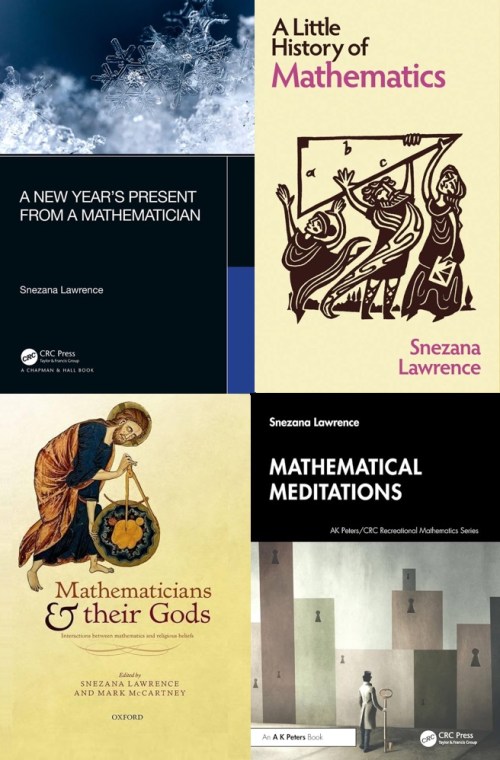
Snezana is a Fellow of the Institute of Mathematics and its Applications and is on X as @mathshistory. Learn about Snezana’s other books in the forthcoming PubSci blog post.

PubSci is delighted to welcome back Snezana as the fourth speaker in PubSci’s 2025 programme.

Four book covers

• • •

Keep Up With Future Events

To make sure you don’t miss out on future events, subscribe to our Google Calendar to be the first to know when new talks are scheduled, and follow PubSci’s events on Eventbrite to be notified when tickets are available. You can also sign up to our own mailing list on any page on this site.

Posted by Richard Marshall, PubSci organiser and host.

PubSci: Sipping • Supping • Science

• • •

The evolution of humans from sitting in a chair to talking about science in a pub (after Darwin)

• • •

About PubSci talks

PubSci is organised and hosted by science communicator, Richard Marshall, assisted by Mike LucibellaEvents are held upstairs at the Old King’s Head, near London Bridge tube. No specialist knowledge is required, just curiosity. Doors open at 6.30pm for a 7pm start. Talks run for ~45 minutes and are followed by a Q&A session. The Old King’s Head has a happy hour before 7pm, and the kitchen serves excellent pub grub.

Support PubSci

There is no charge for attending PubSci talks, but we have a cash whip-round to cover expenses on the night – consider it “Pay What You Can Afford”. As few of us carry cash these days, you can make a donation when registering for ticketed events with Eventbrite. Please help us continue putting on events. PubSci has no other source of funding.

We aim to keep PubSci accessible for all, although it is unsuitable for under 18s as we meet in the function room of  a pub. Regrettably, there is no wheelchair access. 

You can find all our links on our LinkTree.

• • •

We generally hold events on the third Wednesday of the month, upstairs at the Old King’s Head near London Bridge Underground (Borough High Street east side exit). Join us every month apart from December for a regular dose of Sipping, Supping & Science.

Address:

The Old King’s Head (upstairs room)
King’s Head Yard
45-49 Borough High Street
London SE1 1NA
Weekend update: Ig Nobel awards tour, April’s PubSci, and an exhibition on the science of music

A Greek philosopher on his back with his feet in the air

The Ig Nobels honour research that makes you laugh… then think

The sun is out, the trees are in blossom, and the PubSci blog is bursting with wonderful things to do, starting with a fabulous event this coming Sunday evening (6th April).

One of my greatest delights in freshers week (usual activities notwithstanding) was discovering Annals of Improbable Research *[see note below] amongst the scientific journals in the university library. Packed full of bonkers, sometimes brilliant, and highly improbably research, I couldn’t tell what was genuine and what was pure satire. Every year, the Ig Nobel Prizes honour ten unlikely scientific achievements that make people laugh, then think.

On Sunday 6th April Marc Abrahams, founder of the Ig Nobel Prize ceremony and the Annals, will tell the story of the Igs at the Royal Institution in London’s Piccadilly. He’ll be joined by two Ig Nobel laureates talking about their brilliant, hilarious, thought-provoking research. Learn more about Marc, the igs and the Annals at www.improbable.com – but don’t forget to book for Sunday’s live show!

* Footnote: It was a great show, and I got to dress as a banana for…. well, reasons. After the show Marc told me he founded Annals of Improbable Research in 1995 (after I left university). I had in fact been beguiled by its precursor, the Journal of Irreproducible Results, which was founded way back in 1955. Marc edited the Journal from 1991 to 1994 when he left to found Annals and the glorious Ig Nobel Prize.

Looking back at March’s PubSci

Four stages of Pavlovian Conditioning of a dog
Can cells be conditioned like dogs can?

Many thanks to all who came to March’s PubSci in which Dr Jenny Poulton posed the challenging question Can Cells Think before breaking down exactly how cellular cognition arises in their interactions with the environment. It was a fascinating and well attended event and we’re grateful to Jenny for her whistle-stop tour of cellular interactions. The final question, of course, is left hanging, and largely depends on how we define “thinking” as apposed to “problem-solving”.

Next PubSci: Wednesday 16th April

An illustration of ancient geometers and details of the book


On Wednesday 16th April, PubSci is delighted to welcome author and historian of mathematics Dr. Snezana Lawrence to examine why mathematics is so fundamental to our daily lives and explore just where it comes from.

Snezana addresses these questions and more in her new book, A Little History of Mathematics, which traces the fascinating history of mathematics from ancient Egyptians and the Babylonian empire to Renaissance masters and the enigma codebreakers. This, her latest book is published on 8th April, and April’s PubSci will be the London Book launch. Copies will be on sale on the night at a discounted price.

If you want to know more, head over to PubSci’s Next Event page. Eventually that’ll feature May’s PubSci, of course, but not until after this event. However, don’t hang about: 80% of tickets have already gone. If you want to grab a ticket immediately, head straight to Eventbrite!

As usual, you can choose to make a contribution to PubSci’s costs via Eventbrite (minimum £1) or in cash on the night. Help PubSci keep science live. Hope to see you there!

• • •

Art and Science Combine to create Culture

Colourful Korean designs

Finally, last night I attended the opening of Soundwaves of Science, a new exhibition exploring the science of Korean music.

Staged in collaboration with the National Science Museum of Korea, the exhibition bridges early and modern scientific perspectives to explore the instruments and sounds of Korea, embracing K-pop and traditional culture, it invites audiences to experience Korean music through the science of sound.

Soundwaves of Science: Exploring the Science of Korean Music, is at the Korean Cultural Centre from until 27 June 2025.

• • •

Keep Up With Future Events

Dd you know PubSci has an online calendar where you can view future events?

Event titles and dates go in the calendar several months in advance, along with a brief outline of the talk. If you subscribe to our calendar, PubSci events will automatically appear in your own calendar.

We also publish a programme of PubSci events three times a year which you can view online or download for printing. Why not put a copy on your work fridge for everyone to see!

Posted by Richard Marshall, PubSci organiser and host.

PubSci: Sipping • Supping • Science

• • •

The evolution of humans from sitting in a chair to talking about science in a pub (after Darwin)

• • •

About PubSci talks

PubSci meets upstairs at the Old King’s Head, near London Bridge tube. No specialist knowledge is required, just curiosity. Doors open at 6.30pm for a 7pm start. Talks run for ~45 minutes and are followed by a Q&A session. The Old King’s Head has a happy hour before 7pm, and the kitchen serves excellent pub grub.

We use Eventbrite booking to manage numbers. Follow us on Eventbrite to be notified when new tickets become available and reserve your place for February’s PubSci here! PubSci is a pay-what-you-can event – please consider making a donation with your reservation to help us cover our costs.

Support PubSci

There is no charge for attending PubSci talks, but we have a cash whip-round to cover expenses on the night – consider it “Pay What You Can Afford”. As few of us carry cash these days, you can make a donation when registering for ticketed events with Eventbrite. Please help us continue putting on events. PubSci has no other source of funding.

We aim to keep PubSci accessible for all, although it is unsuitable for under 18s as we meet in the function room of  a pub. Regrettably, there is no wheelchair access. 

You can find all our links on our LinkTree.

• • •

We meet on the third Wednesday of the month, upstairs at the Old King’s Head near London Bridge Underground (Borough High Street east side exit). Join us every month apart from December for a regular dose of Sipping, Supping & Science.

Address:

The Old King’s Head (upstairs room)
King’s Head Yard
45-49 Borough High Street
London SE1 1NA

August PubSci: “Gilbert White, The Once and Future Ecologist” with Steph Holt, 21/8/24

On Wednesday 21st August PubSci is delighted to welcome Steph Holt from London’s Natural History museum to talk about a pioneering 18th century naturalist now regarded as the first ecologist.

a man with animals

Illustration courtesy of Gilbert White House and Gardens

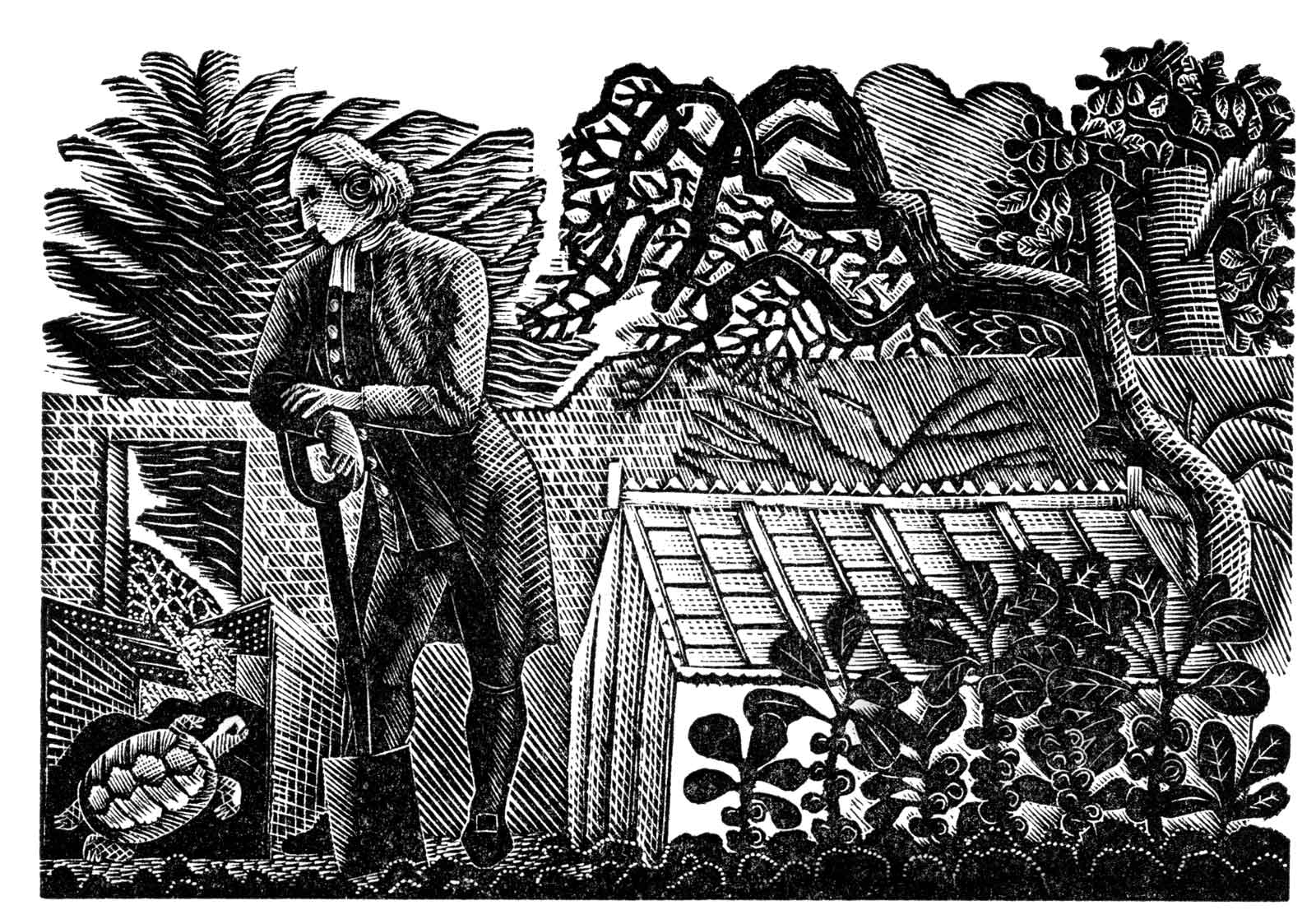
Gilbert White was a country parson with a fascination for nature. In 1789 he published The Natural History and Antiquities of Selborne, a groundbreaking work whose importance is difficult to overstate.

Charles Darwin credited it with sparking his own fascination for nature, and White’s work paved the way for Darwin to develop his Theory of Evolution by Natural Selection.

White’s understanding that humans, nature and the environment are all inextricably linked have led to him being celebrated as the first ecologist.

White was frequently referenced by veteran ecologist Richard Maybe, author of over 30 books (including Food For Free which kicked off the 1970s “self sufficiency” movement and inspired The Good Life TV sitcom).  Gilbert White also inspired the author of The Once And Future King – known by many through the Disney classic, The Sword In the Stone – who has Merlin the Magician quote Gilbert White on the topic of birds. Curiously the novelist’s name was T.H. White.

Our talk title, “The Once and Future Ecologist“, not only honours Gilbert White’s novelist namesake but reminds us that he was the first to truly understand how important the link is between living things, including humans, and our physical environment – a message which becomes increasingly urgent as we look to the future of this planet.

• • •

PubSci is delighted to welcome Steph Holt from London’s Natural History Museum to talk about this fascinating and truly inspirational figure. Book now on Eventbrite.

More information below

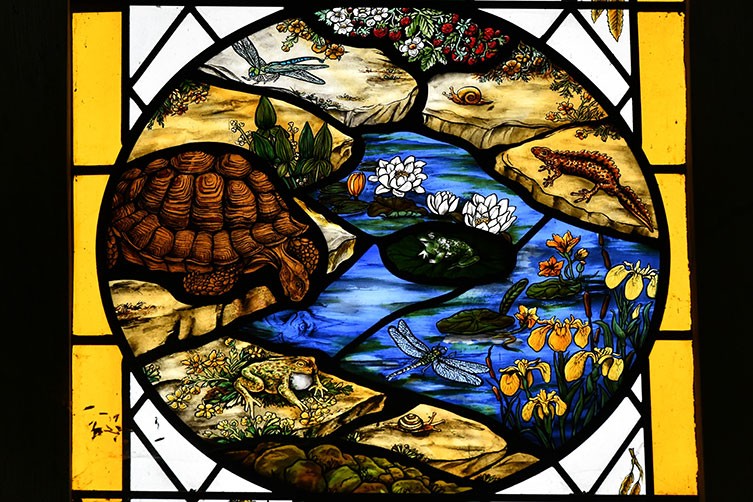
A stained glass window depicting a tortoise, frog and dragonfly

Stained glass commemorating White, St. Mary’s church, Selborne

___

Join us upstairs at the Old King’s Head, near London Bridge tube. Doors open at 6.30pm for a 7pm start. Talks run for ~45 minutes and are followed by a Q&A session. The Old King’s Head has a happy hour before 7pm, and the kitchen serves excellent pub grub.

Reserve your place now!  PubSci is a pay-what-you-can event – please consider making a donation with your reservation to help us cover our costs.

We use Eventbrite to manage event numbers. Subscribe to be notified of our forthcoming talks.

• • •

About the speaker

Steph HoltNatural Historian and ecologist Steph Holt has been fascinated by the wildlife of the British Isles for as long as she can remember.

She is passionate about the intersection of ecology and history, and is an accomplished communicator of her field. After working in ecology in local government, consultancy, NGOs, and academia, Steph Joined the Centre for UK Nature at London’s Natural History Museum in 2014. As UK Biodiversity Training Manager at NHM, she now helps ecologists develop careers with organisations such as Wildlife Trusts, Natural England and RSPB.

Steph is a Fellow and trustee of the British Naturalists Association, Associate Editor of Archives of Natural History (the journal of the Society for the History of Natural History), Fellow of the Linnean Society of London, and member of the Chartered Institute of Ecology and Environmental Management.

She has an MSt in Historical Studies, and is embarking on a DPhil at University of Oxford focusing on natural history in the late 18th Century, and its influence on networks of naturalists in modern amateur natural history.

Steph was recently awarded the David Bellamy Award for ‘Exceptional Field Naturalist’ by the British Naturalists Association.

PubSci is delighted to welcome Steph to the latest in our series of monthly talks.

___

Support PubSci

There is no charge for attending PubSci talks, but we have a traditional whip-round to cover expenses – consider it a “Pay What You Can” event. Very few of us carry cash these days, so you can contribute digitally through our TipJar or make a donation when registering for ticketed events with Eventbrite. Please help PubSci continue putting on events. PubSci has no other source of funding.

We aim to keep PubSci accessible for all, although it is unsuitable for under 18s as we meet in the function room of  a pub. Regrettably, there is no wheelchair access. 

Check out the Future Events page where you can also subscribe to our Google Calendar so PubSci events automatically appear in your own Calendar.  You can find all our links on our LinkTree.

A print by Eric Ravillious of a man with a spade and a tortoise

Wood engraving of Gilbert White by Eric Ravillious

• • •

We used to meet on the first Wednesday of the month but PubSci is now on the third Wednesday. Join us upstairs at the Old King’s Head near London Bridge Underground (Borough High Street east side exit) every month apart from December for a regular dose of Sipping, Supping & Science.

image-third-wednesdays

Address:

The Old King’s Head (upstairs room)
King’s Head Yard
45-49 Borough High Street
London SE1 1NA

How Insects Are Changing Our World – Erica McAlister & Adrian Washbourne | 15th May 2024

On Wednesday 15th May 2024, PubSci is delighted to welcome leading entomologist, Dr. Erica McAlister, and award-winning radio producer, Adrian Washbourne, for an evening of six-legged wonder.

The enormous compound eyes of a robber fly

The eyes of the robber fly inspired new solar cell designs (Credit: Thomas Shahan/Creative Commons)

Apologies for another tardy blog post. I’m just back from Mexico after viewing April’s total solar eclipse. You can read my personal blog post about what it’s like to experience an eclipse on LinkedIn, where you can also join the Science in the Pub (PubSci) LinkedIn group.

So, to business!

PubSci is next Wednesday 15th May, and it’s one you won’t want to miss.

Dr. Erica McAlister of London’s Natural History Museum has spoken at PubSci more than any other scientist, with good reason. Erica is on a mission to change our minds about flies. As keeper of flies and fleas at the Natural History Museum, her infectious enthusiasm for flying and sucking things is guaranteed to win you over.

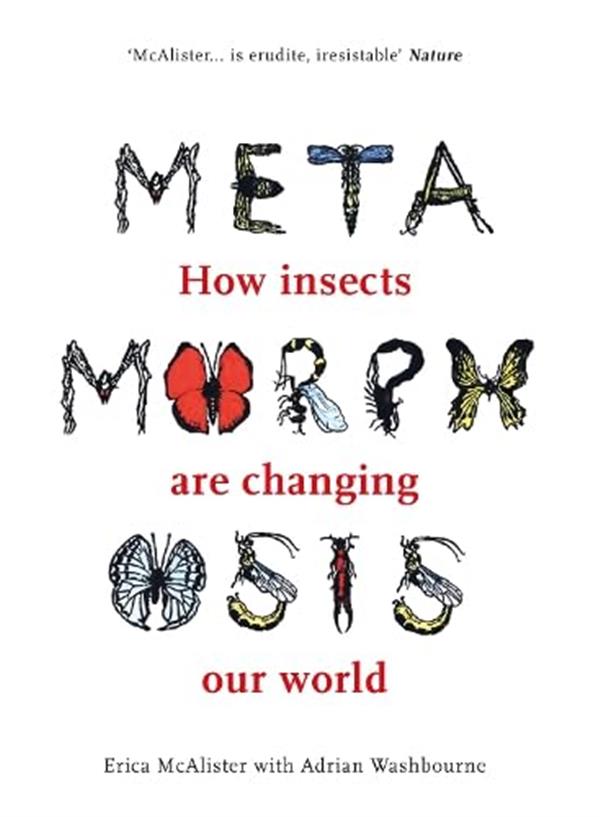
Award-winning Radio producer Adrian Washbourne has made numerous programmes for BBC Science and recently produced two acclaimed series on insects for BBC Radio 4, fronted by Erica. Now they have published a book inspired by the series: “Metamorphosis, How Insects Are Changing Our World”.

Line drawing of a flea

Flea, from Robert Hooke’s ‘Micrographia’

PubSci is delighted to welcome Erica and Adrian who will bring us some of the highlights of their book – described as an “accessible, beautifully illustrated celebration of insects and their extraordinary contributions to humankind – to reveal the wonder of insects, historical figures who made breakthroughs in understanding them, and the vital role they play in ensuring life, as we know it, continues.

Book now on Eventbrite if you’d like to know how insects inspire human technology, if flies can help us lower our carbon footprint, and why the best mixtape to take into space isn’t what you think!

Metamorphosis will be on sale at PubSci, with the opportunity to get your copy signed by the authors.

• • •

PubSci takes place upstairs at the Old King’s Head near London Bridge tube. Doors open 6.30pm for a 7pm start. Talks run for ~45 minutes and are followed by a Q&A session. The Old King’s Head has a happy hour before 7pm and the kitchen serves excellent pub grub. 

We use Eventbrite to manage numbers – reserve your place now! PubSci is free to attend but please consider making a donation with your reservation to help us cover our costs.

• • •

About the speakers

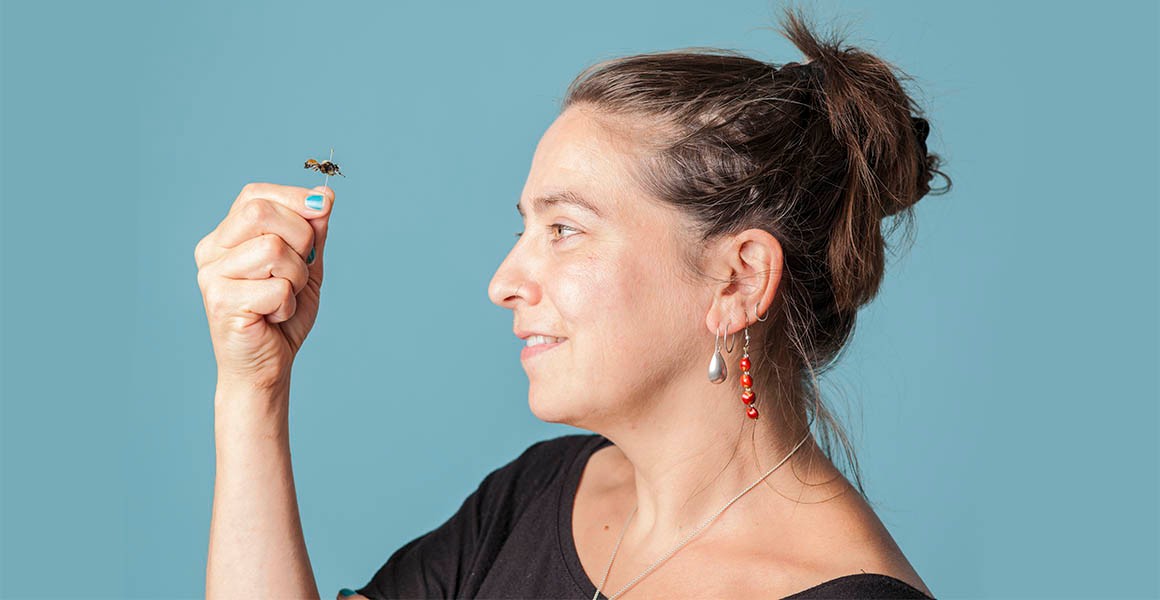
A woman holding a fly

Courtesy of NHM

Dr. Erica McAlister is Principle Curator of Diptera (flies) and Siphonaptera (fleas) in the Department of Entomology at London’s Natural History Museum.

She is a regular guest on TV and Radio, including The Natural History Programme, The Living World, Who’s the Pest?, Natural History Heroes, Infinite Money Cage, No such thing as a Fish, The Museum of Curiosity, The Museum of Life, Springwatch and The Life Scientific. In 2019 she was the winner of the Zoological Society of London Award for Communicating Zoology.

Erica is the author of award-winning natural history books, The Secret Life of Flies (2017), The Inside Out of Flies (2020), and A Bug’s World (2022) –  a book for children illustrated by Stephanie Fizer Coleman.

Book cover for Metamorphosis

Metamorphosis will be available to purchase at the event

Adrian Washbourne is an award-winning producer who spent 35 years working for BBC Radio and the World Service. He has produced landmark documentary series on botany, art and science, and the history of medicine.

Adrian has won several Association of British Science Writers awards and was awarded the 2019 Medical Journalists’ Association Feature of the Year.

Metamorphosis – How Insects are Changing Our World is the result of Erica and Adrian’s work together on two celebrated series for BBC Radio 4, and was published in April 2024.

PubSci is delighted to welcome Erica and Adrian as our speakers for May. Subscribe to our calendar to be the first to know what’s happening each month.

___

Support PubSci

There is no charge for attending PubSci talks, but we have a traditional whip-round to cover expenses – consider it a “Pay What You Can” event. Not many of us carry cash these days, so you can contribute digitally through our TipJar or make a donation when registering for ticketed events with Eventbrite. Please help PubSci continue putting on events. We have no other source of funding.

We aim to keep PubSci accessible for all, although it is unsuitable for under 18s as we meet in the function room of  a pub. Regrettably, there is no wheelchair access. 

Check out the Future Events page where you can also subscribe to our Google Calendar so PubSci events automatically appear in your own Calendar.  You can find all our links on our LinkTree.

• • •

We used to meet on the first Wednesday of the month but PubSci is now on the third Wednesday. Join us upstairs at the Old King’s Head near London Bridge Underground (Borough High Street east side exit) every month apart from December for a regular dose of Sipping, Supping & Science.

image-third-wednesdays

Address:

The Old King’s Head (upstairs room)
King’s Head Yard
45-49 Borough High Street
London SE1 1NA

Nurture without Nature… What’s Wrong with Blank Slate View? (17th April 2024)

On Wednesday 17th April, PubSci is delighted to welcome evolutionary psychologist Dr. Alastair Davies to explore the nature-nurture debate in the light of modern understanding.

A blank slate with chalk ready to write

Are we born as blank slates, or is nurture balanced with nature?

Apologies for the lateness of this blog post. I’m in Mexico for the solar total eclipse, where connectivity has been difficult. Harder still has been proving that I’m not a robot… to AI systems which can’t accept that I’d be spending my money or logging into my accounts from a different country, even via VPN.

One of the things that makes us most human is our unique personalities, which develop from the moment we’re born – but are we born as completely blank slates upon which literally anything could be written by nurture and environment, or does nature imprint something unique on us from before we even emerge from the womb? And if it’s a mixture, how is that achieved?

That’s what April’s PubSci is all about.

Steven Pinker called it “the modern denial of human nature” yet in the long-standing debate over the influence of inheritance versus environment on human personalities, the “blank slate” theory was hugely influential for decades. So, are we born as raw canvases upon which the world uniquely traces its mark, or does nature impart innate qualities from the get-go?

Evolutionary psychologist Dr. Alastair Davies believes it’s time to re-assess this popular theory and consider where it leads us and what risks might emerge if we get it wrong.

PubSci is delighted to welcome Alastair to talk us through the background of, and potential problems with the blank slate theory, and explore how we might better understand how we – and those around us – came to be who we are.

Book now for an evening of profound insights. Places are limited and we’re already 60% full.

• • •

Wherever you stand in the nature-nurture debate, this talk is sure to challenge and inspire you. Join Alastair for What’s Wrong with Blank Slate View? on Wednesday 17th April . [Continues below]

Nature and nurture represented by DNA and a familyPubSci takes place upstairs at the Old King’s Head near London Bridge tube. Doors open 6.30pm for a 7pm start. Talks run for ~45 minutes and are followed by a Q&A session. The Old King’s Head has a happy hour before 7pm and the kitchen serves excellent pub grub. 

We use Eventbrite to manage numbers – reserve your place now! PubSci is free to attend but please consider making a donation with your reservation to help us cover our costs.

• • •

About the speaker

Alastair Davies is Senior Lecturer in Psychology at Regents University, London, specialising in evolutionary psychology, and human mating, infidelity and sex differences.

A man in a blue shirtHe received his PhD in psychology from Florida Atlantic University and has a degree in Applied Science from Wolverhampton University,

Alastair sits on the board of peer-review journal Evolutionary Psychology and is an editor of the Encyclopaedia of Evolutionary Psychological Science. He has published over a dozen papers including such titles as “Don’t you wish your partner was hot like me?:” The effectiveness of mate poaching across relationship types.

PubSci is delighted to welcome Alastair as our speaker for April. Subscribe to our calendar to be the first to know what’s happening each month.

___

Support PubSci

There is no charge for attending PubSci talks, but we have a traditional whip-round to cover expenses – consider it a “Pay What You Can” event. Very few of us carry cash these days, so you can contribute digitally through our TipJar or make a donation when registering for ticketed events with Eventbrite. Please help PubSci continue putting on events. PubSci has no other source of funding.

We aim to keep PubSci accessible for all, although it is unsuitable for under 18s as we meet in the function room of  a pub. Regrettably, there is no wheelchair access. 

Check out the Future Events page where you can also subscribe to our Google Calendar so PubSci events automatically appear in your own Calendar.  You can find all our links on our LinkTree.

• • •

We used to meet on the first Wednesday of the month but PubSci is now on the third Wednesday. Join us upstairs at the Old King’s Head near London Bridge Underground (Borough High Street east side exit) every month apart from December for a regular dose of Sipping, Supping & Science.

image-third-wednesdays

Address:

The Old King’s Head (upstairs room)
King’s Head Yard
45-49 Borough High Street
London SE1 1NA

Maths, Murder, and Storytelling | 20th March, Ioanna Georgiou

On Wednesday 20th March, PubSci is delighted to welcome author and maths educator, Ioanna Georgiou, who specialises in bringing mathematical ideas to life through true tales from the times they were first emerging.

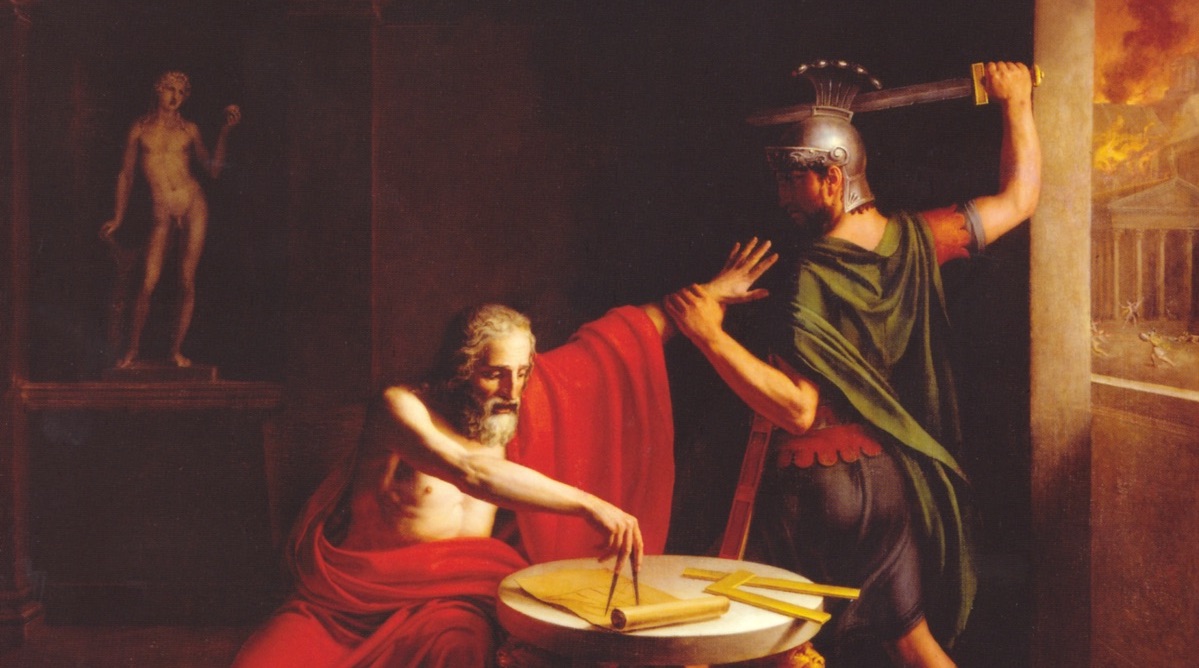
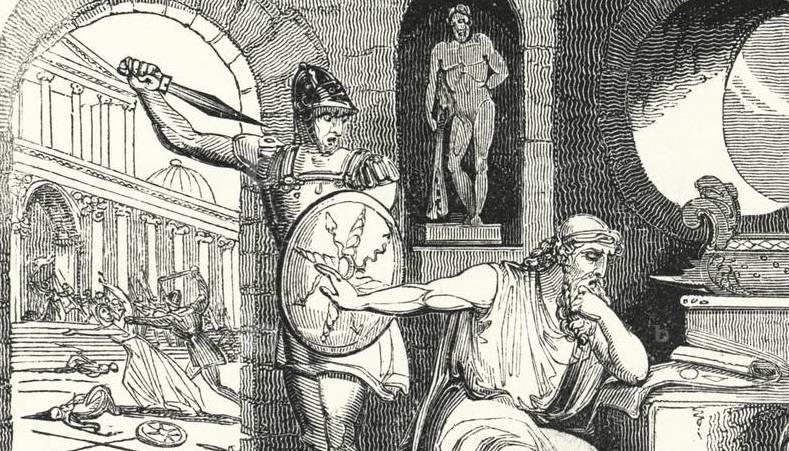
Oil painting ofa roman soldier threatening a mathematician with a sword.

“Do not disturb my circles”

Ioanna will talk about using narrative to make maths enjoyable and accessible for everybody, illustrated with examples from history, and will ask why we still learn Pythagoras’s theorem today.

Have you ever wondered why Archimedes was murdered, how a walk in Kaliningrad might connect to the London Underground, or what ancient bones tell us about counting in the distant past? From the earliest lunar calendars to the maps we know so well, historic narratives bursting with lively characters allow us to glimpse what maths has been doing for human society ever since our ancestors first learnt to count.

• • •

Whether you’re a maths fan or a maths-phobe, this talk will charm and entertain you. Join Ioanna for Maths, Murder, and Storytelling on Wednesday 20th March to find out how true tales from the past make maths meaningful today. [Continues below]

An engraving of a Roman soldier threatening Archimedes with a sword but Archimedes is too busy working

“Not now mate, I’m working…”

Join us on Weds 20th March upstairs at the Old King’s Head (near London Bridge tube). Doors open 6.30pm for a 7pm start. Talks run for ~45 minutes and are followed by a Q&A session. The Old King’s Head has a happy hour before 7pm and the kitchen serves excellent pub grub. 

We use Eventbrite to manage numbers – reserve your place now! PubSci is free to attend but please consider making a donation with your reservation to help us cover our costs.

• • •

About the speaker

Ioanna Georgiou (Ιωάννα Γεωργίου – pronounced Yoana Yeoryiou) specialises in using storytelling to bring mathematics to life, drawing on tales from the times the ideas were first emerging. [Continues]

A young woman holds a book called Adventures in Mathematics

Ioanna has an MPhil in Education, is head of mathematics at a Senior Girls’ School, and has been presenting Masterclasses at the Royal Institution of Great Britain since 2013. She is author of two books (Mathematical Adventures and Peculiar Deaths of Famous Mathematicians), both of which will be available at the talk.

Information about Ioanna’s tutoring and coaching can be found on her website.

PubSci is delighted to welcome Ioanna as our speaker for March. Subscribe to our calendar to be the first to know what’s happening each month.

___

Support PubSci

There is no charge for attending PubSci talks, but we have a traditional whip-round to cover expenses – consider it a “Pay What You Can” event. Very few of us carry cash these days, so you can contribute digitally through our TipJar or make a donation when registering for ticketed events with Eventbrite. Please help PubSci continue putting on events. PubSci has no other source of funding.

We aim to keep PubSci accessible for all, although it is unsuitable for under 18s as we meet in the function room of  a pub. Regrettably, there is no wheelchair access. 

Check out the Future Events page where you can also subscribe to our Google Calendar so PubSci events automatically appear in your own Calendar.  You can find all our links on our LinkTree.

• • •

We used to meet on the first Wednesday of the month but PubSci is now on the third Wednesday. Join us upstairs at the Old King’s Head near London Bridge Underground (Borough High Street east side exit) every month apart from December for a regular dose of Sipping, Supping & Science.

image-third-wednesdays

Address:

The Old King’s Head (upstairs room)
King’s Head Yard
45-49 Borough High Street
London SE1 1NA