There’s no December PubSci, so here are a few seasonal goodies to keep you going
 Welcome to PubSci’s year-end blog post.
If you’re new to PubSci, welcome! You can find out more about Science In The Pub at the bottom of this post. You also can subscribe to this blog to keep up with PubSci events by submitting your email address on any page, or follow us on social media (including our LinkedIn group) via these links.
• • •
2023 …and we’re back in the room!
We’ve had a great year in PubSci, finally returning to live events in the spring, three years after the April 2020 talk was cancelled due to the Covid-19 pandemic. Little did I know how long it would be before we could run live events again.
It was quite an uphill battle to restart. Several beloved venues closed their doors for good and many surviving ones began charging eye-watering prices for room hire in the face of skyrocketing energy prices. I had a super venue lined up in September 2022, which sadly fell through when their room-hire price went through the roof.
In the end, we were delighted to return to our longstanding home at the Old King’s Head in Borough where the beer is good and the staff are friendly and helpful. Sadly the meeting room is up narrow stairs, meaning we remain inaccessible to people with limited mobility but the alternative was not to restart at all.
Huge thanks to Greg the landlord for welcoming PubSci back and opening the kitchen for us midweek. We also learnt that the pizzeria next door is truly excellent and Greg is happy for us to bring them in on the rare occasions the kitchen is closed due to staff shortage.
A massive thank you to all our speakers this year. See below for links to the entries for all their talks. We don’t livestream or record PubSci. If you’ve never been to an event and would like to know what we’re about, check out these videos of some “Virtual PubSci” events held during lockdown.
Of course none of this would mean anything if it weren’t for you, the friends, followers and audience of PubSci. And it wouldn’t be possible to host PubSci without on-the-night and behind-the-scenes assistance from the PubSci regulars.
• • •
In The News
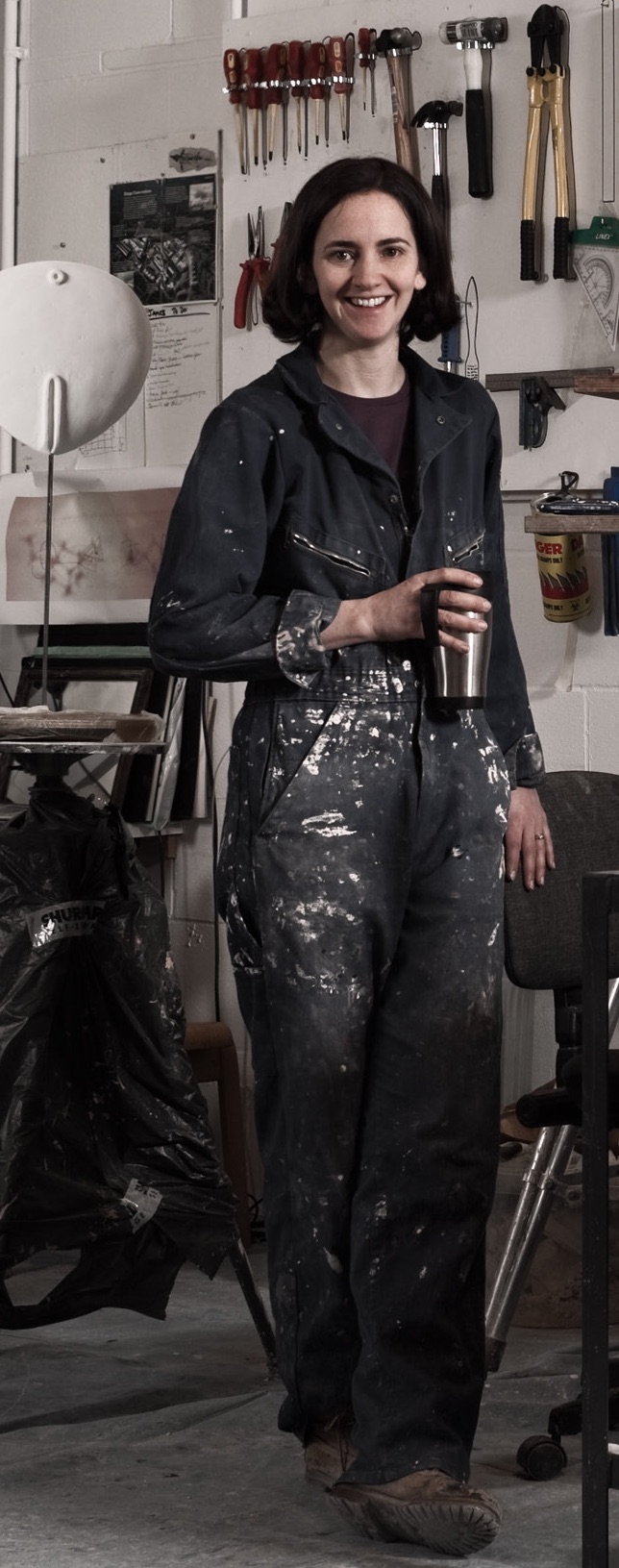
November’s talk was the last event of the year, and happened to be attended by Eva Amsen who writes about science and culture for Forbes. After the talk, Eva interviewed November’s speaker, Briony Marshall, writing about Briony’s work in Forbes and mentioning PubSci. Eva was kind enough to link to PubSci again in her personal blog post about it on SubStack. I highly recommend subscribing to Eva’s SubStack (called Mixture), “where science meets creativity, culture and curiosity”. If you see this, Eva, sorry about your meagre supper of crisps! Greg tells me the chef called in sick at the last minute.
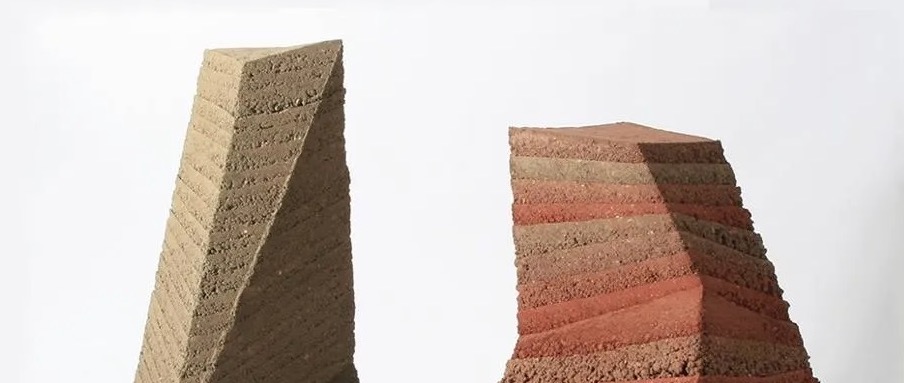
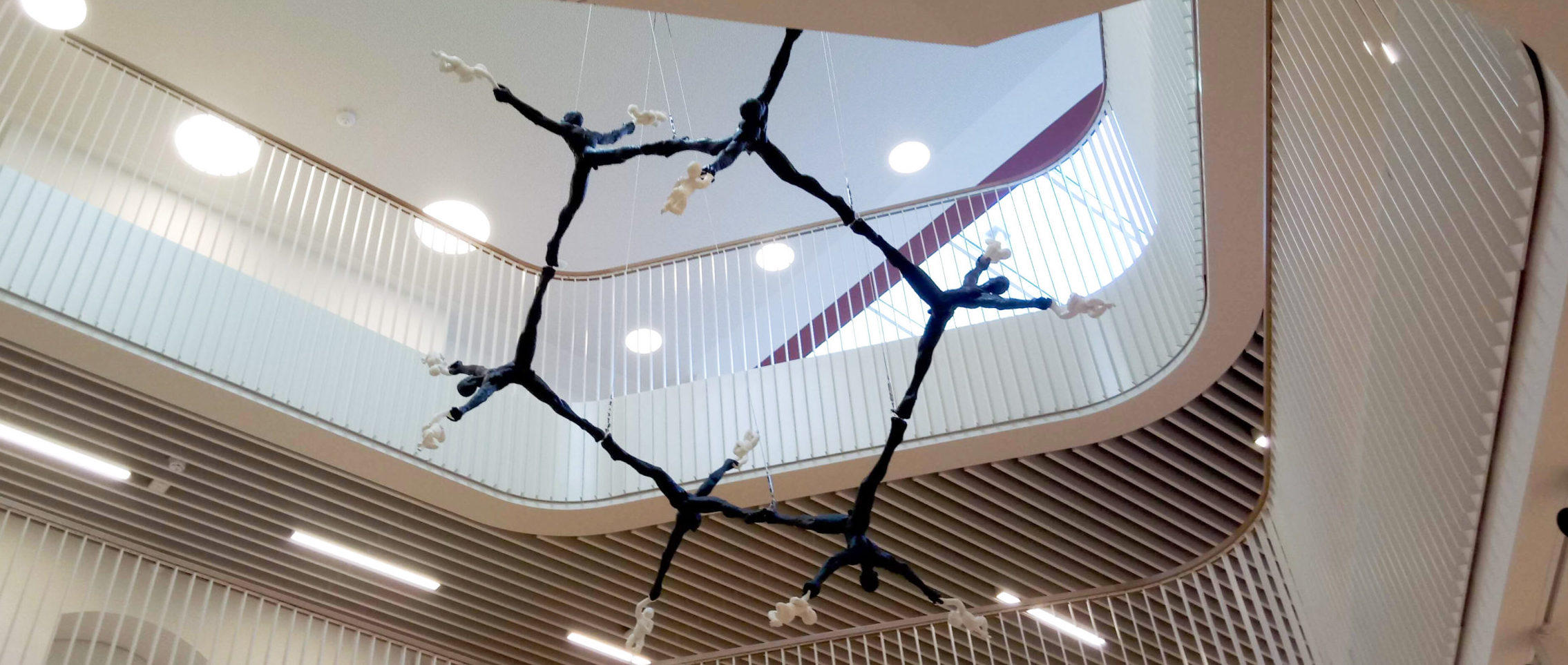
“Earth Time and Disruption” (detail) by Briony Marshall
This was also the year PubSci made a great connection with the Royal Institution of Great Britain, home of the famous Christmas Lectures, a tradition begun by Michael Faraday in 1825. It was watching Prof Eric Laithwaite’s Christmas lectures in the 1970s that inspired my own love of STEM. If you see Ri events mentioned in a PubSci blog post from, not only are these events I personally recommend, there may be special ticket deals for PubSci’s friends and followers. Twice this year the Ri has recommended PubSci events to readers of its own, extensive mailing list.
• • •
2023 in Review
PubSci relaunched live events on Weds 19th April with a joyous celebration of STEM comprising short talks by Kate Viscardi, George Holdaway, Mike Lucibella and myself. We heard about standards and deviations, quasicrystals and Islamic art, Antarctic science, genius cats and levitating hamsters. A huge thank you to Kate, George and Mike for helping me get us off to such a great start.
Our next speaker was unwell, so in May I dived into the world of misinformation with Falsehoods and Fallacies – Framing COVID-19 in the misinformation pandemic.
In June we were honoured to host US-based maths communicator, Eugenia Cheng, who slotted PubSci into her UK book tour for Is Maths Real? with a talk which left many visibly moved by Eugenia’s humanistic take on maths education.
July saw the return of a PubSci favourite, Prof. Chris French, with Putting Paranormal Claims to the Test, in which he detailed his department’s investigation of purported paranormal abilities.

R to L: James, Mike, Richard with James’ amazing neutrino mass-state demonstration (and beer).
In August, award-winning science writer James Riordon flew over to talk about how neutrinos could answer the biggest questions in the universe in Ghost Particle (the day before giving a more family-friendly version of his talk at the Ri).
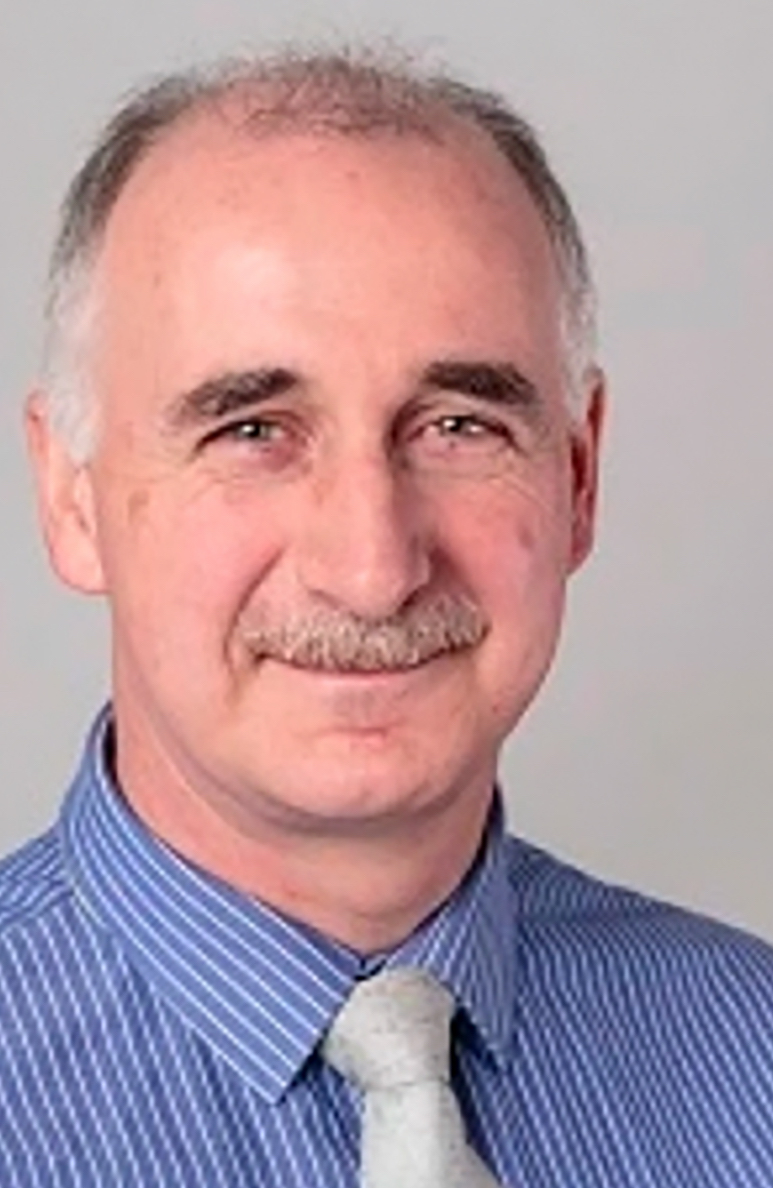
In September we’d hoped to welcome our great friend, NHM’s Dr Erica McAlister, but academic commitments meant she had to reschedule for 2024. Erica’s replacement, Dr Michal Williamson of IoZ, London didn’t disappoint, with an utterly fascinating talk on The Weird and Wonderful World of Eels!
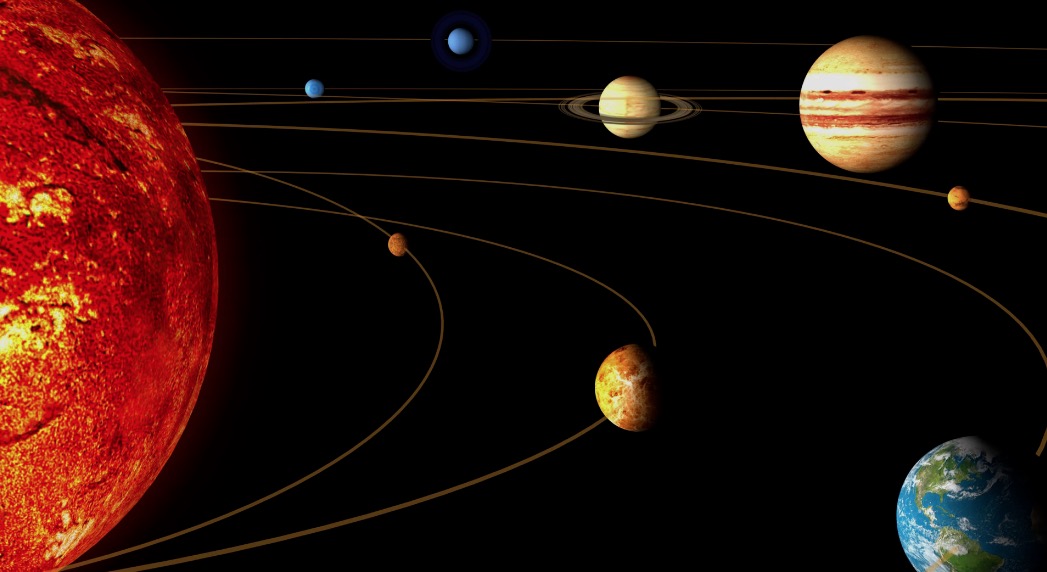
October saw Dr Stuart Eves treat us to a whistle-stop tour of planetary bodies in A Hitchhikers’ Guide to the Solar System and we hope Stuart will return to talk about moons of the solar system before we complete another circuit of the sun.

The eight planets and their moons (Courtesy of CactiStaccingCrane).
2023’s programme concluded in November with Briony Marshall (no relation) talking about Art and Science in the Age of Climate Fear. You can get an idea about Briony’s talk by reading this Forbes article about her work.

In December it was always our tradition to host the PubSci Christmas Quiz featuring the famous “Name that Christmas Spirit” round, courtesy of Christmas cake-baker extraordinaire, Kate Viscardi.
Alas, moving to the third Wednesday of the month makes that impractical this year, so we’re skipping December and looking forward to January.
• • •
Looking forward to 2024
 We kick off the new year with somebody who will be familiar to attendees: our very own Mike Lucibella. Mike spent five seasons in Antarctica as editor and photographer of The Antarctic Sun, official paper of the US Antarctic Program.
On Wednesday 17th January Mike will give the full version of the short talk he gave us in April about the vital research carried out at Antarctic stations and what it can tell us about the future of our fragile planet.
Following that that we can look forward to talks on Maths, Magic, Menopause, and Murder, not forgetting Flies, Flight and Fusion.
Until then everyone at PubSci Towers wish you Happy Saturnalia, Yule, Christmas, Hanukah, Eid al-Fitr, Diwali, Kwanzaa, Bodhi, Ōmisoka…
See you in 2024.
Richard Marshall, programmer, producer and host of PubSci
• • •
About PubSci
Science in the Pub (PubSci) is a STEM outreach initiative for scientists, the sci-adjacent and the sci-curious alike. Events are held in non-traditional venues such as a pub meeting room. Our current home is the Old King’s Head near London Bridge Station.
PubSci is entirely voluntary run and audience-funded – there is no other funding source. Nonetheless, we don’t charge for tickets so that our talks are accessible to all. See below for ways to support PubSci.
PubSci: Science, Sipping, Supping.
https://linktr.ee/pubsci
Join us upstairs at the Old King’s Head on the third Wednesday of the month. Doors open at 6.30pm for a 7pm start. The pub has a happy hour before 7pm, and the kitchen serves excellent pub grub.
• • •
Support PubSci.
There is no charge for attending PubSci talks, but we have a whip-round to cover expenses. Since few of us carry cash now, you can contribute digitally by putting a few quid in the virtual whip-round or make a donation when registering for a free event ticket. Please help PubSci continue to put on events.
We aim to keep PubSci accessible for all, although it is unsuitable for under 18s as we meet in the function room of a pub. Regrettably, there is no wheelchair access.
Please check our Future Events page where you can also subscribe to our iCal feed. You can find all our links on our LinkTree.
• • •

Address:
The Old King’s Head (upstairs room)
King’s Head Yard
45-49 Borough High Street
London SE1 1NA












 Mike Williamson is a Post-Doctoral Research Associate at the Institute of Zoology, the research division of the Zoological Society of London (the global conservation organisation best known to children as Regents Park Zoo). He works at the interface of conservation, climate change and biodiversity, seeking to minimise the impact human-activity has on the natural world.

