In this post: Details of October’s PubSci on Darwin’s botanical obsessions; The Science Show podcast delves into the miasma, and what to see in Regents Park this month if you love science and art.
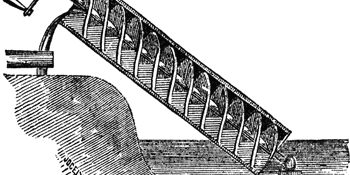
First of all, huge thanks to scientific tour guide Laurence Stiles of Laurence’s walks for last month’s PubSci looking back at roughly 3,000 years of engineering history in Great Engineering Leaps – Archimedes to Brunel and Beyond.
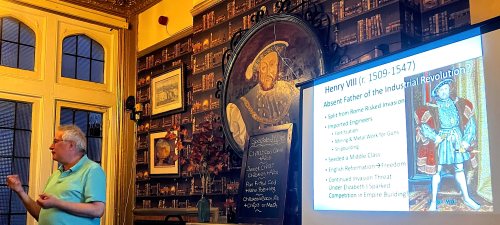
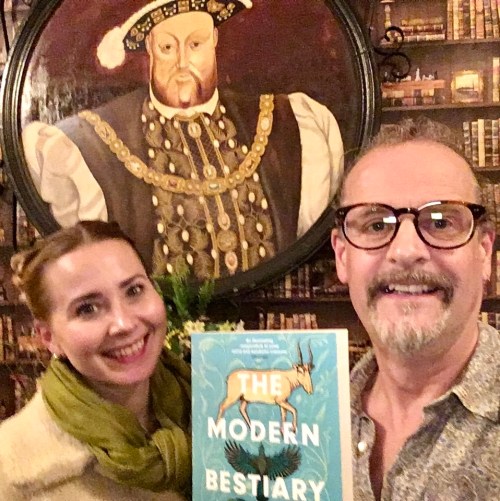
Probably none of us had considered that, despite the amazing technical achievements of the Roman and early medieval period, very few purely engineering advances were made! It certainly provoked lively discussion, which always makes for a good evening. And who among us had ever considered Henry VIII as the “absent father of he industrial revolution”? Laurence certainly made a good case for it, while Henry looked on approvingly.
Beauty, Sex and Death at Down House
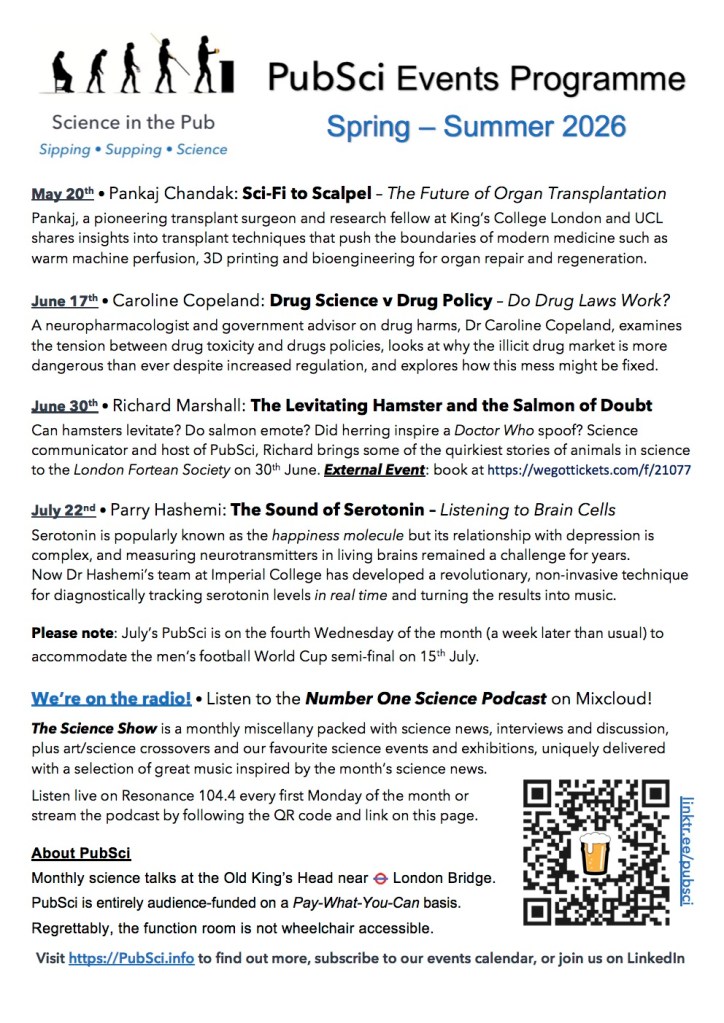
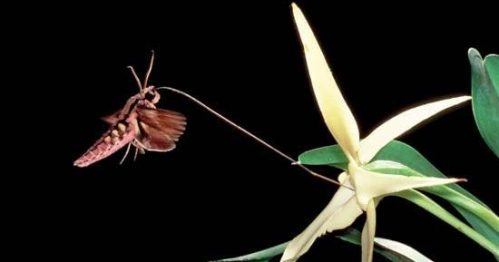
That’s not the title of a murder mystery, but a reference to this month’s PubSci when Sheila Poole from the Down House visitor outreach team delves into the great naturalist’s obsession with orchids and insect-eating plants on Wednesday 21st October, in Beauty, Sex and Death – Charles Darwin on botanical deception and carnivory.
If you’re reading this on Tuesday, the event is tomorrow. It’s hugely popular and fewer than 10 tickets remain, so get your skates on if you want to grab a place. You can read more about it here or go straight to the booking page here.
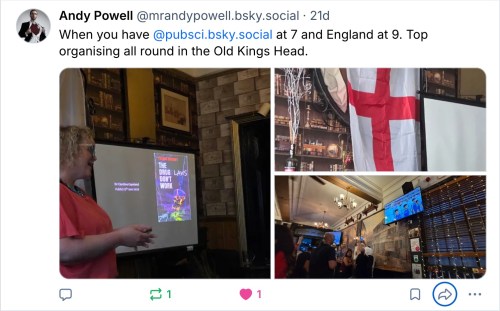
The venue is PubSci’s regular home, The Old King’s Head near Borough Market, which offers a great range of drinks, has a happy hour before 7pm, and opens the kitchen serving classic pub grub especially for us. Doors open at 6.30 for a 7pm start. Talks generally run for ~45 minutes and are followed by a Q&A session. Full address on the booking page.
As most of you know by now, PubSci talks are pay-what-you-can: You can make a contribution when booking on Eventbrite. We have no other source of funding. There are two ticket options:
Book for one + Support PubSci (max 1 ticket) if you prefer to contribute when booking – this option also reserves you one spot at the event. You may need to scroll down to see this option on Eventbrite.
Book without donating (max 4 tickets) if you prefer to put cash in the pot on the night.
Advance News of November PubSci
If you’ve checked out our current events programme, you’ll have noticed that November’s talk is a bit special.
The speaker will be Oxford professor of mathematics and holder of the Simonyi Chair in the Public Understanding of Science, Marcus du Sautoy. We’ve been in discussion since late last year, and I’m delighted we were able to find a date for Marcus to come to the Old King’s Head onWednesday 18th November.
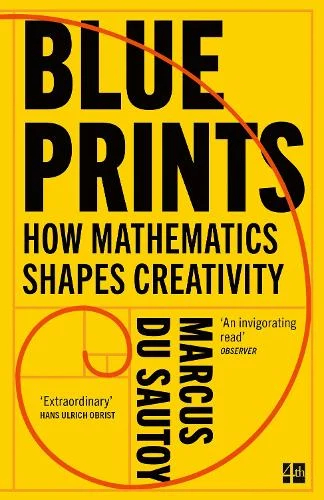
Marcus is a regular guest on BBC Radio 4’s In Our Time and anybody listening to the Today Programme on Radio 4 on Monday 19th October will have heard him give his response to the huge AI backlash from some leading mathematicians. Marcus is also my interview guest for next episode of The Science Show, to be broadcast on Monday 2nd November. We’ll be looking at some of the nine popular science & maths books he’s published, discussing AI in maths, and exploring the amazing maths that subtly underpins much of art and creativity. This was the topic of his latest book, Blueprints – now out in paperback – which he’ll be signing after November’s talk.
Art, Science and Worms
If you fancy getting outside this month, here are a couple of great science-related things to explore.
Worm Weekend at Down House, Charles Darwin’s family home in Kent, takes place this coming weekend, 24th – 25th October when you can Learn about different types of earthworm and take part in hands-on worm sampling in the beautiful gardens at Down House.
Darwin was himself rather obsessed with earthworms. He studied them over 40 years, tried to charm them by playing the piano and the bassoon at them – despite apparently having no skill in bassoon playing – and declared that no other animals have played “so important a part in the history of the world“. Find out why at Down House. It’s free to join in the events with a ticket to the English Heritage house and gardens.
Earthworms were the subject of Darwin’s final scientific book, The Formation of Vegetable Mould Through the Action of Worms, published in October 1881, just six months before his death. His most famous book, On The Origin of Species was published on 24 November 1859, and that will be celebrated at Down House with a weekend of special events on 21st – 22nd November.
Artist Conrad Shawcross is well known for creating art inspired by science. His piece Ringdown featured in the Science Gallery’s Quantum Entangled exhibition which ran from October 2025 to March 2026. He’s also exhibiting a piece in Frieze Sculpture 2026, the annual open air sculpture trail in London’s Regents Park. His piece ‘Eye of the Needle (Time Pebble (E30A13))’ was inspired by a 2008 visit to the Holmdel Horn Antenna in New Jersey, USA, which is the historic instrument that identified cosmic microwave background radiation and confirmed the Big Bang theory in 1964.
You can see Eye of the Needle (Time Pebble (E30A13)), along with 10 other sculptures throughout Regent’s Park until Sunday 1st November. There’s even a video of the artist discussing how his sculpture relates to cosmic time and the limits of human understanding on the Frieze website.
The Number 1 Science Podcast – again!
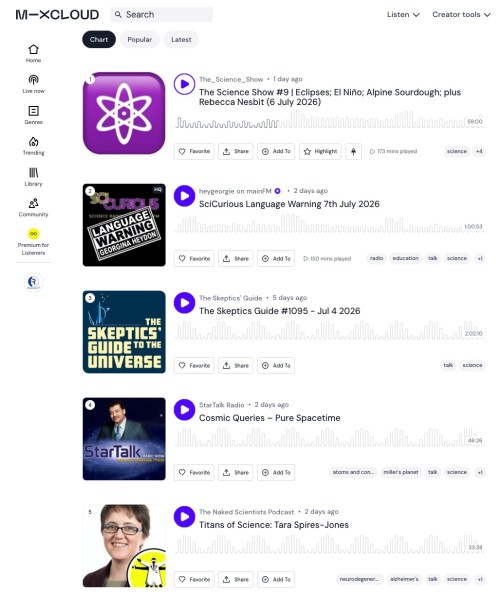
The Science Show is a magazine-style miscellany packed with news, interviews, chat and discussions, plus great music and cultural crossovers. Episode 11 was broadcast on Monday 5th October and is available to stream or download on Mixcloud.
Deborah Rowe joins me to discuss OpenAI solving one of the hardest problems in maths, worth $1 million (or did it…), Stanford University’s apparent claim that the brain evolved from two separate organs, the death of the Leap Second, and El Niño continuing to break records. Danielle Green joined me for a Random Walk though the history of miasma, mosquito borne diseases, gin and tonic, and a Soho water pump. And historian of mathematics (and former PubSci speaker) Snezana Lawrence discusses how future historians might look back on the AI explosion currently causing ructions in the maths world.
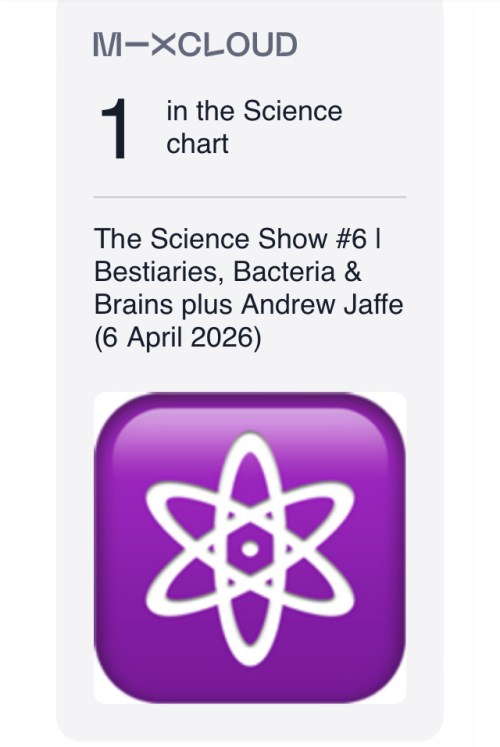
Episode 11 of The Science Show hit the top spot in Mixcloud’s science chart within a day of release, and broke into the Top 10 of the overall Podcast and Talk charts for the first time. I’m delighted by this unexpected success but what matters more is what you think of it. Please give it a listen and follow the show. If you like it, do please tell your friends!

Well that’s it for this post. Hope to see you at the Old King’s Head on 21st October, and don’t forget to put Wednesday 18th November in your diary.
Richard (Science communicator and PubSci organiser/host)
19th October 2026