Tag Archives: event

Weds 17th May | Falsehoods and Fallacies – Framing COVID-19 in the misinformation pandemic

In a change* to the scheduled event, on Wednesday 17th May 2023 Richard Marshall (PubSci host), will give a talk on critical thinking and data representation in the context of the Covid-19 pandemic. This will be followed by a group discussion of insights arising from the pandemic, chaired by Kate Viscardi and Mike Lucibella.

London Antivaxx Protest (Irish Times) edited

Communicating complex ideas is a never-ending challenge for science and medicine, and getting it right can mean the difference between life and death. This is especially true when special interest groups run campaigns of confusion, obfuscation and misinformation – whether sincerely, naively, or maliciously – such as we witnessed during the Covid-19 pandemic.

Of course it’s perfectly valid to challenge a received narrative by interrogating what we’re told by official sources – something that science communication should not only rise to meet but actively welcome and embrace – but when dishonest tactics are employed to mislead the public, we need a mental toolkit to help us spot fallacies and sort the legitimate challenges from the logical heffalump traps.

In this talk, Richard will explore some of the tricks used to confuse the unwary, and dip into the mental processes that make us all vulnerable to them, as well as exploring a couple of real life examples from the pandemic misinformation playbook.

• • •

Screen Shot 2023-05-16 at 20.21.05

• • •

Richard Marshall has been programming and hosting PubSci since 2017. After studying Engineering at The University of Surrey, he worked in photography and journalism before returning to STEM to lecture in the Schools of Engineering and Maths at London South Bank University. He has run events since 1992 and is now a freelance science communicator, bringing the joy of science into primary schools as well as doing science-based standup.

Kate Viscardi has been involved with PubSci since its inception in 2011. Before retiring she was, for many years, senior lecturer in the School of Engineering at London South Bank University and the School Lead for Higher Apprenticeships. Kate previously headed the Women in Engineering Centre, and in 1989 she appeared on a BBC Tomorrow’s World Christmas Special as an expert panelist alongside Douglas Adams.

Mike Lucibella is a science communicator based in the Press and Media office at University College, London. He spent several years with the United States Antarctic Programme where he edited its newspaper, the Antactic Sun, as well as photographing the Earth’s sixth continent. He regularly gives talks on Antactica and its importance to our understanding of climate change. When not holding a microphone, camera or telephone, Mike can often be found with a geological hammer, hunting fossils.

* The speaker originally programmed for tonight, Dr Michael Byford, has had to pull out for health reasons. We apologise to those who were looking forward to Michael’s talk, and we wish Michael a speedy recovery.

__

Join us upstairs at the Old King’s Head, near London Bridge station. Doors open at 6.30pm for a 7pm start. The Old King’s Head has a happy hour before 7pm, and the kitchen serves excellent pub grub.

• • •

Please support PubSci.

There is no charge for attending PubSci talks, but we have a whip-round to cover expenses. Because so few of us carry cash these days, you can contribute digitally too. Please help PubSci continue to put on events.

We aim to keep PubSci accessible for all, although it is unsuitable for under 18s as we meet in the function room of  a pub. Regrettably, there is no wheelchair access. 

Please check our Future Events page where you can also subscribe to our iCal feed. The Spring/Summer talks programme will also be announced at this event. You can find all our links on our LinkTree.

__

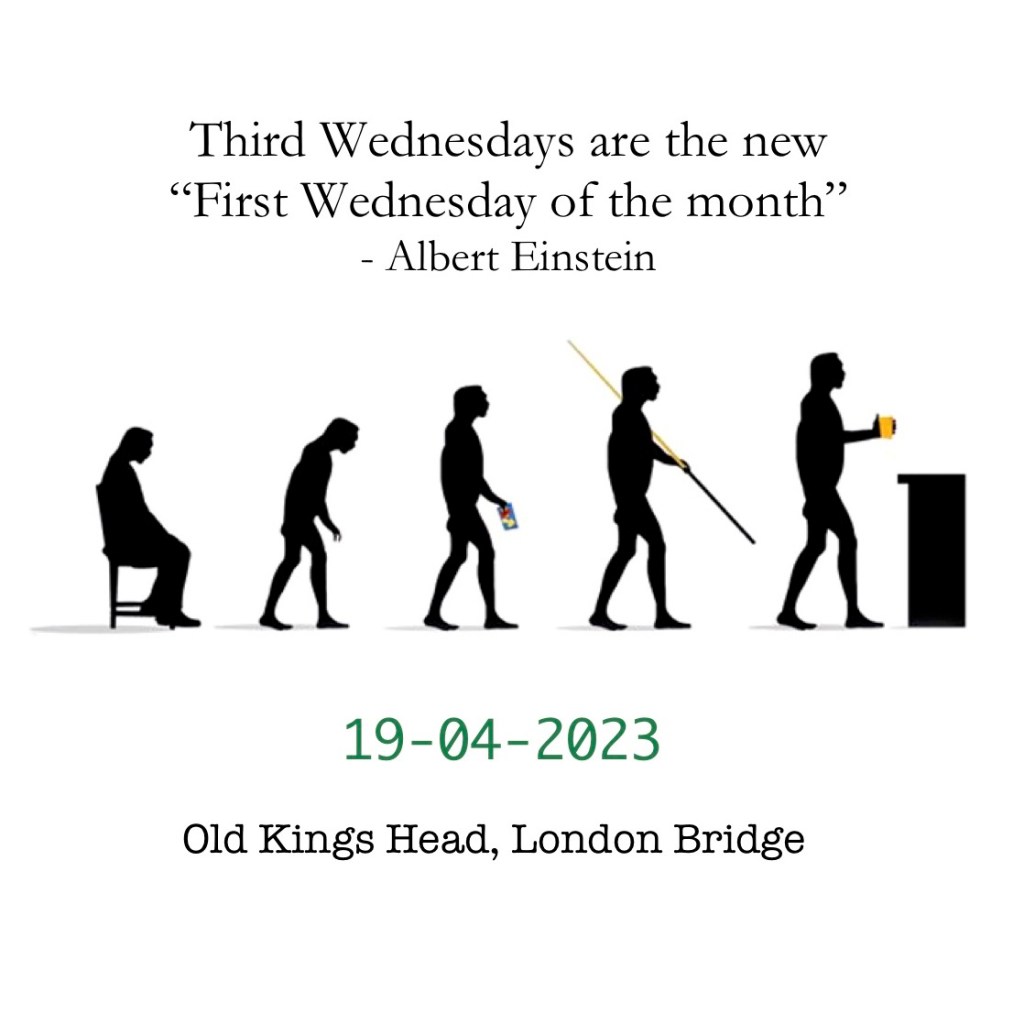
We used to meet on the first Wednesday of the month but PubSci is now on the third Wednesday.

image-third-wednesdays

Address:

The Old King’s Head (upstairs room)
King’s Head Yard
45-49 Borough High Street
London SE1 1NA
17th May | Notice of event change to “Dr Michael Byford: What We Learnt from the Pandemic (And What We Didn’t):

Unfortunately Michael is unable to give this talk due to ill health. Please see the latest blog post for information on the replacement event or follow this link. We wish Michael a good recovery.

_ _ _ _ _ _ _ _ _ _ _ _ _ _ _ _ _ _ _ _ _ _

On Wednesday 17th May 2023 we are delighted to welcome biochemist and microbologist Michael Byford to PubSci to talk about what was learnt from the Covid-19 pandemic.

covid-19-4961257-1920-3_1595238814208_x2

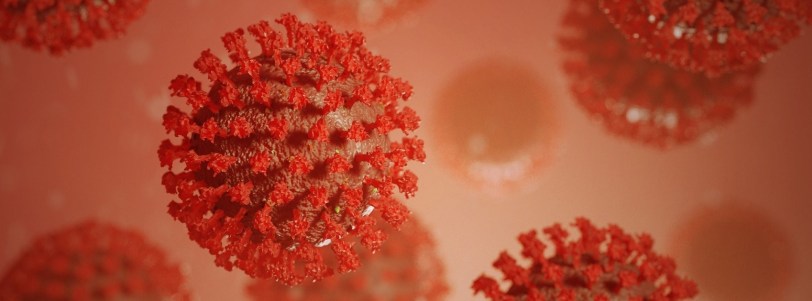
SARS-CoV-2 caused a global pandemic on a scale not seen for over a century. In this talk, Michael will outline the emergence of SARS-CoV-2, the virus responsible for Covid-19. He will also describe the nature of mRNA vaccines and how the pandemic spurred the development of this approach which is being adapted to fight other diseases.

This talk was originally scheduled for PubSci online in June 2021 but was postponed due to changing covid restrictions. Almost two years on, we gain the benefit of both hindsight and new insights.

__

Michael is one of our most prolific and popular speakers and we couldn’t be happier to welcome him as our first speaker of the new season. Anybody who remembers Michael’s 2019 talk on bacteriophages will know to expect a fascinating and informative evening.

• • •

FB_IMG_1559736087541

Michael Byford received his PhD in biochemistry in 1983 from the University of Southampton before joining the University of Washington where he discovered the “IQ domain” in a neurospecific protein and developed a method of detecting phosphorylated residues of amino acids, a key step in understanding metabolic pathways.

He returned to Southampton to initiate work on neuroblastoma, a highly aggressive tumour found only in children. Upon moving to the University of Oxford he worked on the first step in the synthesis of penicillin. He then worked for DEFRA primarily on Creutzfeldt Jacob (AKA “mad cow”) disease.

Following a brief spell working on DNA repair, Michael became senior lecturer in biochemistry at London South Bank University. After a period teaching environmental microbiology at the University of Portsmouth Michael returned to his native Sussex to tutor privately.

• • •

Join us upstairs at the Old King’s Head, near London Bridge station. Doors open at 6.30pm for a 7pm start. The Old King’s Head has a happy hour before 7pm to get you in the mood, and the kitchen serves excellent pub grub.

__

Please support PubSci. As usual, there is no charge for attending PubSci talks, but we have a whip-round to cover expenses. Because so few of us carry cash these days, you can contribute digitally too.

• • •

We aim to keep PubSci accessible for all, although it is unsuitable for under 18s as we meet in the upper room of a pub. Regrettably, there is no wheelchair access.

Check our Future Events page where you can also subscribe to our Google Calendar so PubSci events automatically appear in your own Calendar.  You can find all our links on our LinkTree.

__

NB PubSci used to meet on the first Wednesday of the month but is now on the third Wednesday.

image-third-wednesdays

Address:

The Old King’s Head (upstairs room)
King’s Head Yard
45-49 Borough High Street
London SE1 1NA

Thank you… and we’re back in the room!

OKH Street SIgn

A huge thank you to everybody who came to the Old King’s Head on Wednesday.

It really was great to be back live, talking about science – in the pub. It’s been a long, steep journey to relaunch live events from scratch after three years without a venue. Wednesday made it all worthwhile.

If you weren’t there, you won’t know what you missed, but the full Spring / Summer programme is now up, so make sure you come to the next one if you can. Subscribe to our google calendar to be on the safe side!

The evening wasn’t without its surprises. The evening chef called in sick and it looked like there’d be no food at all, but lovely Sam from the bar, who has been a friend to PubSci for years, arranged for us to order pizzas from Giuseppe’s. She even took the payments and delivered the pizza. And they were delicious! Thanks Sam.

This is a good point to mention a little known fact: PubSci has a tradition of leaving a tip for the bar staff from contributions on the night (even if expenses outweigh contributions) because we couldn’t run the event without them.

It’s also a good moment to thank those who put in contributions to help keep PubSci running. Apologies to those who couldn’t make the QR code work – we think it was camera / device settings rather than an issue with the code itself. If you missed the chance on the night, you can always head to our linktree to use the Tip Jar.

Thank you Kate, George and Mike for giving such excellent talks, and for the audience questions. And for listening to me too! For the record, the talks were:

  • Kate Viscardi –  “How Long Is a Piece of String?
  • George Holdaway – “Islamic Art: The Quest for the Quasi Crystal”
  • Mike Lucibella – “What’s the Deal with Antarctica?”
  • Richard Marshall – “The Levitating Hamster and Other Definitely True Stories”

You all made it worthwhile. X

See you back at the OKH on Wednesday 17th May for Dr. Michael Byford: What We Learnt from the Pandemic (And What We Didn’t)

PubSci Returns to the Pub – Today!

Announcement Banner

A little reminder that we’re back in the Old King’s Head tonight

  • Kate Viscardi considers standards and deviations in “How Long Is a Piece of String?
  • George Holdaway discusses “Islamic Art: The Quest for the Quasi Crystal”
  • Mike Lucibella asks “What’s the Deal with Antarctica?”
  • Richard Marshall presents “The Levitating Hamster and Other Definitely True Stories”

Full details here: https://pubsci.info/next-event-19th-april-restart-special

• • •

The kitchen will be open. Order before 7pm and tell the bar staff you’re upstairs – they’ll bring your food in arrive early to get a table seat..

• • •

PubSci is free to attend but we have a whip-round to cover expenses. As so few of us carry cash now, you can contribute digitally too. This event will not be livestreamed. Regrettably, there is no wheelchair access.

Please check our Future Events page where you can also subscribe to our iCal feed. The Spring/Summer talks programme will also be announced at this event. You can find all our links on our LinkTree.

__

Venue:

The Old King’s Head (upstairs room)
King’s Head Yard
45-49 Borough High Street
London SE1 1NA

Weds 19th April | PubSci Restart Event: A Celebration of Science

On Wednesday 19th April 2023 we’re enormously excited to be returning to in-person events, three years after we paused due to the pandemic. This will be a celebratory evening of science communication and socialising: Four different speakers on four different topics to make you laugh, cry, gasp, and ask “Just how close is the bar?”Announcement Banner

Please join us for an evening to remember:

  • Kate Viscardi considers standards and deviations in “How Long Is a Piece of String?
  • George Holdaway discusses “Islamic Art: The Quest for the Quasi Crystal”
  • Mike Lucibella asks “What’s the Deal with Antarctica?”
  • Richard Marshall presents “The Levitating Hamster and Other Definitely True Stories”

• • •

This event will be a social one as well as a SciCom one. In a change from the usual ~45-minute talk followed by questions, there will be more bar breaks and we’ve included extra time for catching up with friends old and new. Let’s celebrate getting together again!

 __

  • Kate Viscardi is a senior lecturer at LSBU and previously headed their Women in Engineering Centre.
  • George Holdaway is a polymath who tutors in STEM topics.
  • Mike Lucibella edited the newspaper of the US Antarctic Programme before joining UCL.
  • Richard Marshall has been programming and hosting PubSci since 2018.

Join us upstairs at the Old King’s Head, near London Bridge station (see below). Doors open at 6.30pm for a 7pm start. The Old King’s Head has a happy hour before 7pm to get you in the mood, and the kitchen serves excellent pub grub.

• • •

As usual the event is free, but we will have a whip-round to cover expenses. As so few of us carry cash now, you can contribute digitally too. This event will not be livestreamed.

We aim to keep PubSci accessible for all, although it is unsuitable for under 18s as we meet in the upper room of a pub. Regrettably, there is no wheelchair access. We tried very hard to find an accessible venue.

Please check our Future Events page where you can also subscribe to our iCal feed. The Spring/Summer talks programme will also be announced at this event. You can find all our links on our LinkTree.

__

NB We used to meet on the first Wednesday of the month but PubSci is now on the third Wednesday.

image-third-wednesdays

Address:

The Old King’s Head (upstairs room)
King’s Head Yard
45-49 Borough High Street
London SE1 1NA

PubSci Returns: 19th April 2023 | Old King’s Head Pub

The rumours are true: PubSci is back!

Three years after the pandemic halted live events, PubSci returns to its familiar home near London Bridge for a cornucopia of science talks in the comfort of the Old King’s Head (OKH). 

On Wednesday 19th April PubSci presents our Restart Special: A Celebration of Science.

Four Speakers in One Night

The PubSci Restart Special will be an evening of entertaining short talks on fascinating science topics. Some will make you laugh. Some will make you think. Some might turn you to drink. After the main event, you’ll have time to catch up with old friends, space to make new friends, and the opportunity to chat with your kind of people over a drink or two.

Save the date now and look out for the full event announcement in early April.

The OKH has a well-stocked bar, a happy hour from 5-7pm (we start at 7), and a great range of pub grub. The landlord has kindly agreed to keep the kitchen open for us, so you can satisfy your physiological and intellectual appetites at the same time.

Third Wednesday of Every Month

Looking ahead, we have a constellation of fantastic speakers lined up, including some all-time PubSci favourites. Don’t forget, we’ve moved from the first Wednesday of the month to the third, so please put third Wednesdays in your diary, beginning with 19th April 2023.

I’ll be announcing the spring/summer programme at the Restart Special before posting it on our website. While there, you can subscribe to the PubSci calendar to be notified as events are scheduled. Don’t forget to join our email list to receive the full monthly update.

PubSci remains free to attend. We pass round a beer mug at each event on a pay-what-you-can basis to cover costs such as speakers’ expenses and AV equipment. 

See you on the 19th!

Richard


PS  You can follow us on social media too.

Twitter   Facebook   Youtube

Regretably, the upstairs room at the OKH is not wheelchair accessible.

• • •

What’s the future of PubSci Online?

Running PubSci via Zoom while we were unable to get together in person was a great experience, despite the additional costs. Creating a Virtual Pub with Real Science ™ allowed me to invite speakers from the USA, and gave us the chance to widen the PubSci community without geographical limits. We haven’t forgotten you!

Whilst PubSci is about in-person science communication at heart, returning to live events doesn’t mean the end of the wider PubSci community. The April event will be IRL only, but we hope to begin live-streaming later in the spring. Once live events are up-and running I will work on the logistics and set about finding volunteers to record and stream live talks. If you come to PubSci regularly and have experience with OBS, please get in touch!

If you’ve never been to PubSci, our YouTube channel has recordings of our online talks during lockdown


Image

Remember when PubSci used to meet in an actual pub…?

Dr Ruth Siddall – Pigments of our imagination

On Wednesday 5th October we’re delighted to have Dr Ruth Siddall of UCL talking about the colourful topic of pigments.

Ruth is a co-author of The Pigment Compendium and works on the characterisation, synthesis and history of use of pigments, particularly in Roman period painting.

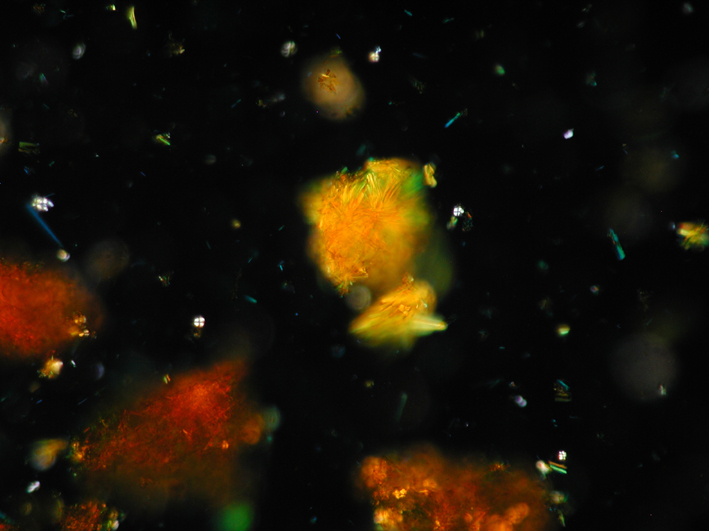
Photomicrograph of the pigment Indian Yellow in cross-polarised light

Photomicrograph of the pigment Indian Yellow in cross-polarised light

Pigments are the materials which give colour to paints. We’ve all heard about yellow ochre and ultramarine, but there are many weird and, to be honest, totally unacceptable materials used out there for pigments. Artists and painters have been incredibly resourceful in finding and creating new colours over the last 40,000 years of experimentation, and new pigments such as Vanta Black and YinMin Blue are still being introduced today. Pigments can be derived from minerals and also dyes extracted from plants and animals, but a number of more unexpected sources of pigments have been used. If it’s coloured, someone has painted with it.

This talk will explore the analytical techniques used to identify pigments in paintings and the stories behind paints such as Indian Yellow, Emerald Green, Turacine and Mummy Brown.

Join us upstairs at the Old King’s Head, near London Bridge station. Doors open at 6pm for a 7pm start and as usual the event is free, but we will have a whip-round to cover costs – we hope to see you there!

Dr Henry Nicholls – From Narcolepsy to Insomnia

At PubSci on Wednesday 4th May (aka Star Wars Day) we’re delighted to welcome journalist, author and full-time narcoleptic Henry Nicholls, who will reveal what it’s like to live with narcolepsy, a rare and much misunderstood neurological disorder.

Most people who’ve heard of it know it’s a sleep disorder that involves pathological levels of sleep. What few people realise is that its onset is triggered by the flu (or similar infection) and that it often involves a host of other fabulous symptoms, including collapsing fits during moments of high emotion, sleep paralysis, terrifying hallucinations and – paradoxically – insomnia. On account of the amphetamines that Henry takes, he is unlikely to doze off during the talk, but video clips of fainting dogs and excerpts from his forthcoming book will pave the way for a lively discussion of the true value of sleep.

henrynew

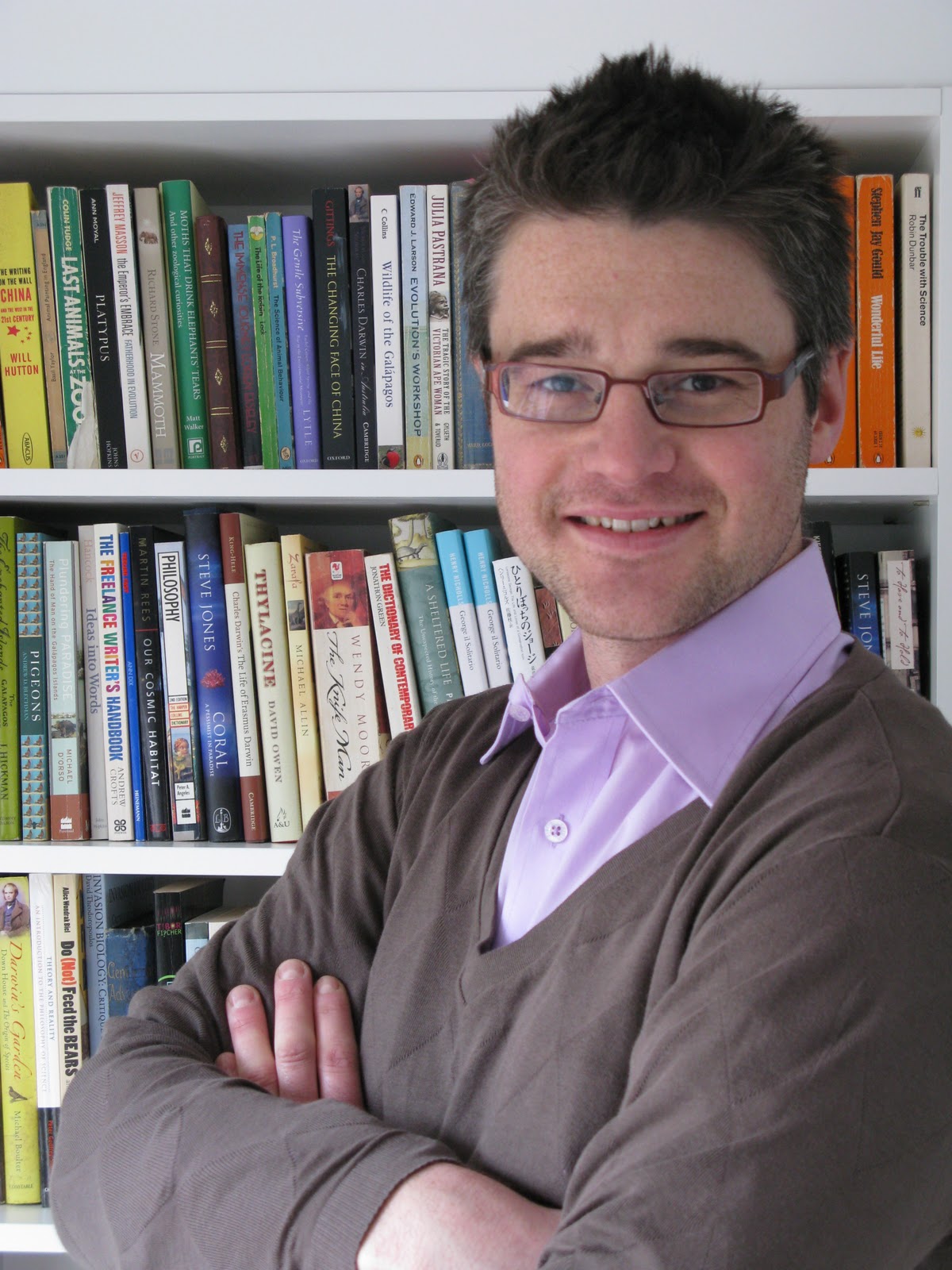
Henry Nicholls

Henry is a science journalist, author, broadcaster and narcoleptic. He is the author of three books: Lonesome George, The Way of the Panda and The Galapagos. His latest literary adventure, provisionally entitled “ZZZ” and due to be published next year, will examine the funny, puzzling, troubling lives of those with pathological patterns of sleep.

Join us from 6pm for a 7pm start at the Old King’s Head, near London Bridge station. As usual, the event is free, but we will have a whip-round to cover costs – we hope to see you there!

Gail Austen – Citizen Science: What Makes An Expert?

On Wednesday 2nd March we’re pleased to have Gail Austen speaking about the important and evolving  role of citizen science.

Gail is studying towards a PhD in Biodiversity Management at the Durrell Institute of Conservation and Ecology (DICE), University of Kent. She has an MSc in Taxonomy and Biodiversity from Imperial College, having been swayed by the course being hosted at the Natural History Museum, where she also volunteered. Prior to this (overlooking a stint in finance), she worked for a Local Records Centre and become involved in local conversation, including spending the last six years as Chair of the Kent Reptile & Amphibian Group (KRAG). Gail has a passion for UK wildlife and is an advocate of amateur naturalists and citizen science.

Gail_Austen-Price

It is generally accepted that there has been a decline in field biology skills, with some drawing a parallel between the ability to identify flora and fauna with ‘traditional country skills’. There are a number of specialists concerned with the naming and cataloguing of live, dead, extant and extinct specimens, both as part of their job and in a recreational capacity. However, there have been questions raised over the accuracy of the data collected in a ‘non-scientific’ manner, but in order to answer questions about the natural world, the reliance on citizen science and volunteer collected data is increasing.  Using established methods used in face recognition studies in psychology, my research investigates accuracy in visual species identification, what makes an expert, and whether we can improve these skill sets as a legacy for generations to come.

Join us from 6pm for a 7pm start at the Old King’s Head, near London Bridge station. As usual, the event is free, but we will have a whip-round to cover costs – we hope to see you there!