Tag Archives: museums

September’s Event, More News and ‘Thank You’s

The shadow of Count Orlok from the 1922 film Nosferatu

Count Orlok in F.W. Murnau’s 1922 “Nosferatu”

Greetings from windy South London.

First of all, many thanks to Steph Holt for August’s PubSci talk on Gilbert White. A special shout-out to the Goth WI posse who took advantage of their month off to come to the Old King’s Head. Sorry you can’t make the next one because it’s right up your street.

You see, we’re beating the October rush by getting our spook on early this year with a September Halloween Special looking at the natural history of vampires. If you think that doesn’t sound like it would contain much science, you’ve obviously never met September’s speaker, Deborah Hyde.

Full details of the event will be published in this blog once it’s been created on Eventbrite, but you can see a preview on our regular Next Event page (or click the image above). Read on for more ways to stay informed of forthcoming PubSci events. In the meantime, put 18th September in your diary.

• • •

Good news!

Summer-Autumn 2024PubSci’s Summer and Autumn programme is now available to download or print. If you didn’t realise we even had a programme, follow that link for a preview of scheduled events to the end of the year.

Of course, you may just want PubSci events to appear in your calendar app automatically, rather than looking at a flyer pinned to your fridge. Fear not! You can view or subscribe to our Google calendar feed here. Or just click this link to subscribe in one step by downloading the .ics file.

• • •

Get with the programme!

Since we’ve got an events programme, why not share it with friends and colleagues? It takes me a while to plan and produce every quarter and I’d hate it to go unused! How about printing off a copy and pinning it on your staff noticeboard? Everybody is welcome at PubSci.

• • •
Screenshot

Follow PubSci wherever you are…

Did you know PubSci is on Facebook and Bluesky (and Twitter though I’m trying to move off that). We even have a LinkedIn group, which I’d really love you to join.

And if you want to find all the links in just one place, then you need to head to our Linktree. What’s linktree, you ask? It’s a kind of mini website that’s optimised for mobile viewing and hosts links to all your stuff. Basically it’s like an index to everything you want to put online – and it’s free. Nope, we don’t have a “partner link” or get a kickback for recommendations, I just really like it.

• • •

And finally

Roughly half of all humans experience menopause but it’s rarely talked about in public, and both policy and education are shamefully inadequate despite the efforts of a few notable voices. Research by the Fawcett Society found 80% of menopausal women feel unsupported in the workplace. Our friends at the Vagina Museum want to help set this right with an exhibition called Menopause: What’s Changed?

It’s due to open on 18th October 2024 – World Menopause Day – but over a dozen arts and heritage funders have declined to support it, so they’re running a fundraiser instead. If you want to support it, or know an organisation who would, just follow this GoFundMe link.

…aaand October’s PubSci falls just two days earlier, so we’re hosting a special talk for everybody called Menopause Demystified. Yup, that includes the blokes too.

See you in the pub!

• • •

Support PubSci

There is no charge for attending PubSci talks, but we have a traditional whip-round to cover expenses – consider it a “Pay What You Can” event. Very few of us carry cash these days, so you can contribute digitally through our TipJar [awaiting link update] or make a donation when registering for ticketed events with Eventbrite. Please help PubSci continue putting on events. PubSci has no other source of funding.

We aim to keep PubSci accessible for all, although it is unsuitable for under 18s as we meet in the function room of  a pub. Regrettably, there is no wheelchair access. 

Check out the Future Events page where you can also subscribe to our Google Calendar so PubSci events automatically appear in your own Calendar.  You can find all our links on our LinkTree.

• • •

We used to meet on the first Wednesday of the month but PubSci is now on the third Wednesday. Join us upstairs at the Old King’s Head near London Bridge Underground (Borough High Street east side exit) every month apart from December for a regular dose of Sipping, Supping & Science.

image-third-wednesdays

Address:

The Old King’s Head (upstairs room)
King’s Head Yard
45-49 Borough High Street
London SE1 1NA

Next Event, News and ‘Thank You’s

meaning-of-coincidences-dice-on

Greetings from steamy South London.

July’s event is up on Eventbrite, and whilst I will be writing a blog post about it soon, you can read the most important details and find the booking link at our regular Next Event page (or click the image above). Meanwhile, here at PubSci towers, we’re breathing a sigh of relief as the temperature slowly drops, because the heat seems to have convinced WordPress that Orange is the new Black. 

In case you’re wondering, we’ll be welcoming back Professor Chris French to talk about the science and psychology of freaky coincidences. He’ll also be offering copies of his excellent new book for sale, rather wonderfully titled, The Science of Weird Shit: Why Our Minds Conjure the Paranormal. As always it’s the third Wednesday of the month, in this case Weds 17th July.

• • •

Huge thanks, of course, to June’s speaker, Eva Amsen. Remember, next time you hear about DNA fingerprinting or genetic testing, that it’s only possible thanks to some soupy bugs living in Yellowstone’s hot springs.

• • •

Roughly half of all humans experience menopause but it’s rarely talked about in public, and both policy and education are shamefully inadequate despite the efforts of a few notable voices. In fact research by the Fawcett Society found 80% of menopausal women feel unsupported in the workplace. Our friends at the Vagina Museum (the first museum of its kind in the world, now permanently housed in Bethnal Green), want to help set this right with an exhibition called Menopause: What’s Changed?

It’s due to open on 18th October 2024 – World Menopause Day – but over a dozen arts and heritage funders have declined to support it, so they’re running a fundraiser instead. If you want to support it, or know an organisation who would, just follow this GoFundMe link.

___

Don’t forget to register for July’s PubSci talk. As always. it’s a pay-what-you-can event – please consider making a donation with your reservation to help us cover our costs.

• • •

Support PubSci

There is no charge for attending PubSci talks, but we have a traditional whip-round to cover expenses – consider it a “Pay What You Can” event. Very few of us carry cash these days, so you can contribute digitally through our TipJar or make a donation when registering for ticketed events with Eventbrite. Please help PubSci continue putting on events. PubSci has no other source of funding.

We aim to keep PubSci accessible for all, although it is unsuitable for under 18s as we meet in the function room of  a pub. Regrettably, there is no wheelchair access. 

Check out the Future Events page where you can also subscribe to our Google Calendar so PubSci events automatically appear in your own Calendar.  You can find all our links on our LinkTree.

• • •

We used to meet on the first Wednesday of the month but PubSci is now on the third Wednesday. Join us upstairs at the Old King’s Head near London Bridge Underground (Borough High Street east side exit) every month apart from December for a regular dose of Sipping, Supping & Science.

image-third-wednesdays

Address:

The Old King’s Head (upstairs room)
King’s Head Yard
45-49 Borough High Street
London SE1 1NA
Paolo Viscardi – Dismantling the ‘Dead Zoo’ | Friday 26th Feb 2021

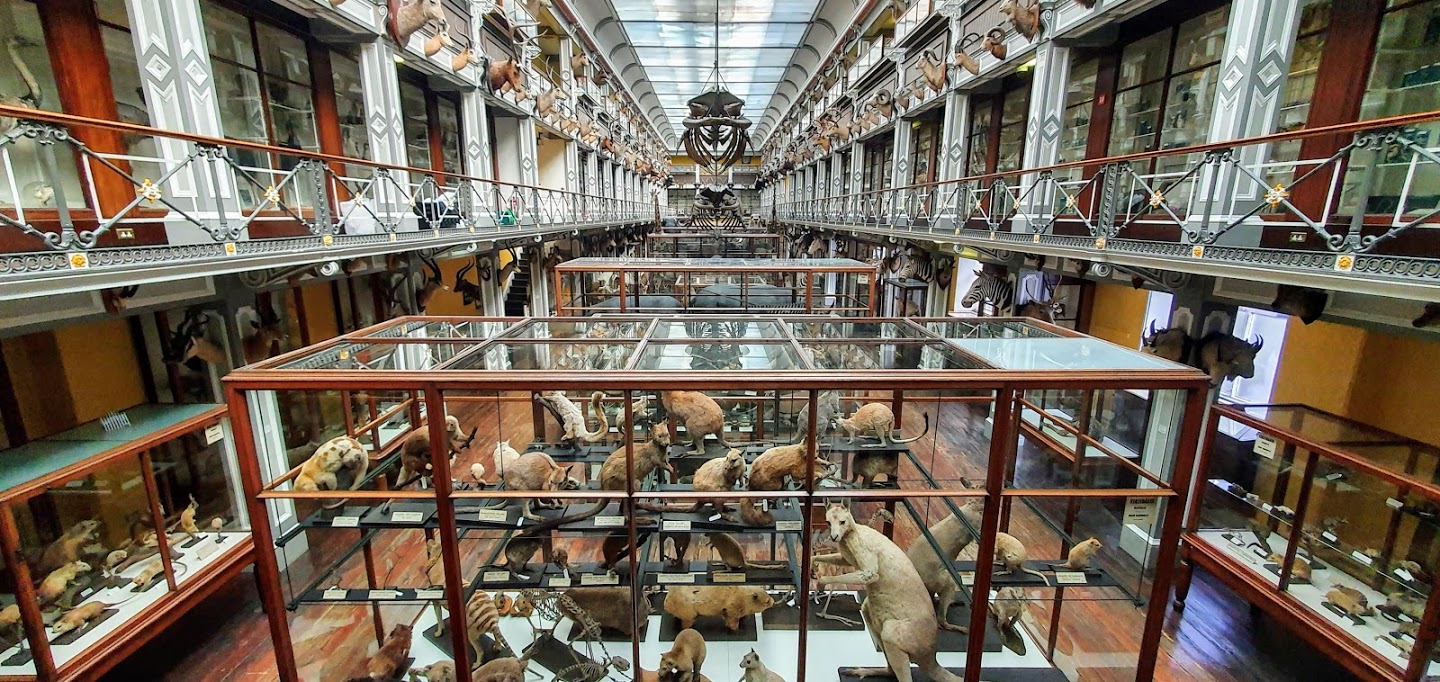
On Friday 26th Feb we’re delighted to be kicking off a new season with an online talk by Paolo Viscardi, one of the founders of PubSci. Paolo, now based at the National Museum of Ireland in Dublin, will present Dismantling the Dead Zoo, streamed live on Zoom and YouTube.

Dead Zoo

Dublin’s Dead Zoo in June 2020 © Paolo Viscardi, National Museum of Ireland


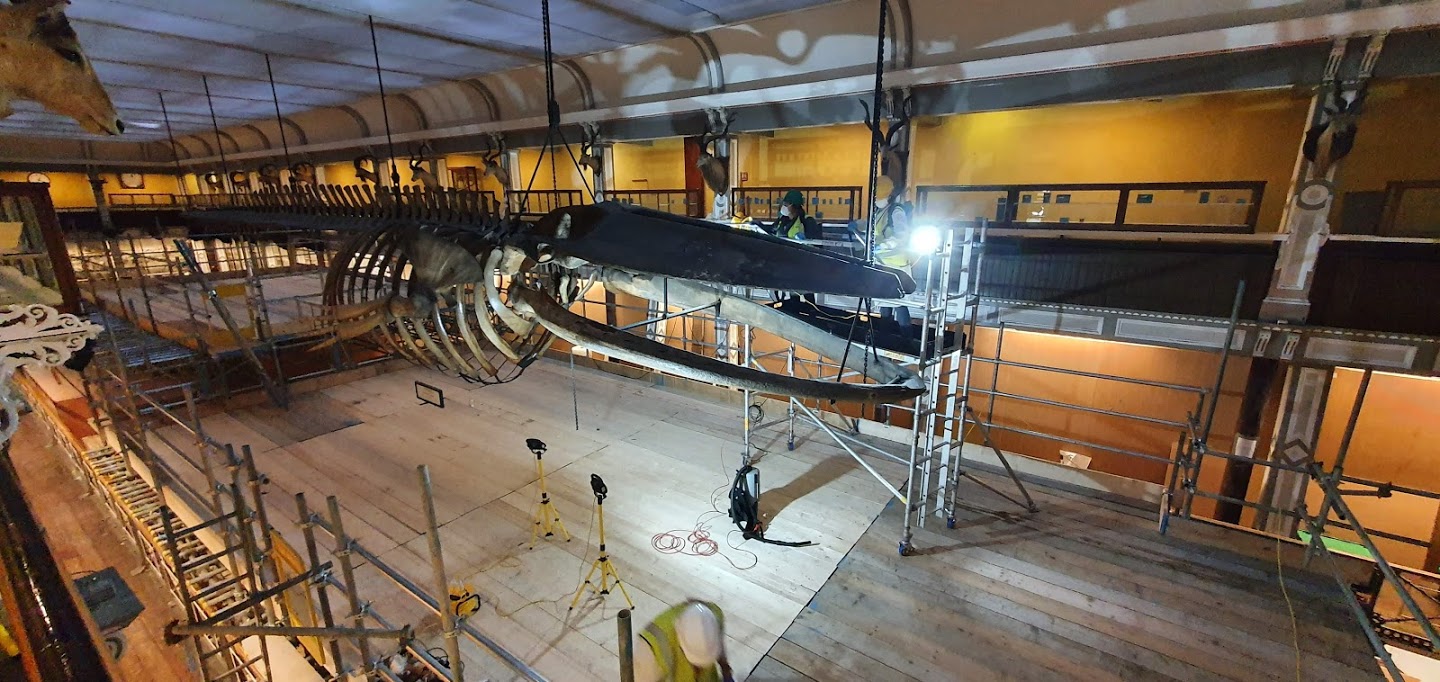
In Dismantling the Dead Zoo, Paolo will talk about decanting the scientifically important natural history collections in Dublin’s delightfully named Dead Zoo during the coronavirus pandemic to allow building renovations to take place.

Safely moving large, historic museum specimens, such as whales, requires an understanding of biomechanics, engineering and even chemistry. It also requires a head for heights, a strong back, and very careful planning – especially in a 164 year old building where floor-loading is theelephant in the room’. And, in this case, there are actual elephants in the room.

Paolo will answer audience questions after the talk.

____

Paolo in Dead Museum Crop 16x9

Paolo Viscardi

Paolo Viscardi is a Zoology Curator at the National Museum of Ireland and a trustee of the Natural Sciences Collections Association (NatSCA). His background is in biomechanics and he is particularly interested in bones. He is a keen science communicator and has worked as consultant and script editor on several TV documentaries. Paolo, now based in Dublin, is co-founder of PubSci.


Viewing the talk: Virtual PubSci is hosted live online via Zoom. We also stream events live on our YouTube channel where they remain available for at least 28 days.

Like all our events, this talk is free to attend, but you will need to register with Eventbrite to access Zoom. We have included the option to donate a small amount when you register to help cover web hosting fees etc.

Ticket sales go live at 1pm on Friday 12th February. You’ll receive a confirmation email; the Zoom link is emailed on the day of the talk.

More details on the event registration page.


Important Note: We aim to make our events accessible to all. You don’t have to pay, and you don’t need to install Zoom – Zoom can be run in a browser and events are streamed on the PubSci YouTube channel.

Please check our Future Events page where you can also subscribe to our iCal feed.

Whale skeleton

Preparing to dismantle the fin whale ©Paolo Viscardi, National Museum of Ireland

Announcing the Return of PubSCi

Apologies for the radio silence – it’s been a peculiar year – but PubSci is back!

Following the same format as our Virtual PubSci in June 2020, we are pleased to announced the return of PubSci as a regular, live, online event (until we can meet again in a real pub).

Friday is the new Wednesday

As we now have a PubSci in New Zealand (run by former London PubSci-er, Hannah), we have scheduled our first few online events for Friday evenings so our friends in the antipodes can join us on a Saturday morning. This might vary in the future, depending on speaker availability. Events will be hosted live on Zoom and streamed on the PubSci YouTube channel, where they will remain for at least 28 days.


We are delighted to begin our new season on Friday 26th February with our good friend Paolo Viscardi, co-founder of PubSci and Curator of Zoology at the National Museum of Ireland, on Dismantling the Dead Zoo.

We continue the zoological theme on Friday 26th March with PubSci favourite Dr Erica McAlister, Senior Keeper of Diptera (flies) at London’s Natural History Museum and author of nonfiction bestsellers, The Secret Life of Flies and The Inside Out of Flies.


Scheduled start time is 7pm. You’ll need to register in advance to watch the Zoom events (to prevent Zoom-bombing) but anybody can watch the YouTube streams. Full event details will be published shortly on all the usual channels, where you will also find instructions on how to attend.

Thank you for your patience. It’s good to be back.

Richard and all at PubSci

Jack Ashby: The unnatural nature of natural history museums

On Wednesday 2nd May we’re excited to welcome author and zoologist Jack Ashby to PubSci, where he will be talking about the unnatural nature of natural history museums.

20171002_110202 - Edited

Natural history museums are magical places. They inspire awe and wonder in the natural world and help us understand our place within the animal kingdom. Behind the scenes, many of them are also undertaking world-changing science with their collections. Their specimens help us explore incredible evolutionary stories.

But they are places for people, made by people. We might like to consider them logical places, centred on facts, but they can’t tell all the facts – there isn’t room. Similarly, they can’t show all the animals. And there are reasons behind what goes on display and what gets left in the storeroom.

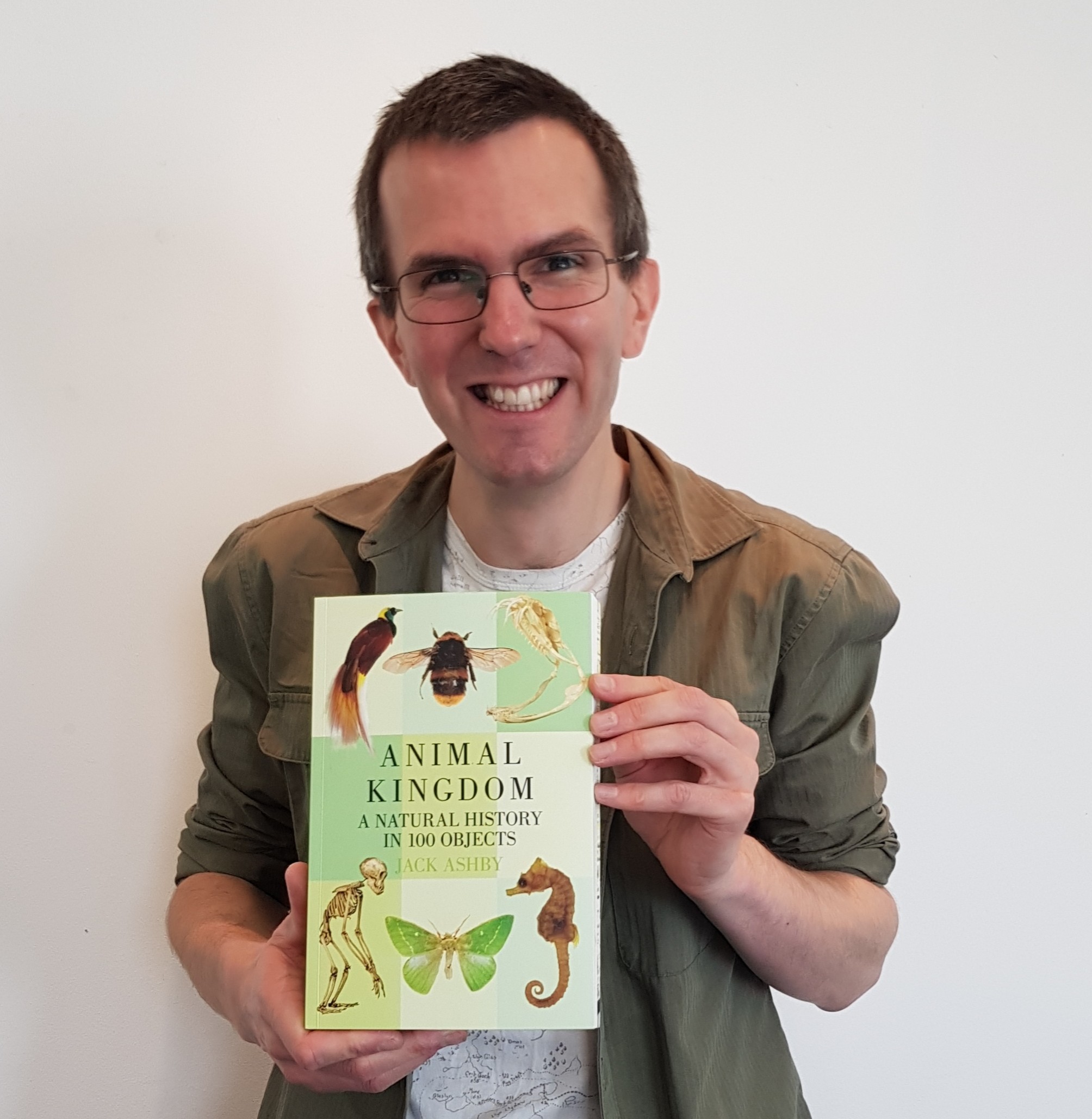
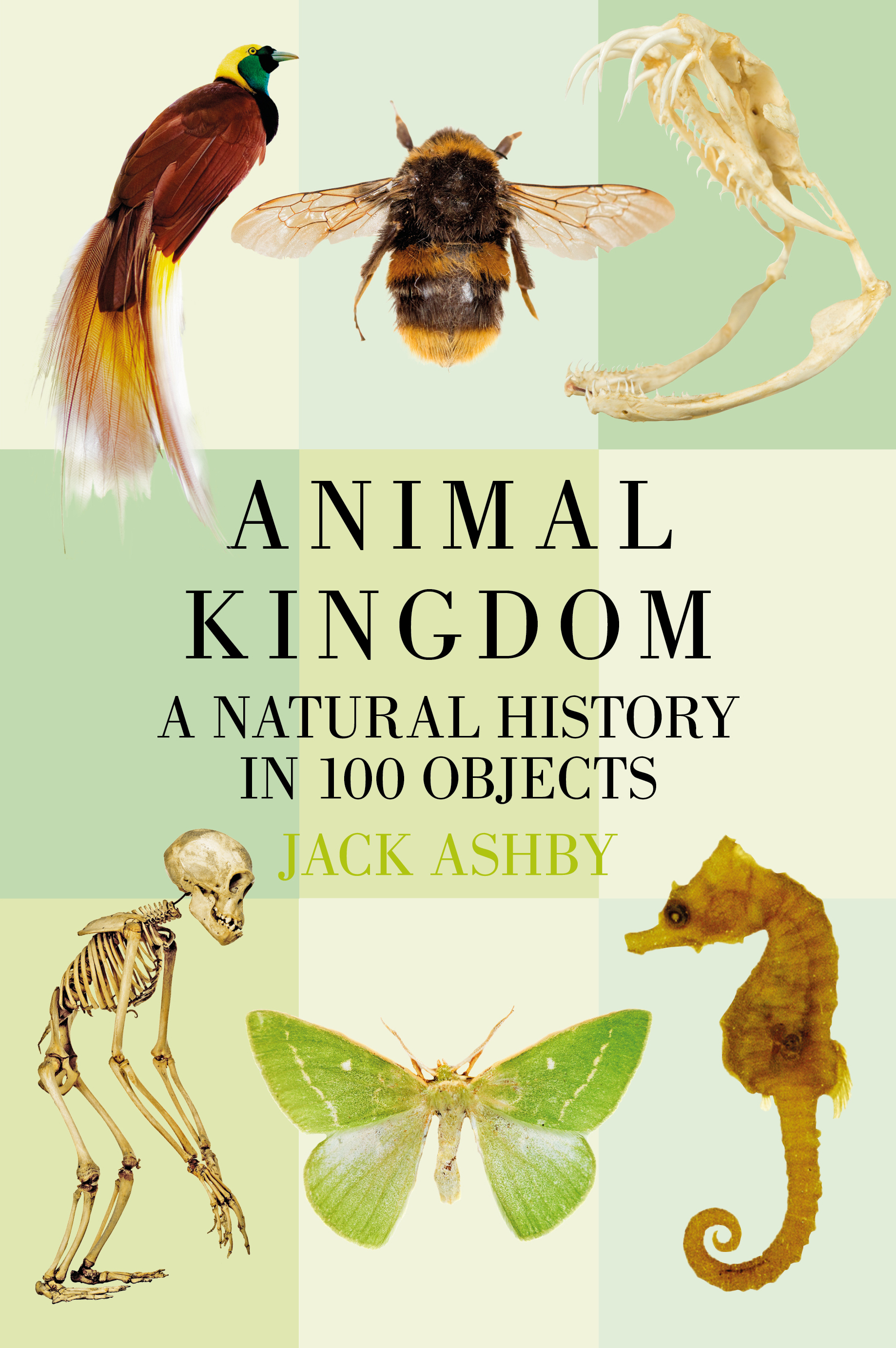
The biases that can be detected in how people talk about animals, particularly in museums, is one of the themes of Jack Ashby’s new book, Animal Kingdom: A Natural History in 100 Objects. Museums are a product of their own history, and that of the societies they are embedded in. They are not apolitical, and they are not entirely scientific. As such, they don’t really represent reality.

Animal Kingdom cover hi res

Jack is the Manager of the Grant Museum of Zoology at University College London. He is a trustee of the Natural Sciences Collections Association and the Society for the History of Natural History, and regularly writes and comments about the roles of natural history museums in science and society. His main zoological interest is in Australian mammals.

Join us upstairs at the Old King’s Head, near London Bridge station. Doors open at 6pm for a 7pm start and as usual the event is free, but we will have a whip-round to cover costs. Jack will also be signing and selling copies of his book if you want a copy (they’ll be going at £20). We hope to see you there!