Tag Archives: Science

Weds 19th April | PubSci Restart Event: A Celebration of Science

On Wednesday 19th April 2023 we’re enormously excited to be returning to in-person events, three years after we paused due to the pandemic. This will be a celebratory evening of science communication and socialising: Four different speakers on four different topics to make you laugh, cry, gasp, and ask “Just how close is the bar?”Announcement Banner

Please join us for an evening to remember:

  • Kate Viscardi considers standards and deviations in “How Long Is a Piece of String?
  • George Holdaway discusses “Islamic Art: The Quest for the Quasi Crystal”
  • Mike Lucibella asks “What’s the Deal with Antarctica?”
  • Richard Marshall presents “The Levitating Hamster and Other Definitely True Stories”

• • •

This event will be a social one as well as a SciCom one. In a change from the usual ~45-minute talk followed by questions, there will be more bar breaks and we’ve included extra time for catching up with friends old and new. Let’s celebrate getting together again!

 __

  • Kate Viscardi is a senior lecturer at LSBU and previously headed their Women in Engineering Centre.
  • George Holdaway is a polymath who tutors in STEM topics.
  • Mike Lucibella edited the newspaper of the US Antarctic Programme before joining UCL.
  • Richard Marshall has been programming and hosting PubSci since 2018.

Join us upstairs at the Old King’s Head, near London Bridge station (see below). Doors open at 6.30pm for a 7pm start. The Old King’s Head has a happy hour before 7pm to get you in the mood, and the kitchen serves excellent pub grub.

• • •

As usual the event is free, but we will have a whip-round to cover expenses. As so few of us carry cash now, you can contribute digitally too. This event will not be livestreamed.

We aim to keep PubSci accessible for all, although it is unsuitable for under 18s as we meet in the upper room of a pub. Regrettably, there is no wheelchair access. We tried very hard to find an accessible venue.

Please check our Future Events page where you can also subscribe to our iCal feed. The Spring/Summer talks programme will also be announced at this event. You can find all our links on our LinkTree.

__

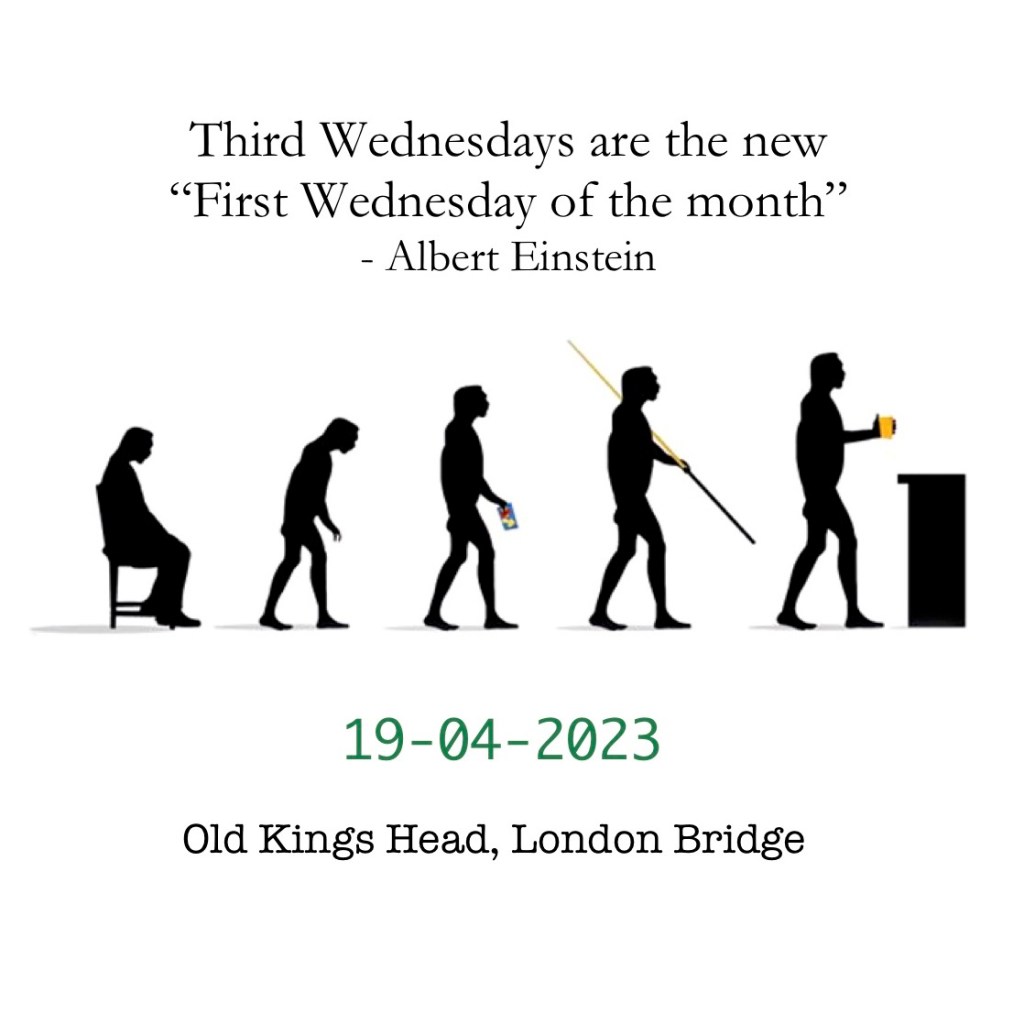
NB We used to meet on the first Wednesday of the month but PubSci is now on the third Wednesday.

image-third-wednesdays

Address:

The Old King’s Head (upstairs room)
King’s Head Yard
45-49 Borough High Street
London SE1 1NA
PubSci Returns: 19th April 2023 | Old King’s Head Pub

The rumours are true: PubSci is back!

Three years after the pandemic halted live events, PubSci returns to its familiar home near London Bridge for a cornucopia of science talks in the comfort of the Old King’s Head (OKH). 

On Wednesday 19th April PubSci presents our Restart Special: A Celebration of Science.

Four Speakers in One Night

The PubSci Restart Special will be an evening of entertaining short talks on fascinating science topics. Some will make you laugh. Some will make you think. Some might turn you to drink. After the main event, you’ll have time to catch up with old friends, space to make new friends, and the opportunity to chat with your kind of people over a drink or two.

Save the date now and look out for the full event announcement in early April.

The OKH has a well-stocked bar, a happy hour from 5-7pm (we start at 7), and a great range of pub grub. The landlord has kindly agreed to keep the kitchen open for us, so you can satisfy your physiological and intellectual appetites at the same time.

Third Wednesday of Every Month

Looking ahead, we have a constellation of fantastic speakers lined up, including some all-time PubSci favourites. Don’t forget, we’ve moved from the first Wednesday of the month to the third, so please put third Wednesdays in your diary, beginning with 19th April 2023.

I’ll be announcing the spring/summer programme at the Restart Special before posting it on our website. While there, you can subscribe to the PubSci calendar to be notified as events are scheduled. Don’t forget to join our email list to receive the full monthly update.

PubSci remains free to attend. We pass round a beer mug at each event on a pay-what-you-can basis to cover costs such as speakers’ expenses and AV equipment. 

See you on the 19th!

Richard


PS  You can follow us on social media too.

Twitter   Facebook   Youtube

Regretably, the upstairs room at the OKH is not wheelchair accessible.

• • •

What’s the future of PubSci Online?

Running PubSci via Zoom while we were unable to get together in person was a great experience, despite the additional costs. Creating a Virtual Pub with Real Science ™ allowed me to invite speakers from the USA, and gave us the chance to widen the PubSci community without geographical limits. We haven’t forgotten you!

Whilst PubSci is about in-person science communication at heart, returning to live events doesn’t mean the end of the wider PubSci community. The April event will be IRL only, but we hope to begin live-streaming later in the spring. Once live events are up-and running I will work on the logistics and set about finding volunteers to record and stream live talks. If you come to PubSci regularly and have experience with OBS, please get in touch!

If you’ve never been to PubSci, our YouTube channel has recordings of our online talks during lockdown


Image

Remember when PubSci used to meet in an actual pub…?

Tuesday 5th July | Story of the Higgs Boson Discovery | Live at Kings College London

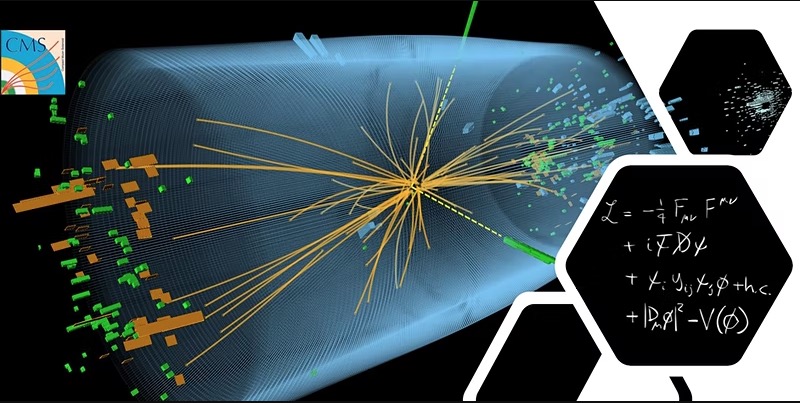
PubSci speaker and KCL physicist, Malcom Fairbairn, has drawn our attention to a free talk marking the 10th anniversary of the discovery of the Higgs boson. It’s right up our street and we’re very happy to invite the PubSci community in the London area to attend tomorrow, Tuesday 5th July 2022.


PubSci may not be meeting in person at the moment, but how could we not mark the 10th anniversary of such a momentous scientific discovery? We don’t normally use this channel for anything but PubSci’s own events and announcements but are making a singular exception for this exciting anniversary talk. 

Free tickets and full information on eventbriteRegister for your free ticket here

• • •

A talk by John Ellis, Kate Shaw, and Tevong You on the past, present, and future of the Higgs boson and particle physics

James Clerk Maxwell discovered the laws of electromagnetism in 1865 while at King’s College London (KCL). Almost a century later, Peter Higgs, a KCL alumnus, postulated the existence of a particle now known as the Higgs boson. It is one of the cornerstones of the Standard Model of particle physics, which describes successfully all the visible matter in the Universe. The Higgs boson was the last missing piece to be discovered, on July 4th 2012 by the ATLAS and CMS experiments using the Large Hadron Collider at CERN.

Join us for an evening of particle physics celebrating ten years since the Higgs boson discovery, where we will share the story leading up to this landmark achievement in the history of physics, review progress since the Higgs discovery, and look towards the future of our quest to understand the fundamental laws of the Universe.

Everyone is welcome to this public event!

[Due to unforeseen circumstances Kate Shaw will unfortunately be unable to participate]

screen-shot-2022-07-04-at-14.57.20

Programme:

  • 6:30pm – Introduction, Malcolm Fairbairn (Head of KCL Theoretical Particle Physics & Cosmology)
  • A historical perspective on the Higgs, John Ellis
  • The discovery of the Higgs, Kate Shaw
        • Where do we go from here, Tevong You
  • 7:30pm – Q&A
  • 8:30pm – End

 __

Register for your free ticket here


This is an external event organised by KJCL Physics. Any questions should be directed to the organiser as PubSci will not be able to answer queries. At the time of writing, we do not know whether the event will be streamed.


Hope to see you there!


Announcing the Return of PubSCi

Apologies for the radio silence – it’s been a peculiar year – but PubSci is back!

Following the same format as our Virtual PubSci in June 2020, we are pleased to announced the return of PubSci as a regular, live, online event (until we can meet again in a real pub).

Friday is the new Wednesday

As we now have a PubSci in New Zealand (run by former London PubSci-er, Hannah), we have scheduled our first few online events for Friday evenings so our friends in the antipodes can join us on a Saturday morning. This might vary in the future, depending on speaker availability. Events will be hosted live on Zoom and streamed on the PubSci YouTube channel, where they will remain for at least 28 days.


We are delighted to begin our new season on Friday 26th February with our good friend Paolo Viscardi, co-founder of PubSci and Curator of Zoology at the National Museum of Ireland, on Dismantling the Dead Zoo.

We continue the zoological theme on Friday 26th March with PubSci favourite Dr Erica McAlister, Senior Keeper of Diptera (flies) at London’s Natural History Museum and author of nonfiction bestsellers, The Secret Life of Flies and The Inside Out of Flies.


Scheduled start time is 7pm. You’ll need to register in advance to watch the Zoom events (to prevent Zoom-bombing) but anybody can watch the YouTube streams. Full event details will be published shortly on all the usual channels, where you will also find instructions on how to attend.

Thank you for your patience. It’s good to be back.

Richard and all at PubSci

Dr Yasemin J. Erden – Why Your Brain Is Not A Computer

PubSci is back after the January break, and we start our new season with a topic that is sure to get everyone talking.

On Wednesday 6th February we’re delighted to welcome Dr Yasemin J. Erden, Senior Lecturer in Philosophy at St Mary’s University, Twickenham, with interdisciplinary research interests. In this month’s talk, Yasemin tackles the popular belief that human brains are essentially “wet computers”.

img_1324

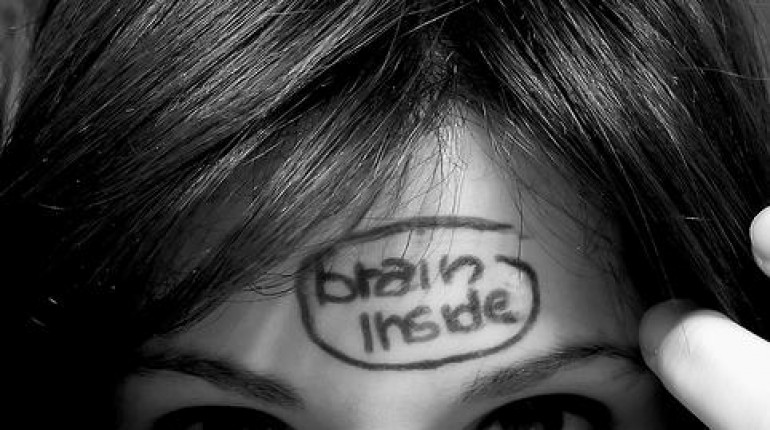
Intel-ligence Inside…? The brain has been likened to a binary computer since the dawn of the digital age – but are we right to do so? (Image courtesy of mporady.pl)

Dr Erden argues that the brain is not a computer, nor even much like one. Drawing on both philosophy and psychology, she demonstrates how metaphor can trick us, and language can seduce us into accepting mechanistic models of the brain. Join us for the first PubSci of 2019 to learn why paying attention to this kind of detail is central to understanding our meaning-centred, meaning-structured brains, and why purely mechanistic accounts inevitably fail.

We look forward to a wide-ranging discussion after her talk.

img_1325

Dr Yasemin J. Erden. (Image courtesy of SMU, Twickenham)

Yasemin is Senior Lecturer in Philosophy at St Mary’s University with interdisciplinary research interests from science and technology to philosophy of language, aesthetics, and ethics. She is Vice Chair of the Society for the Study of Artificial Intelligence and the Simulation of Behaviour (AISB) and a member on the Council of the Royal Institute of Philosophy. In her spare time she is unavoidably committed to watching too many disappointing football games.

Join us upstairs at the Old King’s Head, near London Bridge station. Doors open at 6.30pm for a 7pm start and as usual the event is free, but we will have a whip-round to cover speaker’s expenses

Dr Rebecca Nesbit – Honeybees or Hairworms?

On Wednesday 5th September we’re pleased to welcome Dr Rebecca Nesbit, who will be asking the question “Honeybees or Hairworms – which would you save?” to explore conservation priorities and the nature of “Natural”. Ecologist and writer Rebecca Nesbitt trained honeybees to detect explosives before starting a career in science communication. She currently works for Nobel Media, visiting universities around the world with Nobel Laureates. She published her first novel in 2014, and a popular science book ‘Is that Fish in your Tomato?’ in July 2017.

Rebecca Nesbit portrait photo small

‘Save the Honeybee’ stories are never far from the news, but is the species really under threat? Given that they are managed by beekeepers, should we see them as livestock not wildlife? Parasites such as the hairworm, on the other hand seldom attract attention – would they be a better use of conservation funds? This PubSci, Dr Rebecca Nesbit will examine how we set conservation priorities, and whether the arguments for protecting nature really stack up. Expect lively debate!

bees-18192_960_720

Join us upstairs at the Old King’s Head, near London Bridge station. Doors open at 6pm for a 7pm start and as usual the event is free, but we will have a whip-round to cover speaker’s expenses.

Katrina van Grouw – Unnatural Selection

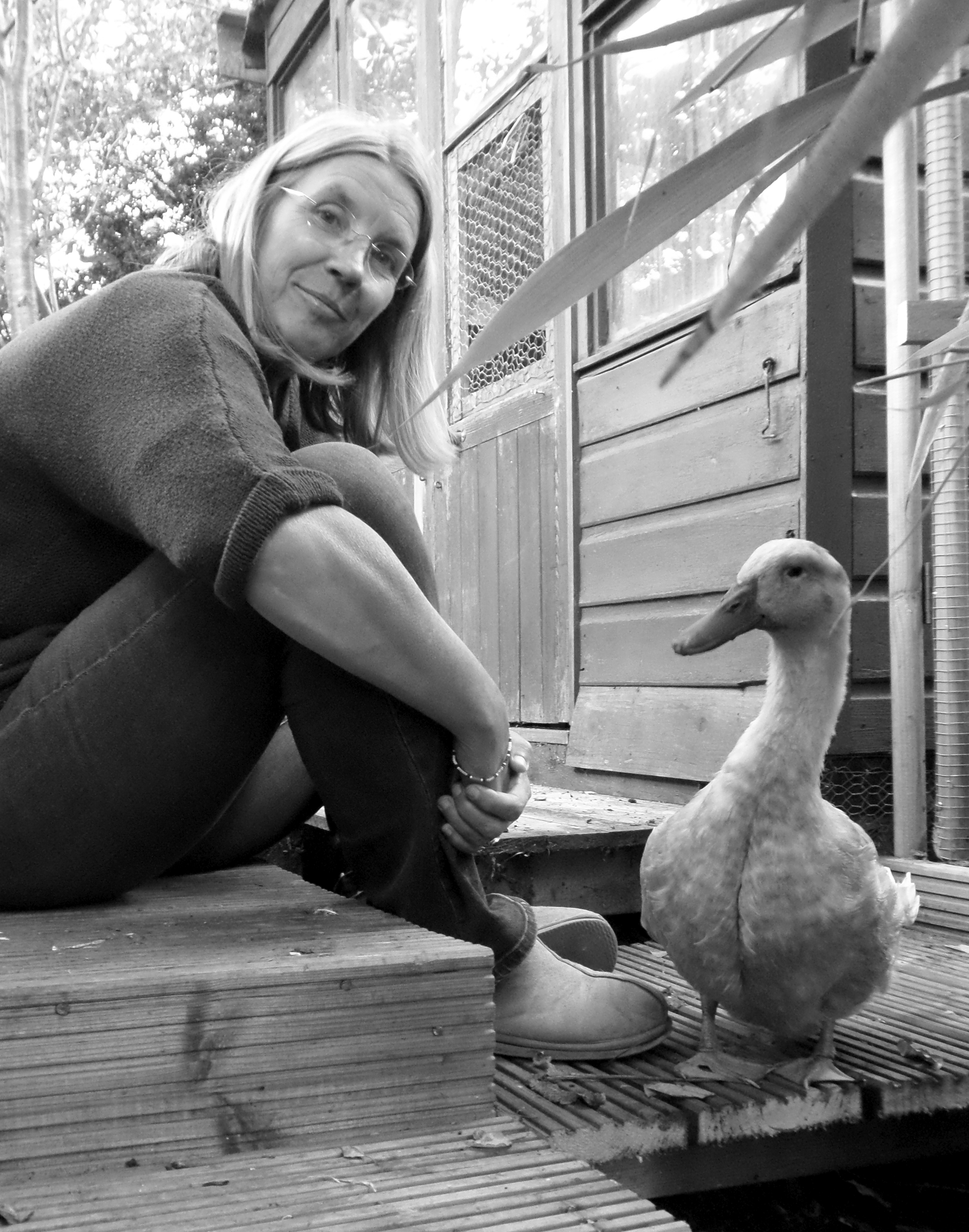
On Wednesday 4th July we’re delighted to welcome Katrina van Grouw back to PubSci, where she will be talking about Unnatural Selection: Evolution at the Hand of Man.SAMSUNG CAMERA PICTURES

Katrina is the author of The Unfeathered Bird – a beautiful book published by Princeton University Press, which she shared the trials and triumphs of producing with us a couple of years ago at a very enjoyable PubSci.

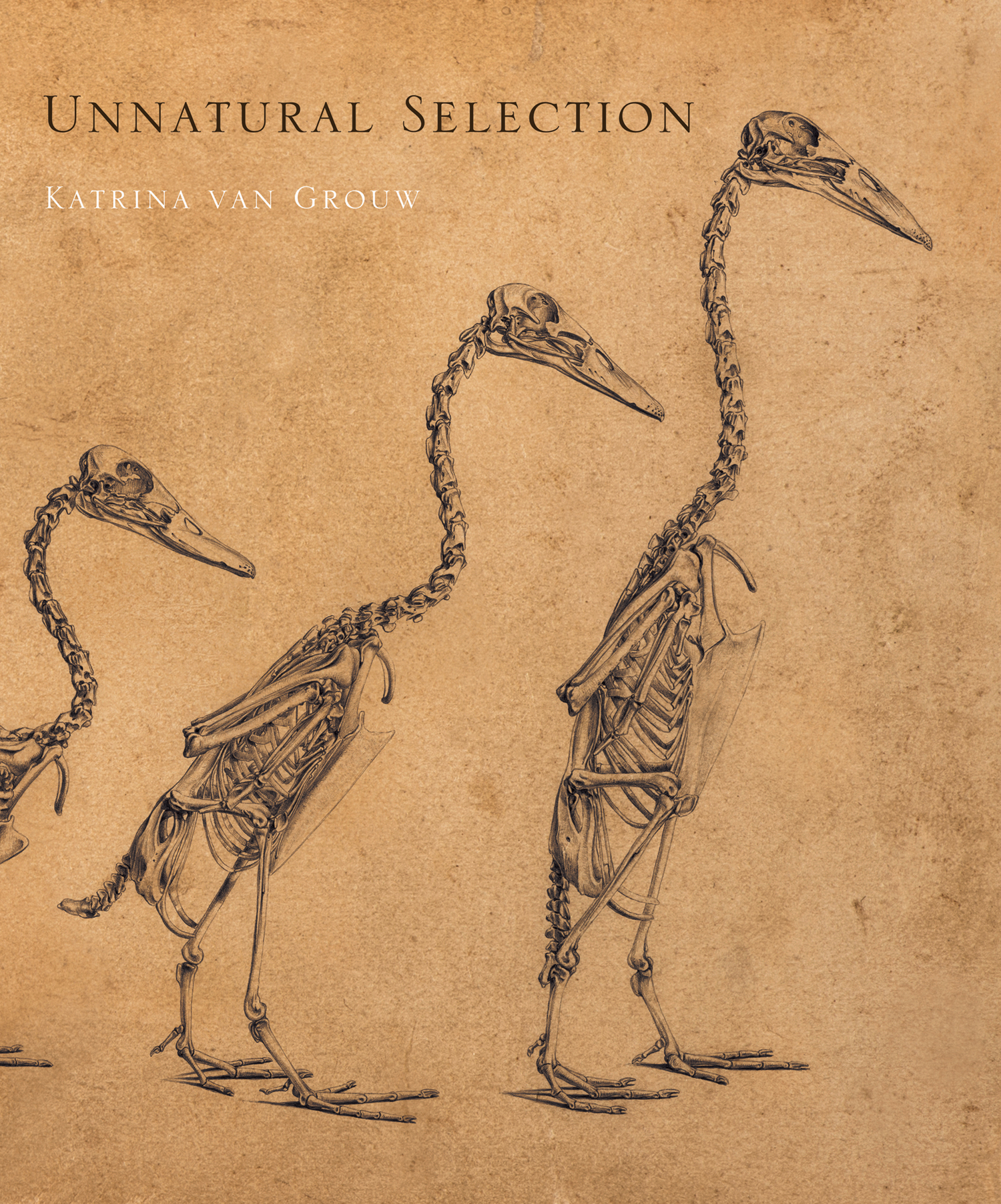
Katrina inhabits that no-man’s land slap bang between art and science. She holds degrees in fine art and natural history illustration, and is a former curator of ornithological collections at a major national museum. She’s a self-taught scientist with a passion for evolutionary biology and its history. After a long and varied career on both sides of the art/science divide she now devotes her time exclusively to her books which, for her, “tick all creative and intellectual boxes.” front cover design low resolutionAt the next PubSci Katrina will be talking about her new book, Unnatural Selection (also published by Princeton University Press), which marks the 150th anniversary year of the publication of Darwin’s great work on domesticated animals Variation under Domestication. When Charles Darwin contemplated how best to introduce his controversial new theory of evolution to the general public, he chose to compare it with the selective breeding of domesticated animals. Katrina will explain why this analogy was more appropriate than even Darwin had realised. Artificial selection is, in fact, more than just an analogy for natural selection – it’s the perfect example of evolution in action.
Join us upstairs at the Old King’s Head, near London Bridge station. Doors open at 6pm for a 7pm start and as usual the event is free, but we will have a whip-round to cover costs. Katrina will also be selling and signing books on the night. We hope to see you there!

Jack Ashby: The unnatural nature of natural history museums

On Wednesday 2nd May we’re excited to welcome author and zoologist Jack Ashby to PubSci, where he will be talking about the unnatural nature of natural history museums.

20171002_110202 - Edited

Natural history museums are magical places. They inspire awe and wonder in the natural world and help us understand our place within the animal kingdom. Behind the scenes, many of them are also undertaking world-changing science with their collections. Their specimens help us explore incredible evolutionary stories.

But they are places for people, made by people. We might like to consider them logical places, centred on facts, but they can’t tell all the facts – there isn’t room. Similarly, they can’t show all the animals. And there are reasons behind what goes on display and what gets left in the storeroom.

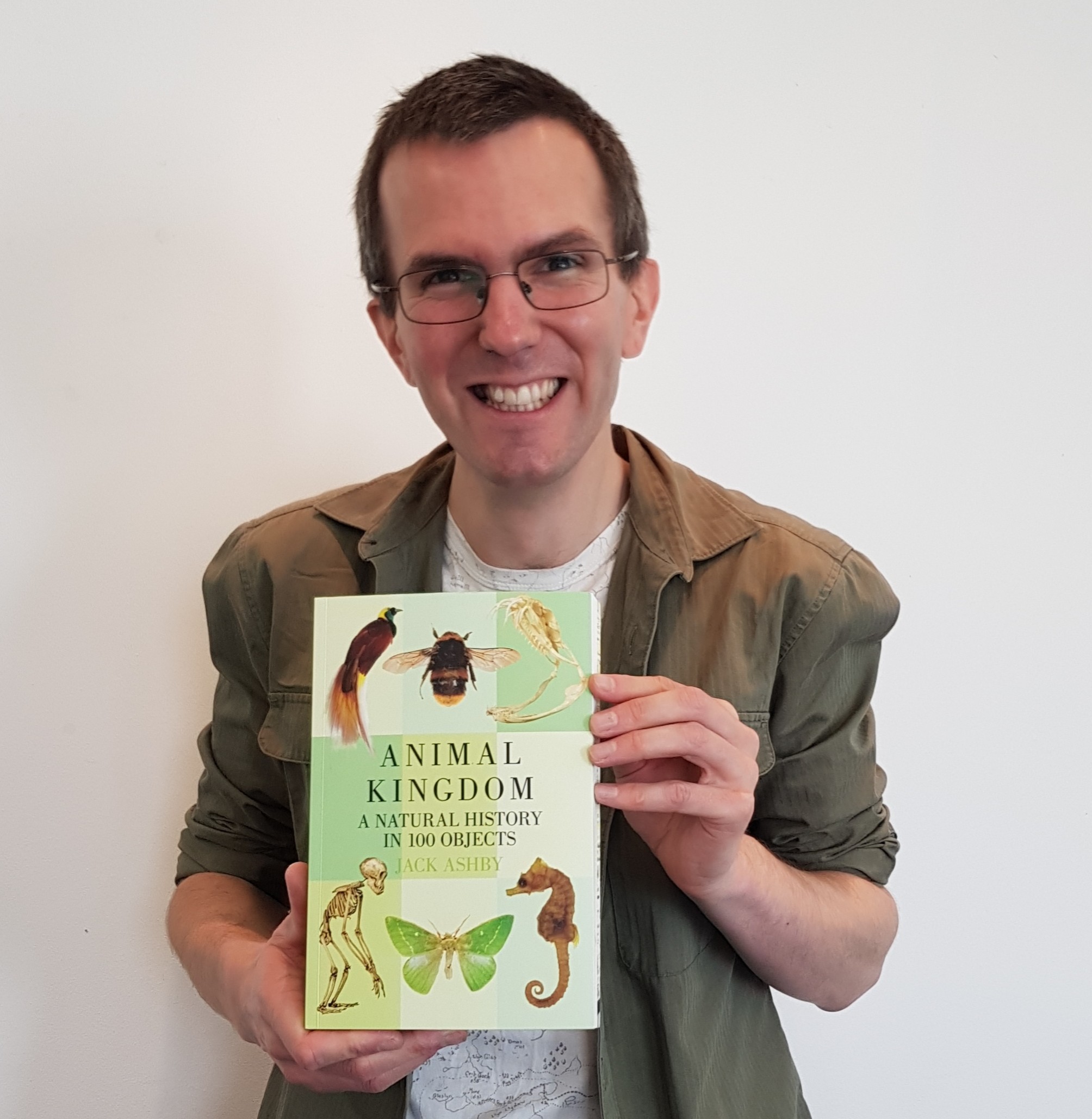
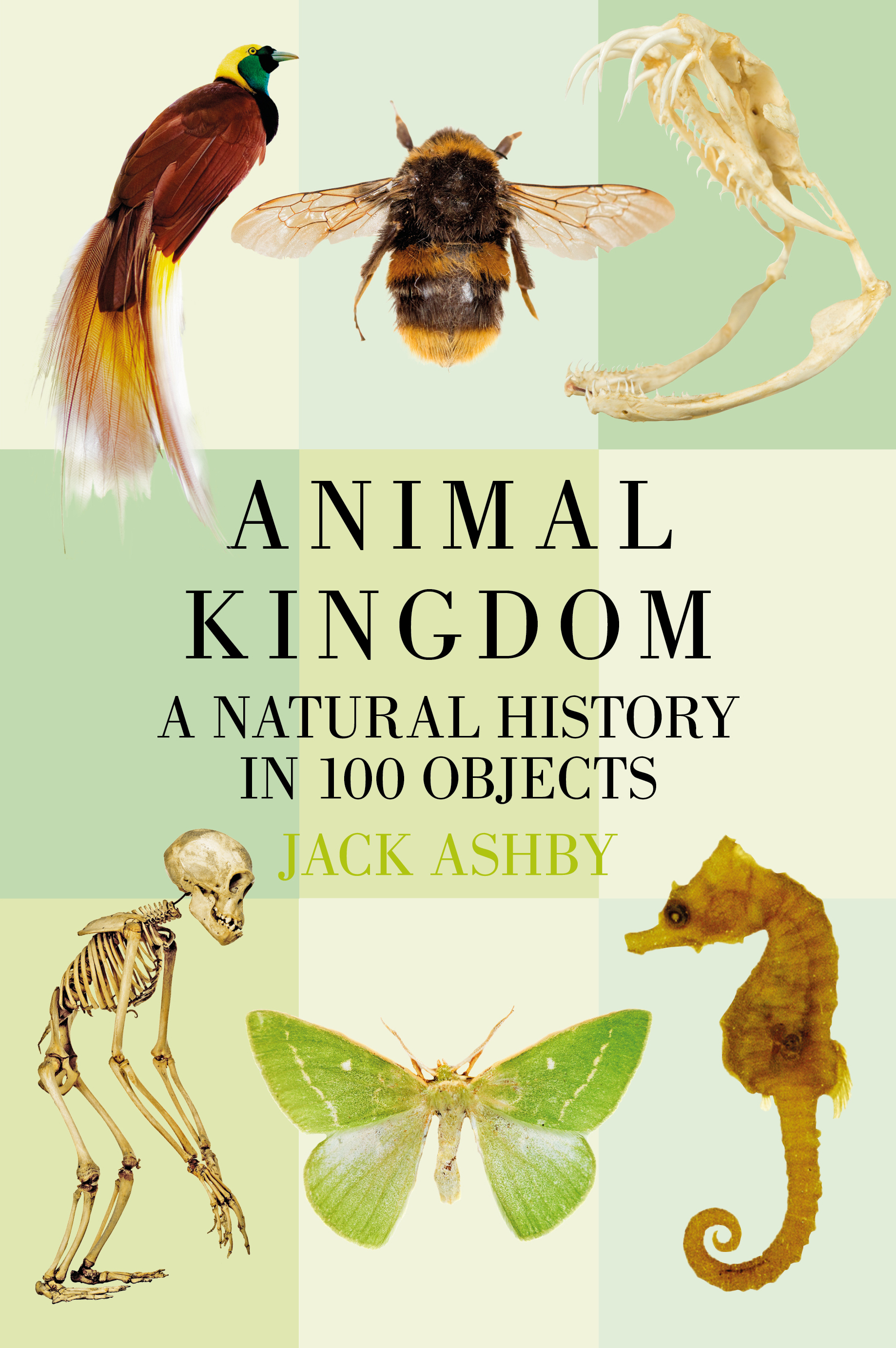
The biases that can be detected in how people talk about animals, particularly in museums, is one of the themes of Jack Ashby’s new book, Animal Kingdom: A Natural History in 100 Objects. Museums are a product of their own history, and that of the societies they are embedded in. They are not apolitical, and they are not entirely scientific. As such, they don’t really represent reality.

Animal Kingdom cover hi res

Jack is the Manager of the Grant Museum of Zoology at University College London. He is a trustee of the Natural Sciences Collections Association and the Society for the History of Natural History, and regularly writes and comments about the roles of natural history museums in science and society. His main zoological interest is in Australian mammals.

Join us upstairs at the Old King’s Head, near London Bridge station. Doors open at 6pm for a 7pm start and as usual the event is free, but we will have a whip-round to cover costs. Jack will also be signing and selling copies of his book if you want a copy (they’ll be going at £20). We hope to see you there!

Dr Snezana Lawrence – Mathematicians and their gods

On Wednesday 7th of March we’re excited to welcome Dr Snezana Lawrence, historian of maths at Anglia Ruskin university and guest lecturer on geometry at Gresham College and the RI.

Snezana helped reform the national curriculum for maths in 2013 and is a passionate maths educator. She’s currently researching geometry and dimensionality in popular visual culture and in 2015 co-authored “Mathematicians and their Gods” which explores the way mathematicians have been influenced by their religious belief.

mathematicians2band2btheir2bgods

She asks “what would happen if Maths were influenced by belief systems?” and explores interesting and slightly scary examples of how mathematics may (and sometimes does) interacted with faith and religion. Looking at dimensions and the nature of space and time, she’ll ask what mathematicians could teach us about the nature of reality, examine the blurred boundaries between maths and theology, and ask what we can learn from such instances.

Join us upstairs at the Old King’s Head, near London Bridge station. Doors open at 6pm for a 7pm start and as usual the event is free, but we will have a whip-round to cover costs – we hope to see you there!