Category Archives: Events

Typo, Type-o, Typewriters

Word has reached PubSci Towers that subscribers to the mailing list were sent a typo-ridden first draft on Monday night instead of a shiny, polished blog post at a more sensible time of day. Sincere apologies for that.

Nobody wants Aphabetti Spaghetti on their morning cornflakes, especially after a 4-day weekend.

If you head to the PubSci WordPress site you can read the corrected blog post in all its shiny glory, devoid of spelling mishaps but full of information about PubSci’s upcoming restart event on Wednesday 19th March.

Weds 19th April | PubSci Restart Event: A Celebration of Science | PubSci

Meanwhile the monkey responsible for typing and mailing that draft is sitting with his tail between his legs, reconsidering his infinite life choices.

Hope to see you on the 19th.

Richard

typing-monkeytyping-monkeytyping-monkeytyping-monkeytyping-monkeytyping-monkeytyping-monkeytyping-monkey

Weds 19th April | PubSci Restart Event: A Celebration of Science

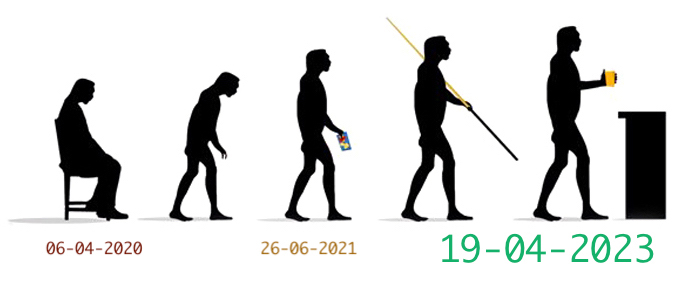
On Wednesday 19th April 2023 we’re enormously excited to be returning to in-person events, three years after we paused due to the pandemic. This will be a celebratory evening of science communication and socialising: Four different speakers on four different topics to make you laugh, cry, gasp, and ask “Just how close is the bar?”Announcement Banner

Please join us for an evening to remember:

  • Kate Viscardi considers standards and deviations in “How Long Is a Piece of String?
  • George Holdaway discusses “Islamic Art: The Quest for the Quasi Crystal”
  • Mike Lucibella asks “What’s the Deal with Antarctica?”
  • Richard Marshall presents “The Levitating Hamster and Other Definitely True Stories”

• • •

This event will be a social one as well as a SciCom one. In a change from the usual ~45-minute talk followed by questions, there will be more bar breaks and we’ve included extra time for catching up with friends old and new. Let’s celebrate getting together again!

 __

  • Kate Viscardi is a senior lecturer at LSBU and previously headed their Women in Engineering Centre.
  • George Holdaway is a polymath who tutors in STEM topics.
  • Mike Lucibella edited the newspaper of the US Antarctic Programme before joining UCL.
  • Richard Marshall has been programming and hosting PubSci since 2018.

Join us upstairs at the Old King’s Head, near London Bridge station (see below). Doors open at 6.30pm for a 7pm start. The Old King’s Head has a happy hour before 7pm to get you in the mood, and the kitchen serves excellent pub grub.

• • •

As usual the event is free, but we will have a whip-round to cover expenses. As so few of us carry cash now, you can contribute digitally too. This event will not be livestreamed.

We aim to keep PubSci accessible for all, although it is unsuitable for under 18s as we meet in the upper room of a pub. Regrettably, there is no wheelchair access. We tried very hard to find an accessible venue.

Please check our Future Events page where you can also subscribe to our iCal feed. The Spring/Summer talks programme will also be announced at this event. You can find all our links on our LinkTree.

__

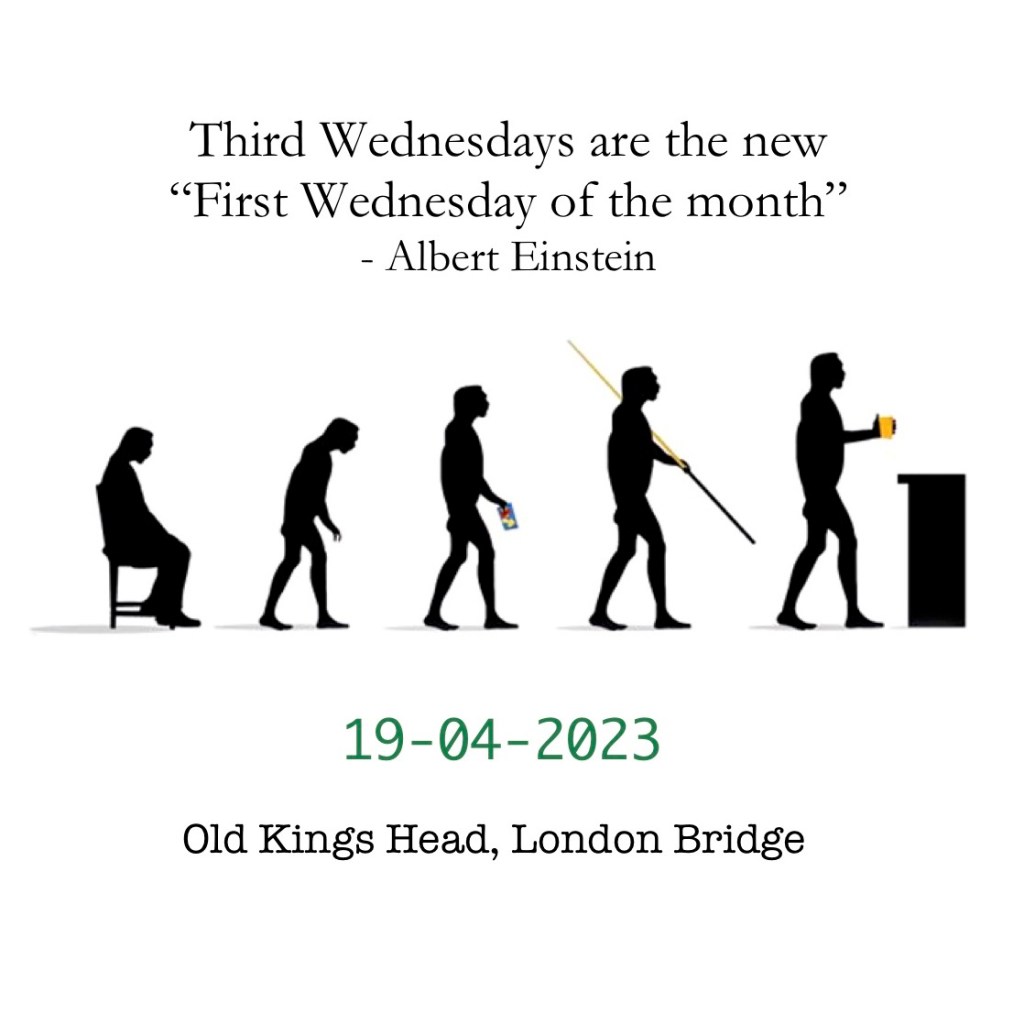
NB We used to meet on the first Wednesday of the month but PubSci is now on the third Wednesday.

image-third-wednesdays

Address:

The Old King’s Head (upstairs room)
King’s Head Yard
45-49 Borough High Street
London SE1 1NA

PubSci Returns: 19th April 2023 | Old King’s Head Pub

The rumours are true: PubSci is back!

Three years after the pandemic halted live events, PubSci returns to its familiar home near London Bridge for a cornucopia of science talks in the comfort of the Old King’s Head (OKH). 

On Wednesday 19th April PubSci presents our Restart Special: A Celebration of Science.

Four Speakers in One Night

The PubSci Restart Special will be an evening of entertaining short talks on fascinating science topics. Some will make you laugh. Some will make you think. Some might turn you to drink. After the main event, you’ll have time to catch up with old friends, space to make new friends, and the opportunity to chat with your kind of people over a drink or two.

Save the date now and look out for the full event announcement in early April.

The OKH has a well-stocked bar, a happy hour from 5-7pm (we start at 7), and a great range of pub grub. The landlord has kindly agreed to keep the kitchen open for us, so you can satisfy your physiological and intellectual appetites at the same time.

Third Wednesday of Every Month

Looking ahead, we have a constellation of fantastic speakers lined up, including some all-time PubSci favourites. Don’t forget, we’ve moved from the first Wednesday of the month to the third, so please put third Wednesdays in your diary, beginning with 19th April 2023.

I’ll be announcing the spring/summer programme at the Restart Special before posting it on our website. While there, you can subscribe to the PubSci calendar to be notified as events are scheduled. Don’t forget to join our email list to receive the full monthly update.

PubSci remains free to attend. We pass round a beer mug at each event on a pay-what-you-can basis to cover costs such as speakers’ expenses and AV equipment. 

See you on the 19th!

Richard


PS  You can follow us on social media too.

Twitter   Facebook   Youtube

Regretably, the upstairs room at the OKH is not wheelchair accessible.

• • •

What’s the future of PubSci Online?

Running PubSci via Zoom while we were unable to get together in person was a great experience, despite the additional costs. Creating a Virtual Pub with Real Science ™ allowed me to invite speakers from the USA, and gave us the chance to widen the PubSci community without geographical limits. We haven’t forgotten you!

Whilst PubSci is about in-person science communication at heart, returning to live events doesn’t mean the end of the wider PubSci community. The April event will be IRL only, but we hope to begin live-streaming later in the spring. Once live events are up-and running I will work on the logistics and set about finding volunteers to record and stream live talks. If you come to PubSci regularly and have experience with OBS, please get in touch!

If you’ve never been to PubSci, our YouTube channel has recordings of our online talks during lockdown


Image

Remember when PubSci used to meet in an actual pub…?

Tuesday 5th July | Story of the Higgs Boson Discovery | Live at Kings College London

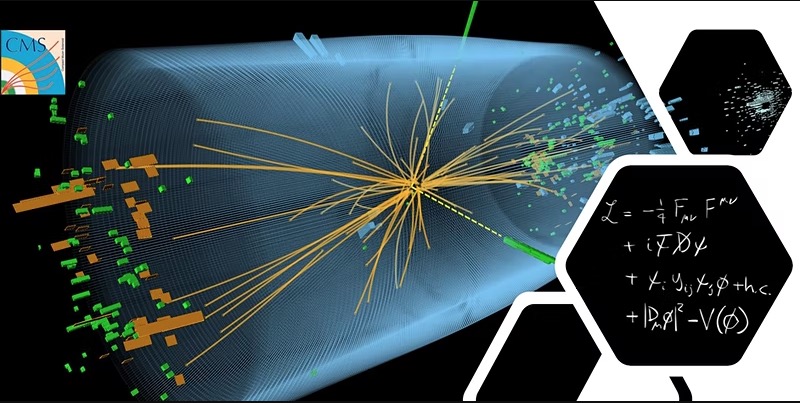
PubSci speaker and KCL physicist, Malcom Fairbairn, has drawn our attention to a free talk marking the 10th anniversary of the discovery of the Higgs boson. It’s right up our street and we’re very happy to invite the PubSci community in the London area to attend tomorrow, Tuesday 5th July 2022.


PubSci may not be meeting in person at the moment, but how could we not mark the 10th anniversary of such a momentous scientific discovery? We don’t normally use this channel for anything but PubSci’s own events and announcements but are making a singular exception for this exciting anniversary talk. 

Free tickets and full information on eventbriteRegister for your free ticket here

• • •

A talk by John Ellis, Kate Shaw, and Tevong You on the past, present, and future of the Higgs boson and particle physics

James Clerk Maxwell discovered the laws of electromagnetism in 1865 while at King’s College London (KCL). Almost a century later, Peter Higgs, a KCL alumnus, postulated the existence of a particle now known as the Higgs boson. It is one of the cornerstones of the Standard Model of particle physics, which describes successfully all the visible matter in the Universe. The Higgs boson was the last missing piece to be discovered, on July 4th 2012 by the ATLAS and CMS experiments using the Large Hadron Collider at CERN.

Join us for an evening of particle physics celebrating ten years since the Higgs boson discovery, where we will share the story leading up to this landmark achievement in the history of physics, review progress since the Higgs discovery, and look towards the future of our quest to understand the fundamental laws of the Universe.

Everyone is welcome to this public event!

[Due to unforeseen circumstances Kate Shaw will unfortunately be unable to participate]

screen-shot-2022-07-04-at-14.57.20

Programme:

  • 6:30pm – Introduction, Malcolm Fairbairn (Head of KCL Theoretical Particle Physics & Cosmology)
  • A historical perspective on the Higgs, John Ellis
  • The discovery of the Higgs, Kate Shaw
        • Where do we go from here, Tevong You
  • 7:30pm – Q&A
  • 8:30pm – End

 __

Register for your free ticket here


This is an external event organised by KJCL Physics. Any questions should be directed to the organiser as PubSci will not be able to answer queries. At the time of writing, we do not know whether the event will be streamed.


Hope to see you there!


Postponed: PubSci Online | Dr Anna Morgan: Toxins – Friends or Foes?

*** THIS EVENT HAS BEEN TEMPORARILY POSTPONED ***

On 7th July, PubSci is delighted to welcome Dr Anna Morgan, senior lecturer in Physiology and Pharmacology at Kingston University, for a talk titled Toxins – Friends or Foes?

Tickets are available now – booking and joining information follows the description below

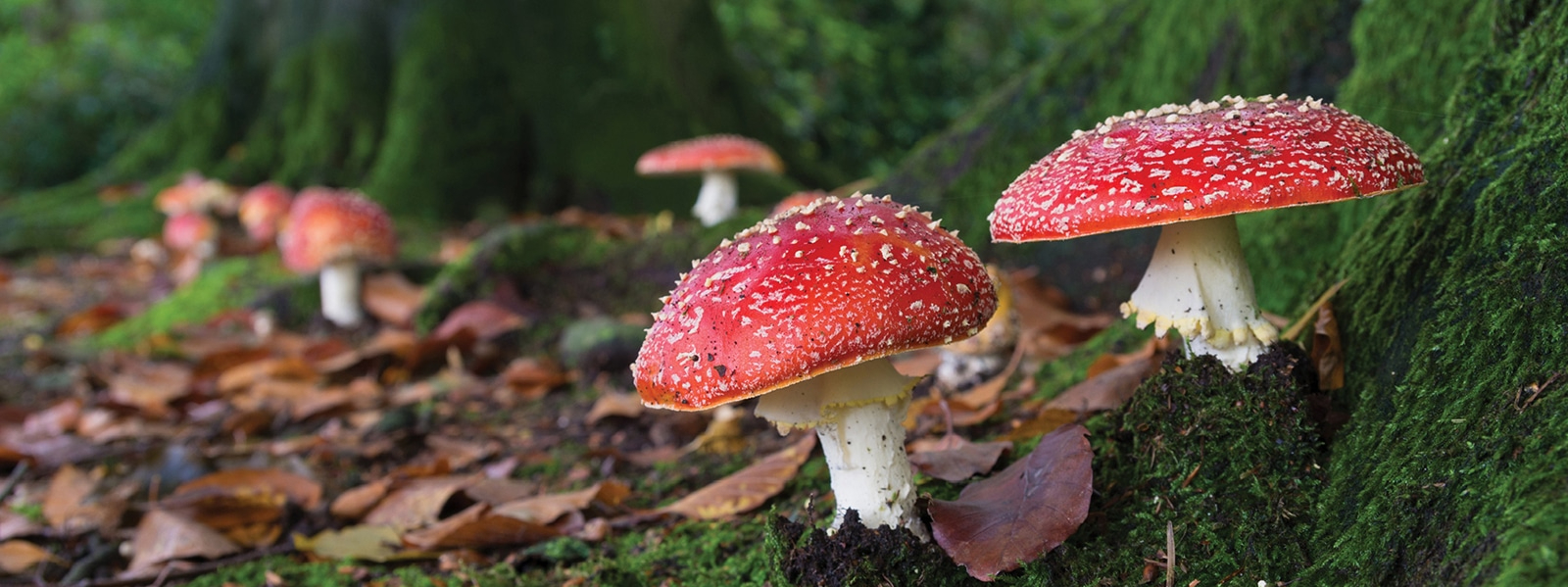
Fly Agaric

[Muscarine, produced by Fly Agaric mushrooms is a powerful medicinal drug]

Do you need to detox? For advertisers, editors and lifestyle gurus, declaring toxins A Bad Thing has proved to be very good business. Numerous products – from cleaning agents to diets, even shoe inserts – claim to protect and cleanse us from toxins.

But what do we mean by toxin? And, setting aside the billion-pound detox market’s advertising claims, are toxins truly to be avoided at all costs? Or, can we harness their mechanisms to improve our lives?

In this fascinating talk, Dr Morgan explores a diverse sample of toxic substances to help us gain a better understanding of their effects, both harmful and beneficial, as she unpicks the fundamental meaning of ‘toxicity’. 

[Event booking and joining information follows the description below]

• • •

Anna Morgan, Portrait mode

Dr Anna Morgan is a Senior Lecturer in Physiology and Pharmacology at Kingston University, London. Her background is in pharmacology of inflammation, with an interest in models of non-communicable diseases.

After completing her PhD in pharmacology at the Sackler Institute for Pulmonary Pharmacology at King’s College London, Dr Morgan was awarded the C. W. Maplethorpe Fellowship through the Institute of Pharmaceutical Science, also at King’s College where she researched toxicity as a postdoctoral fellow, specifically related to nanomaterials and drug delivery.

An interest in teaching and science communication eventually led to her current role as a Senior Lecturer in the Department of Chemical and Pharmaceutical Sciences at Kingston University, where she’s been part of the pharmacology teaching team since 2015.

Her research pursuits now centre around science education and teaching.

Anna is a member of the British Pharmacological Society and a Fellow of Advance HE.

 __

Viewing the talk: Virtual PubSci is hosted live online via Zoom. We also stream events live on our YouTube channel where they remain available for at least 28 days.

Like all our events, this talk is free to attend, but you will need to register with Eventbrite to access Zoom. We have included the option to donate a small amount when you register to help cover the cost of running PubSci, including Zoom and web hosting fees. Please consider using the Donation and Ticket option to help keep PubSci alive.

Ticket sales are already live. You’ll receive a confirmation email upon registering; the Zoom link is emailed on the day of the talk and available in the eventbrite online event page:

https://www.eventbrite.co.uk/e/virtual-pubsci-dr-anna-morgan-toxins-friend-or-foe-tickets-160184302561

More details on the event registration page


Important Note: We aim to make our events accessible to all. You don’t have to pay, and you don’t need to install Zoom – Zoom can be run in a browser and events are streamed on the PubSci YouTube channel. Anybody wishing to support PubSci in our science communication can choose to make a donation when registering with eventbrite or contribute to our PayPal money pool, which goes directly to keeping PubSci online.

Please check our Future Events page where you can also subscribe to our iCal feed and don’t forget to check out our downloadable PDF schedule, which includes confirmed speakers with dates TBC.

PubSci Online | Naomi Rowe-Gurney – They Might Be [Ice] Giants!

 (Solar System Science and the James Webb Space Telescope)

On Friday 28th May we’re delighted to welcome astrophysicist Naomi Rowe-Gurney, our fourth speaker of the 2021 programme, for a talk titled They Might be [Ice]Giants! 

Naomi will talk about Solar System Science, the James Webb Space Telescope, and the “ice giant “planets, Neptune and Uranus. [Tickets are available now – booking and joining information follows the description below]

Neptune Uranus_PA_and_NASA

Neptune and Uranus © NASA

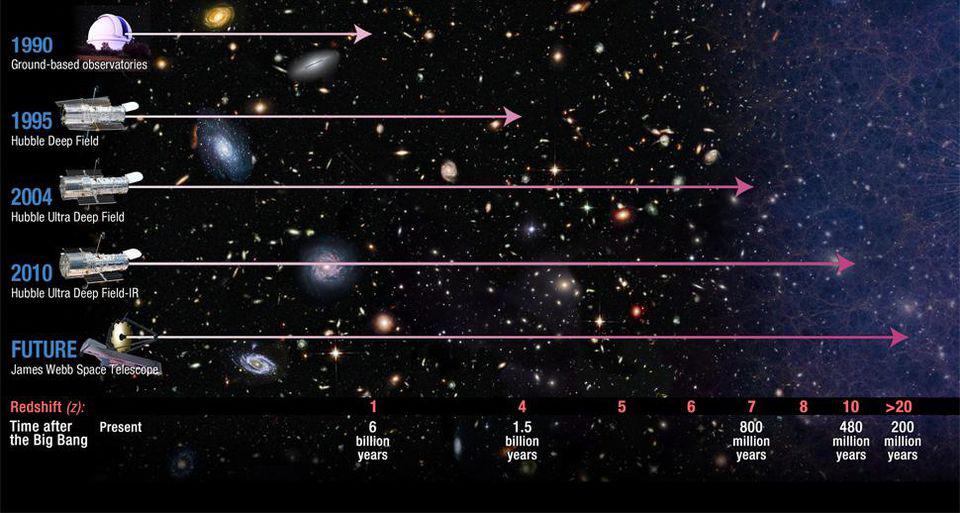
The James Webb Space Telescope is the scientific successor to the Hubble Space Telescope and is scheduled to be launched later this year.

Not many people realise that this huge infrared telescope – capable of seeing deeper into space and further back in time than anything before it – will be used to look at objects in our own solar-system with groundbreaking resolution, as well as probing the farthest reaches of the universe.

In her own research, Naomi looks at the ice giants with data from Spitzer Space Telescope, which has now been decommissioned. The JWST replaces Spitzer but has been much delayed. In her talk, Naomi will explain what the Webb is, why we need it, and will give the latest updates on its revised schedule. She will explain how it will help scientists look at our own solar-system.

From planetary atmospheres to Kuiper Belt Objects and Comets, Webb is equipped to observe them all. So, what is the Webb and what big science questions could it help to answer?

[Event booking and joining information follows the description below]

• • •

Naomi Rowe-Gurney

Naomi Rowe-Gurney

Naomi Rowe Gurney is completing a PhD at the University of Leicester, focusing on the atmospheres of the ice giants, Uranus and Neptune. She specialises in Planetary atmospheres, Spectral Inversion and Radiative Transfer. Her research uses data from the Spitzer Space Telescope to characterise the stratospheres of the two planets in preparation for the forthcoming launch of the James Webb Space Telescope (JWST).

Naomi is an active member of the JWST UK outreach community and, as a former teacher, she is a passionate communicator of astronomy and astrophysics, and an advocate for women in science.

In recent years she has worked with NASA and was featured on the BBC’s flagship astronomy programme, The Sky at Night.

 __

Viewing the talk: Virtual PubSci is hosted live online via Zoom. We also stream events live on our YouTube channel where they remain available for at least 28 days.

Like all our events, this talk is free to attend, but you will need to register with eventbrite to access Zoom. We have included the option to donate a small amount when you register to help cover web hosting fees etc.

Ticket sales go live at 12:05 on Friday 12th March. You’ll receive a confirmation email; the Zoom link is emailed on the day of the talk and available in the eventbrite online event page.

More details on the event registration page.


JWST


Important Note: We aim to make our events accessible to all. You don’t have to pay, and you don’t need to install Zoom – Zoom can be run in a browser and events are streamed on the PubSci YouTube channel. Anybody wishing to support PubSci in our science communication can choose to make a donation when registering with eventbrite or contribute to our PayPal money pool, which goes directly to keeping PubSci online.

Please check our Future Events page where you can also subscribe to our iCal feed and don’t forget to check out our downloadable PDF schedule, which includes confirmed speakers with dates TBC.

Space telescopes (Forbes)

Reminder: Book now for PubSci on Friday 30th April with Dr Brock Craft

Apologies for the extra email, but we’re aware that the previous PubSci email went out before tickets were available on eventbrite. Mea culpa!

So here’s a gentle reminder that tickets are available to book right now for the next PubSci online, Friday 30th April at 7pm BST.

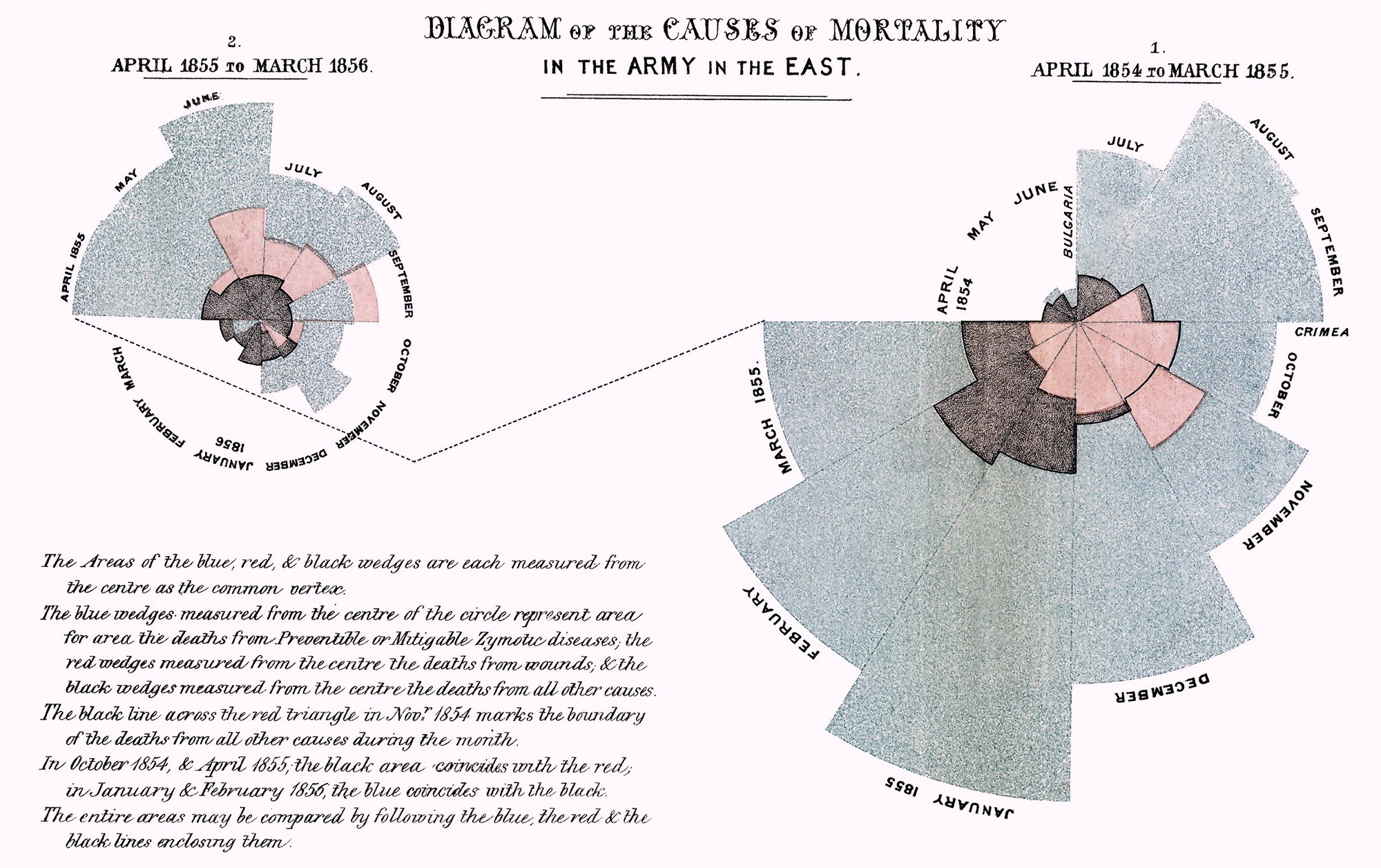
Forget about going to the actual pub – it will be cold and damp outside! Come to the virtual pub for some real science – like the vital lesson that NASA should have learnt from Florence Nightingale.

Follow the link for a fascinating look at the beautiful, terrible, powerful role of data visualisation in the modern world with Dr Brock Craft – it could literally save your life!

PubSci Online | Dr Brock Craft: Picture This – Why Data Visualisation Matters

On 28th Jan 1986 the space shuttle Challenger exploded shortly after lifting off from the Kennedy Space Center. Could better data visualisation have prevented this disaster? (AP Photo/Bruce Weaver, File)

PubSci Online | Dr Brock Craft: Picture This – Why Data Visualisation Matters

On 30th April, PubSci is delighted to welcome Dr Brock Craft, our third speaker of the 2021 programme, for a talk titled Picture This – Why Data Visualisation Matters in which Brock explains how data visualisation can be powerful, beautiful, and a matter of life and death.

space-shuttle-challenger

On 28th Jan 1986 the space shuttle Challenger exploded shortly after lifting off from the Kennedy Space Center. Could better data visualisation have prevented this disaster? (AP Photo/Bruce Weaver, File)

Talk Details

Data is all around us – now more than ever as we navigate a pandemic in daily charts, and we struggle urgently to weigh covid-19 fatalities against the lesser risk from vaccination. But data is more than tables of figures; how we present and visualise data can have literally life-or-death consequences for how we understand it, how we interpret it, and what patterns we discern in it.

Dr. Brock Craft is an Associate Teaching Professor in the Department of Human Centered Design & Engineering at the University of Washington. He specialises in Information Visualisation, Human-Computer Interaction, Physical Computing, and Learning Design.

In this talk he will demonstrate why data visualisation matters to everybody, how there is genuine beauty to be found in data, and how a simple data visualisation could have prevented the Challenger Space Shuttle Disaster.

• • •
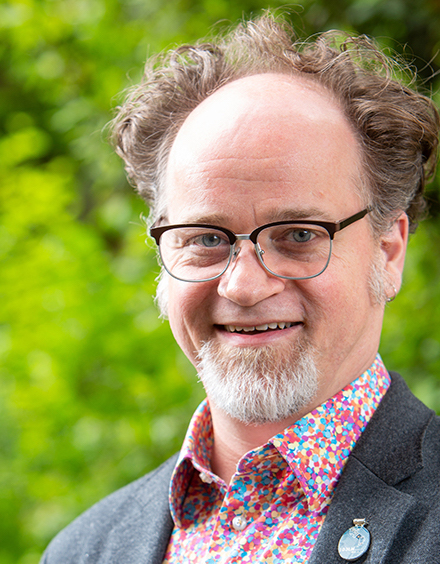
brock-caft-hcdeDr Craft has spent much of his career finding innovative ways to represent data in appealing, accessible, or aesthetically pleasing ways. Associate Professor at the University of Washington since 2015, Brock was previously Lecturer in Physical Computing, at Goldsmiths, University of London and programme founder/Senior Tutor on the MA in Information Experience Design at Royal College of Art, London.

He has a Master’s in Human-Computer Interaction (HCI) from DePaul University, Chicago, and a PhD in Data Visualisation from University College of London Interaction Centre (UCLIC)

In 2007 Brock helped form Tinker London, a design consultancy focused on creating products that bridge the digital and the physical worlds. As a partner at Tinker, Brock designed products and experiences for high-profile clients including Sony, Nokia, The Evening Standard and the BBC, often using data visualisation techniques to create appealing visual representations.

Bridging his industry work with teaching and learning, Brock served as a research fellow at the London Knowledge Lab, where he focused on Learning Design, tools for pedagogy design, technology-enhanced learning, and interactive learning objects. “I have been investigating how people interact with technology and working to make it better for my entire career.”

Brock is the author of Arduino Projects for Dummies (2013) and co-author of Raspberry Pi Projects for Dummies (2015), both published by John Wiley & Sons

He is also creator of the Brockenspiel – a musical instrument that turns bar codes and magnetic swipe cards into music played on tubular bells, as featured on the BBC.
3_nightingale-mortality

Florence Nightingale’s famous Rose (or “Wedge”) Diagram of the Causes of Mortality in the Army of the East”

 __

Viewing the talk: Virtual PubSci is hosted live online via Zoom. We also stream events live on our YouTube channel where they remain available for at least 28 days.

Like all our events, this talk is free to attend, but you will need to register with Eventbrite to access Zoom. We have included the option to donate a small amount when you register to help cover web hosting fees etc.

Ticket sales go live at noon on Saturday 10th April. You’ll receive a confirmation email; the Zoom link is emailed on the day of the talk and available in the eventbrite online event page at the event start time.

More details on the event registration page.


Important Note: We aim to make our events accessible to all. You don’t have to pay, and you don’t need to install Zoom – Zoom can be run in a browser and events are streamed on the PubSci YouTube channel. Anybody wishing to support PubSci in our science communication can choose to make a donation when registering with eventbrite or contribute to our PayPal money pool, which goes directly to keeping PubSci online.

Please check our Future Events page where you can also subscribe to our iCal feed and don’t forget to check out our downloadable PDF schedule, which includes confirmed speakers with dates TBC.

PubSci Online | Dr Erica McAlister – The Inside Out of Flies

On Friday 26th March we’re delighted to welcome back Dr Erica McAlister, senior curator of Diptera in the Department of Entomology at London’s Natural History Museum,  with The Inside Out of Flies

In this talk, Erica looks at the astonishing mechanics of fly anatomy, revealing the engineering embodied in each species of fly and discovering some of the fascinating implications flies hold for human technology, from hearing aids to biomimetics.

Along the way expect flies without wings, flies with rotating genitalia and tales of the terrible hairy fly as she uncovers science lessons in the form and function of the humble fly. This is a talk not to be missed.

• • •

Erica McAlister describes herself simply as somebody who “studies flies, talks flies, shows off about flies” – something of an understatement, perhaps,  for the country’s foremost communicator of fly science.

me-and-pig

Who you gonna call? Not a ghostbuster, but our speaker, Erica McAlister with a giant pooter and a pig.

A passionate communicator of her topic, Erica is especially keen on encouraging young people to enter the field and frequently give talks to schools. As senior curator of Diptera in the Department of Entomology at London’s Natural History Museum, Erica is renowned for her extensive knowledge of the subject and the enthusiasm and humour with which she presents it.

She is a regular guest on BBC Radio 4, appearing on The Natural History Programme, The Living World, Who’s the Pest?, The Museum of Curiosity , and Natural History Heroes in which she championed the entomologist George Verrall. On TV she has featured in The Museum of Life and Springwatch 2017.

In April 2019, Erica was Jim Al-Khalili’s guest on Radio 4’s The Life Scientific and in March 2021 Erica presented a week of lunchtime programmes on Radio 4 called Metamorphosis – How Insects Transformed Our World, currently available on iPlayer and BBC Sounds. Earlier this month, Erica gave the annual Verrall Lecture of the Royal Entomological Society, appropriately titled ‘A Fascination of Flies’.

Erica is the author of two acclaimed books published in association with the Natural History Museum: The Secret Life of Flies (2017) and The Inside Out of Flies (2020)

Colourful fly eyes

 __

Viewing the talk: Virtual PubSci is hosted live online via Zoom. We also stream events live on our YouTube channel where they remain available for at least 28 days.

Like all our events, this talk is free to attend, but you will need to register with Eventbrite to access Zoom. We have included the option to donate a small amount when you register to help cover web hosting fees etc.

Ticket sales go live at 12:05 on Friday 12th March. You’ll receive a confirmation email; the Zoom link is emailed on the day of the talk and available in the eventbrite online event page.

More details on the event registration page.


Important Note: We aim to make our events accessible to all. You don’t have to pay, and you don’t need to install Zoom – Zoom can be run in a browser and events are streamed on the PubSci YouTube channel. Anybody wishing to support PubSci in our science communication can choose to make a donation when registering with eventbrite or contribute to our PayPal money pool, which goes directly to keeping PubSci online.

Please check our Future Events page where you can also subscribe to our iCal feed.